
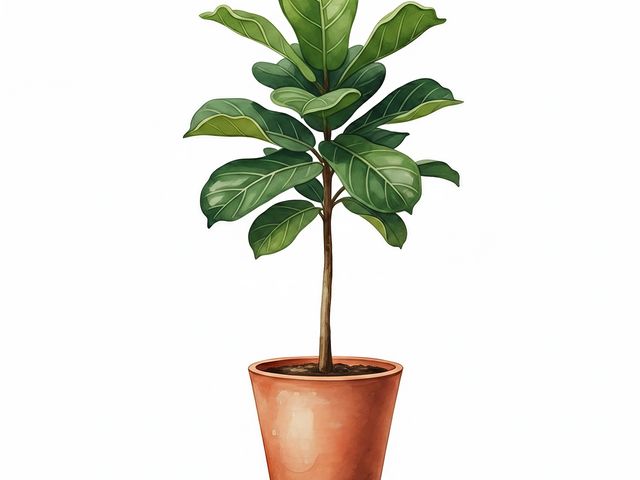
general-houseplant-care
Evidence-based care guide for General-Houseplant-Care (). Covers disease treatment, pest control, propagation methods, watering and lighting. Our analysis draws from 10 verified community cases with an average confidence score of 88%. Each protocol is synthesized from real rescue outcomes, not generic advice.
Care Essentials
Get to Know Your General-Houseplant-Care
Keep an eye out for pests — regular leaf inspections catch problems early.
Light
medium to bright indirect
Tolerates lower light but grows best in medium to bright indirect light. Can get leggy without enough light.
💡 Grow lights: Thrives under artificial grow lights (LED or fluorescent, 10-12 hours/day). A great option if your space lacks natural light.
Watering
every 7-10 days
Water when the top 1-2 inches of soil feel dry. Adjust with the seasons — less in winter, more in summer.
Humidity & Temperature
Appreciates some humidity but adapts to average home conditions. Brown tips in winter? Your air might be too dry — a light misting helps.
Standard room temperature (60-80°F / 15-27°C) is perfect. Avoid cold drafts and sudden temperature swings.
Soil
Needs well-draining soil — add perlite or orchid bark to a standard potting mix. Good drainage is critical to prevent root rot.
Care Requirements
At a Glance
Care Profile in Development
While our detailed care profile is being compiled, you can find specific care guidance in the 2 care-related diagnoses below — including watering schedules, light requirements, and propagation methods from real-world cases.
Start Here
Most Common Problems
Based on 10 analyzed cases — these are the issues you're most likely to encounter
Don't see your symptom? Search all 10 topics below, or run the Diagnostic.
How often should I water my General-Houseplant-Care?
Improper watering causes 90% of indoor plant failures — both overwatering (root...
How do I propagate my General-Houseplant-Care?
Propagation failure typically results from improper moisture, temperature, or...
How much light does my General-Houseplant-Care need?
Insufficient light causes etiolation (spindly growth), chlorosis (yellowing),...
General-Houseplant-Care: Root Rot
Root rot is caused by waterlogged soil creating anaerobic conditions that favor...
Does my General-Houseplant-Care need more humidity?
Low humidity (below 40% RH) causes leaf tip burn, crispy edges, bud drop, and...
Which of the 7 Killers
is threatening your plants?
We use Plant Grail problem records — root rot, mites, light, humidity — to rank which failures show up most. Answer 5 questions and we'll tell you which ones match your setup.
Skip the quiz — get The 7 Killers course ($19) →Question 1 of 5
How do you decide when to water your plants?
Question 2 of 5
Where do most of your plants live?
Question 3 of 5
What's your home environment like?
Question 4 of 5
Have you lost a plant in the last 6 months?
Question 5 of 5
How often do you check your plants for pests?
Your diagnosis is ready
We've identified your top 2 risk killers. Enter your email to see the full breakdown and your personalized rescue protocol.
Your plants are most at risk from:

The 7 Killers mini-course covers mechanism, rescue protocol, and prevention for the failure classes that show up most in Grail. 7 lessons. $19.
Get The 7 Killers — $19 →Get the Plant Mortality Checklist
Root rot is the largest named failure class in Plant Grail. Free PDF of the failure map and what to check first.
Your checklist is ready!
We also sent it to your inbox. Check your email for the full download.
Open the ChecklistFree. No spam. Unsubscribe anytime.
Verified Data
All Diagnoses
10 topics consolidated from 10 documented cases. Expand any topic to see all protocols.
Diseases (1 topics · 1 cases)
General-Houseplant-Care: Root Rot
Root rot is caused by waterlogged soil creating anaerobic conditions that favor Pythium, Phytophthora, and Rhizoctonia fungi
89%
General-Houseplant-Care: Root Rot
Root rot is caused by waterlogged soil creating anaerobic conditions that favor Pythium, Phytophthora, and Rhizoctonia fungi
Cause
Root rot is caused by waterlogged soil creating anaerobic conditions that favor Pythium, Phytophthora, and Rhizoctonia fungi. Roots suffocate, die, and decompose, unable to absorb water or nutrients. The plant then shows drought stress symptoms even though soil is wet.
Solutions
- Diagnose by removing plant from pot — healthy roots are white/tan and firm; rotted roots are brown/black and mushy
- Trim all soft, brown, or black roots with sterile scissors, cutting 1 inch above damaged area
- Dust cut surfaces with sulfur powder or activated charcoal to prevent fungal spread
- Repot in fresh sterile potting mix and clean pot with 10% bleach solution
- Use well-draining soil mix: 2 parts potting soil, 1 part perlite, 1 part coarse sand
- Water sparingly after repotting — wait 1 week before first watering, then water only when top 2 inches are dry
- Position in bright indirect light to encourage new root growth
Prevention
Never let pots sit in standing water. Ensure drainage holes are clear. Use pots 1-2 inches larger than root ball. Water only when top 2 inches of soil are dry. Avoid using saucers filled with water for extended periods.
Pests (4 topics · 4 cases)
Why does my General-Houseplant-Care have aphids?
Aphids (greenfly, blackfly) are sap-sucking insects that cluster on new growth and leaf undersides
86%
Why does my General-Houseplant-Care have aphids?
Aphids (greenfly, blackfly) are sap-sucking insects that cluster on new growth and leaf undersides
Cause
Aphids (greenfly, blackfly) are sap-sucking insects that cluster on new growth and leaf undersides. They pierce plant tissue with needle-like mouthparts, injecting saliva and extracting phloem sugars, causing leaf curling, yellowing, stunted growth, and honeydew deposits that attract sooty mold.
Solutions
- Inspect new growth and leaf undersides weekly — aphids hide in growing tips and stem joints
- Blast off aphids with strong water spray from hose attachment or sink sprayer
- Wipe affected areas with cotton swab dipped in rubbing alcohol (70% isopropyl)
- Apply insecticidal soap or neem oil spray, covering all surfaces especially undersides of leaves
- For severe infestations, use systemic insecticide (imidacloprid or dinotefuran) as drench or granules
- Isolate affected plants immediately — aphids spread by crawling and can be carried on hands and clothing
- Repeat treatment every 5-7 days for 3-4 weeks to catch hatching nymphs
- Control ant colonies nearby — ants protect aphids for honeydew, actively farming them
Prevention
Quarantine all new plants for 2 weeks before introducing to collection. Inspect plants before purchase. Encourage beneficial insects if windows are screened. Remove yellow leaves that attract aphids.
Why does my General-Houseplant-Care have mealybugs?
Mealybugs are white, cottony aphids (Planococcus spp
85%
Why does my General-Houseplant-Care have mealybugs?
Mealybugs are white, cottony aphids (Planococcus spp
Cause
Mealybugs are white, cottony aphids (Planococcus spp.) that secrete waxy filaments for protection. They cluster in leaf axils, stem joints, and root zones, sucking sap and excreting honeydew. Unlike aphids, they form protective wax coatings that repel contact sprays, making them exceptionally difficult to eradicate.
Solutions
- Dip a small paintbrush in rubbing alcohol (70% isopropyl) and dab each bug individually — alcohol dissolves the waxy coating
- Spray plant with insecticidal soap, ensuring coverage into all crevices and leaf axils
- For severe infestations, apply neem oil spray or systemic insecticide containing imidacloprid
- If root mealybugs are present, remove plant, shake off soil, dip roots in alcohol solution, repot in fresh sterile mix
- Repeat treatment every 7-10 days for 4-6 weeks — eggs hatch in 1-2 weeks and are protected by wax filaments
- Isolate infested plants immediately — mealybugs spread through contact and can travel on hands during watering
Prevention
Quarantine new plants 2-3 weeks. Inspect leaf joints and root zones during repotting. Maintain plant vigor with proper watering and fertilization — stressed plants are more susceptible. Clean leaves regularly to remove honeydew deposits.
General-Houseplant-Care: Red Spider Mite
Spider mites (Tetranychus urticae) are tiny (0
86%
General-Houseplant-Care: Red Spider Mite
Spider mites (Tetranychus urticae) are tiny (0
Cause
Spider mites (Tetranychus urticae) are tiny (0.5mm) arachnids that thrive in hot, dry conditions. They pierce leaf cells with needle-like mouthparts, causing stippling, yellowing, and fine webbing. Rapid reproduction (egg to adult in 5-7 days) means infestations can explode within weeks, especially in heated indoor environments.
Solutions
- Identify mites with 10x hand lens — look for pale yellow or red globular mites on leaf undersides
- Blast plants with strong water spray to knock mites off and destroy webbing
- Increase humidity and lower temperature — mites despise moisture; mist plants daily and run humidifier
- Apply neem oil spray or insecticidal soap every 3-5 days, covering leaf undersides thoroughly
- For persistent infestations, use miticide (abamectin, bifenthrin) following label instructions
- Remove heavily infested leaves and dispose in sealed bag — do not put in compost
- Continue treatment for 2-3 weeks after visual confirmation that mites are eliminated
Prevention
Maintain 50%+ humidity — spider mites cannot reproduce in moist conditions. Inspect plants weekly during winter heating season when indoor air is driest. Quarantine new plants. Isolate any plant showing stippling symptoms immediately.
Why does my General-Houseplant-Care have scale insects?
Scale insects (Coccoidea family) are immobile pests that attach to stems and leaves, forming protective waxy shells (1-3mm)
84%
Why does my General-Houseplant-Care have scale insects?
Scale insects (Coccoidea family) are immobile pests that attach to stems and leaves, forming protective waxy shells (1-3mm)
Cause
Scale insects (Coccoidea family) are immobile pests that attach to stems and leaves, forming protective waxy shells (1-3mm). Underneath these shields, they suck plant sap causing yellowing, leaf drop, and sooty mold. Heavy infestations can kill plants within months.
Solutions
- Scrape scales off manually with fingernail, soft toothbrush, or cotton swab dipped in rubbing alcohol
- Apply insecticidal soap or horticultural oil spray, thoroughly covering all surfaces including leaf undersides
- For armored scales, use systemic insecticide (dinotefuran or imidacloprid) which penetrates plant tissues
- Spray with neem oil solution weekly for 4-6 weeks to disrupt scale development
- Remove heavily infested stems or leaves and dispose in sealed bag — do not compost
- Monitor for 8-12 weeks after treatment as eggs under scales can hatch and restart infestation
- Check neighboring plants and treat preventively if scales were present
Prevention
Inspect new plants carefully before purchase, especially leaf undersides and stem joints. Quarantine new acquisitions 2-3 weeks. Maintain plant vigor through proper care — weak plants attract scale. Clean leaves monthly to spot early infestations.
Watering Issues (1 topics · 1 cases)
How often should I water my General-Houseplant-Care?
Improper watering causes 90% of indoor plant failures — both overwatering (root rot from anaerobic conditions) and underwatering (root death, wilting) are preventable with proper technique
92%
How often should I water my General-Houseplant-Care?
Improper watering causes 90% of indoor plant failures — both overwatering (root rot from anaerobic conditions) and underwatering (root death, wilting) are preventable with proper technique
Cause
Improper watering causes 90% of indoor plant failures — both overwatering (root rot from anaerobic conditions) and underwatering (root death, wilting) are preventable with proper technique. Plants in pots cannot self-regulate moisture like plants in ground soil.
Solutions
- Test soil moisture daily using finger test — insert finger 1 inch into soil; if dry, water thoroughly until drainage appears in saucer
- Use tepid water (room temperature 20-22C) — cold water shocks roots and causes leaf drop in sensitive species
- Water until drainage appears in saucer, then empty saucer after 20 minutes to prevent root sitting in water
- Adjust frequency seasonally: summer 2-3x/week, winter 1x/week or less depending on room temperature
- Group plants by water needs — succulents/cacti separate from tropical foliage plants
Prevention
Water only when top 1-2 inches of soil are dry. Use pots with drainage holes. Never let plants stand in water-filled saucers for more than 30 minutes.
Environment (1 topics · 1 cases)
Does my General-Houseplant-Care need more humidity?
Low humidity (below 40% RH) causes leaf tip burn, crispy edges, bud drop, and increased pest susceptibility
88%
Does my General-Houseplant-Care need more humidity?
Low humidity (below 40% RH) causes leaf tip burn, crispy edges, bud drop, and increased pest susceptibility
Cause
Low humidity (below 40% RH) causes leaf tip burn, crispy edges, bud drop, and increased pest susceptibility. Tropical plants especially suffer in centrally heated/air-conditioned homes where atmospheric moisture is artificially removed.
Solutions
- Group plants together — clustered plants create a microclimate with 10-15% higher humidity through collective transpiration
- Use humidity trays: place pots on pebbles in a tray filled with water (pot sits on pebbles, not in water)
- Mist foliage daily with room-temperature water using fine-nozzle spray bottle
- Run a room humidifier to maintain 50-70% RH for tropical plants
- Place plants in naturally humid rooms: bathroom, kitchen, or laundry room (if light is adequate)
- Avoid placing plants near heating/cooling vents or radiators which create dry air currents
- In winter when heating runs, increase humidity efforts as indoor RH can drop to 20-30%
Prevention
Maintain 50-70% humidity for tropical plants; 40-50% for succulents and cacti. Use hygrometer to monitor. Increase humidity before symptoms appear — brown leaf tips indicate chronic low humidity stress.
Propagation (1 topics · 1 cases)
How do I propagate my General-Houseplant-Care?
Propagation failure typically results from improper moisture, temperature, or rooting medium conditions
91%
How do I propagate my General-Houseplant-Care?
Propagation failure typically results from improper moisture, temperature, or rooting medium conditions
Cause
Propagation failure typically results from improper moisture, temperature, or rooting medium conditions. Cuttings lack roots to absorb water, so excessive transpiration causes wilting death before roots form. Insufficient warmth slows or prevents root initiation entirely.
Solutions
- Select healthy parent plant — take cuttings from firm, disease-free stems with 3-6 leaves
- Cut below a leaf node (where aerial roots emerge) using sharp sterile scissors
- Remove bottom 2-3 leaves to reduce water loss through transpiration
- Apply rooting hormone powder containing IBA (indole-3-butyric acid) to cut end before inserting in medium
- Use sterile rooting medium: perlite, vermiculite, or peat-based mix — not garden soil
- Maintain 65-75F (18-24C) ambient temperature — warmth stimulates root cell division
- Keep medium moist but not saturated; cover with plastic bag to maintain 80%+ humidity
- Expect rooting in 2-4 weeks for tropical plants; slower for woody or dormant species
Prevention
Take cuttings in spring or early summer during active growth. Use fresh sterile medium for each batch. Avoid direct sun during rooting. Do not tug cuttings to check roots — movement damages developing rootlets.
Other Topics (2 topics · 2 cases)
How much light does my General-Houseplant-Care need?
Insufficient light causes etiolation (spindly growth), chlorosis (yellowing), and failure to bloom in flowering houseplants
90%
How much light does my General-Houseplant-Care need?
Insufficient light causes etiolation (spindly growth), chlorosis (yellowing), and failure to bloom in flowering houseplants
Cause
Insufficient light causes etiolation (spindly growth), chlorosis (yellowing), and failure to bloom in flowering houseplants. Plants need light for photosynthesis — without adequate photon exposure, carbohydrate production drops, weakening the plant.
Solutions
- Assess light levels: high light (south windows) = 6+ hours direct sun; medium light (east/west) = bright indirect; low light (north windows) = minimal direct sun
- Move plants closer to windows — light intensity drops 50% just 3 feet from a window
- Use reflective surfaces (white walls, mirrors) to increase light distribution by 10-20%
- Supplement with fluorescent grow lights: position 6-12 inches above plants, run 12-16 hours daily
- Rotate plants 90 degrees weekly to ensure even growth and prevent one-sided development
- Recognize low-light symptoms: leggy stems, small pale leaves, no new growth, reaching toward light source
Prevention
Match plant to location: flowering plants need high light; foliage plants tolerate medium-low light. Most houseplants prefer bright indirect light. Rotate plants weekly for even exposure.
General-Houseplant-Care: Pot Bound
Plants become pot-bound when roots circle the interior of the pot, forming a dense mass that cannot absorb water or nutrients effectively
87%
General-Houseplant-Care: Pot Bound
Plants become pot-bound when roots circle the interior of the pot, forming a dense mass that cannot absorb water or nutrients effectively
Cause
Plants become pot-bound when roots circle the interior of the pot, forming a dense mass that cannot absorb water or nutrients effectively. Growth slows, wilting occurs shortly after watering, and roots may emerge from drainage holes. This typically happens 1-3 years after potting depending on plant growth rate.
Solutions
- Check for pot-binding annually by sliding plant out of pot — roots visible on soil surface or circling pot interior indicate need to repot
- Select new pot 1-2 inches larger in diameter — excess soil holds moisture and causes root rot
- Water plant 1-2 days before repotting to help root ball hold together
- Slide plant out, gently loosen outer roots with fingers, and trim any that are dead or circling
- Add fresh potting mix to new pot — use well-draining blend (2 parts peat, 1 part perlite, 1 part sand)
- Position plant at same depth as before; top of root ball should be 1 inch below pot rim
- Water thoroughly after repotting and place in shade for 1-2 weeks to recover
Prevention
Repot every 2-3 years for fast-growing plants, every 3-5 years for slow growers. Use pot feet to elevate containers for better drainage. Do not overpot — moving a small plant into a large pot causes soil moisture problems.
Common Questions
Frequently Asked Questions
Why does my general-houseplant-care have Improper-watering?
Cause: Improper watering causes 90% of indoor plant failures — both overwatering (root rot from anaerobic conditions) and underwatering (root death, wilting) are preventable with proper technique. Plants in pots cannot self-regulate moisture like plants in ground soil.
Solution: Test soil moisture daily using finger test — insert finger 1 inch into soil; if dry, water thoroughly until drainage appears in saucer
Prevention: Water only when top 1-2 inches of soil are dry. Use pots with drainage holes. Never let plants stand in water-filled saucers for more than 30 minutes.
92% confidence · View full protocol →
Why does my general-houseplant-care have Propagation-failure?
Cause: Propagation failure typically results from improper moisture, temperature, or rooting medium conditions. Cuttings lack roots to absorb water, so excessive transpiration causes wilting death before roots form. Insufficient warmth slows or prevents root initiation entirely.
Solution: Select healthy parent plant — take cuttings from firm, disease-free stems with 3-6 leaves
Prevention: Take cuttings in spring or early summer during active growth. Use fresh sterile medium for each batch. Avoid direct sun during rooting. Do not tug cuttings to check roots — movement damages developing rootlets.
91% confidence · View full protocol →
Why does my general-houseplant-care have Insufficient-light?
Cause: Insufficient light causes etiolation (spindly growth), chlorosis (yellowing), and failure to bloom in flowering houseplants. Plants need light for photosynthesis — without adequate photon exposure, carbohydrate production drops, weakening the plant.
Solution: Assess light levels: high light (south windows) = 6+ hours direct sun; medium light (east/west) = bright indirect; low light (north windows) = minimal direct sun
Prevention: Match plant to location: flowering plants need high light; foliage plants tolerate medium-low light. Most houseplants prefer bright indirect light. Rotate plants weekly for even exposure.
90% confidence · View full protocol →
Why does my general-houseplant-care have Root-rot?
Cause: Root rot is caused by waterlogged soil creating anaerobic conditions that favor Pythium, Phytophthora, and Rhizoctonia fungi. Roots suffocate, die, and decompose, unable to absorb water or nutrients. The plant then shows drought stress symptoms even though soil is wet.
Solution: Diagnose by removing plant from pot — healthy roots are white/tan and firm; rotted roots are brown/black and mushy
Prevention: Never let pots sit in standing water. Ensure drainage holes are clear. Use pots 1-2 inches larger than root ball. Water only when top 2 inches of soil are dry. Avoid using saucers filled with water for extended periods.
89% confidence · View full protocol →
Why does my general-houseplant-care have Low-humidity?
Cause: Low humidity (below 40% RH) causes leaf tip burn, crispy edges, bud drop, and increased pest susceptibility. Tropical plants especially suffer in centrally heated/air-conditioned homes where atmospheric moisture is artificially removed.
Solution: Group plants together — clustered plants create a microclimate with 10-15% higher humidity through collective transpiration
Prevention: Maintain 50-70% humidity for tropical plants; 40-50% for succulents and cacti. Use hygrometer to monitor. Increase humidity before symptoms appear — brown leaf tips indicate chronic low humidity stress.
88% confidence · View full protocol →
Common Questions
Frequently Asked About General-Houseplant-Care
What problems can General-Houseplant-Care get?
Our database contains 10 documented General-Houseplant-Care cases covering 10 distinct topics, including diseases, pest identification, environmental stress, propagation, and advanced care protocols — each with verified solutions.
Structured Learning
Ready to Go Deeper?
Explore our Mastery Packs for structured, video-based learning with step-by-step protocols from 20,000+ analyzed plant cases.
Browse All Courses →