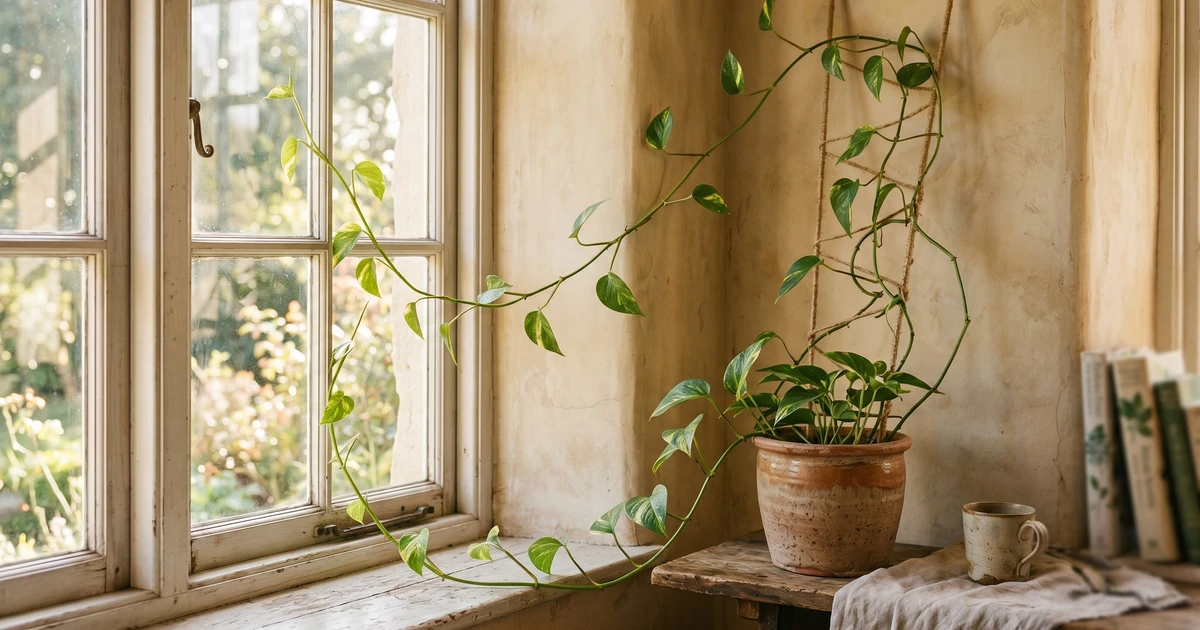
grow lights
Evidence-based care guide for Grow Lights (). Covers lighting. Our analysis draws from 3 verified community cases with an average confidence score of 72%. Each protocol is synthesized from real rescue outcomes, not generic advice.
Care Essentials
Get to Know Your Grow Lights
Light is everything for this plant. Get the placement right and everything else falls into place.
Light
medium to bright indirect
Tolerates lower light but grows best in medium to bright indirect light. Can get leggy without enough light.
💡 Grow lights: Thrives under artificial grow lights (LED or fluorescent, 10-12 hours/day). A great option if your space lacks natural light.
Watering
every 7-10 days
Water when the top 1-2 inches of soil feel dry. Adjust with the seasons — less in winter, more in summer.
Humidity & Temperature
Not fussy about humidity. Handles average indoor conditions without issue.
Standard room temperature (60-80°F / 15-27°C) is perfect. Avoid cold drafts and sudden temperature swings.
Soil
Standard well-draining potting mix works well. Add perlite for extra drainage if you tend to overwater.
Care Requirements
At a Glance
Care Profile in Development
While our detailed care profile is being compiled, you can find specific care guidance in the 3 care-related diagnoses below — including watering schedules, light requirements, and propagation methods from real-world cases.
Start Here
Most Common Problems
Based on 3 analyzed cases — these are the issues you're most likely to encounter
Don't see your symptom? Search all 3 topics below, or run the Diagnostic.
How much light does my Grow Lights need?
Grow lights are artificial light sources that supplement or replace natural...
How much light does my Grow Lights need?
LED grow lights emit concentrated light in specific wavelengths that trigger...
How much light does my Grow Lights need?
PPFD (Photosynthetic Photon Flux Density) measures the number of...
Which of the 7 Killers
is threatening your plants?
We use Plant Grail problem records — root rot, mites, light, humidity — to rank which failures show up most. Answer 5 questions and we'll tell you which ones match your setup.
Skip the quiz — get The 7 Killers course ($19) →Question 1 of 5
How do you decide when to water your plants?
Question 2 of 5
Where do most of your plants live?
Question 3 of 5
What's your home environment like?
Question 4 of 5
Have you lost a plant in the last 6 months?
Question 5 of 5
How often do you check your plants for pests?
Your diagnosis is ready
We've identified your top 2 risk killers. Enter your email to see the full breakdown and your personalized rescue protocol.
Your plants are most at risk from:

The 7 Killers mini-course covers mechanism, rescue protocol, and prevention for the failure classes that show up most in Grail. 7 lessons. $19.
Get The 7 Killers — $19 →Get the Plant Mortality Checklist
Root rot is the largest named failure class in Plant Grail. Free PDF of the failure map and what to check first.
Your checklist is ready!
We also sent it to your inbox. Check your email for the full download.
Open the ChecklistFree. No spam. Unsubscribe anytime.
Verified Data
All Diagnoses
3 topics consolidated from 3 documented cases. Expand any topic to see all protocols.
Other Topics (3 topics · 3 cases)
How much light does my Grow Lights need?
PPFD (Photosynthetic Photon Flux Density) measures the number of photosynthetically active photons falling on a surface per square meter per second (μmol/m²/s)
70%
How much light does my Grow Lights need?
PPFD (Photosynthetic Photon Flux Density) measures the number of photosynthetically active photons falling on a surface per square meter per second (μmol/m²/s)
Cause
PPFD (Photosynthetic Photon Flux Density) measures the number of photosynthetically active photons falling on a surface per square meter per second (μmol/m²/s). Most houseplants require 100-300 μmol/m²/s for low-light species, 300-600 for medium-light, and 600-1000+ for high-light plants. Without measuring PPFD, growers rely on vague rules like '12 inches from the light' that ignore fixture output variance and plant-specific requirements.
Solutions
- Purchase a quantum par meter ($50-200) to measure actual PPFD at plant canopy
- Consult species-specific PPFD requirements: low-light (pothos, snake plant) need 50-150 μmol/m²/s
- Medium-light plants (monstera, philodendron) thrive at 150-300 μmol/m²/s
- Position grow lights until PPFD measurements match target ranges for your plant type
- Track DLI (daily light integral) by multiplying average PPFD by photoperiod hours and converting units
Prevention
Invest in a PAR meter or PPFD app to measure actual light reaching your plants; target 10-20 mol/m²/day DLI for most houseplants; adjust fixture height based on measured PPFD, not guesswork.
How much light does my Grow Lights need?
Grow lights are artificial light sources that supplement or replace natural sunlight for plant photosynthesis
75%
How much light does my Grow Lights need?
Grow lights are artificial light sources that supplement or replace natural sunlight for plant photosynthesis
Cause
Grow lights are artificial light sources that supplement or replace natural sunlight for plant photosynthesis. Plants require photosynthetically active radiation (PAR) in the 400-700nm wavelength range, with blue light (400-500nm) driving vegetative leaf growth and red light (600-700nm) controlling flowering, stem elongation, and fruiting. Standard indoor lighting lacks adequate PAR intensity and proper spectral balance for healthy plant growth.
Solutions
- Select LED grow lights for energy efficiency and customizable red/blue spectrum ratios
- Use 6500K daylight spectrum bulbs for vegetative growth phases
- Add 3000K warm-spectrum bulbs when transitioning to flowering
- Install timers to automate light schedules and prevent accidental overexposure
- Monitor plant response: stretching indicates insufficient light; bleached leaves indicate too close placement
Prevention
Choose grow lights with full spectrum (400-700nm) coverage; position lights at manufacturer-recommended distances (typically 12-24 inches for LEDs); use timers to maintain consistent 12-18 hour photoperiods matching natural daylight hours.
How much light does my Grow Lights need?
LED grow lights emit concentrated light in specific wavelengths that trigger distinct plant photoreceptor responses: cryptochromes and phototropins (blue light receptors) regulate leaf expansion, stomatal opening, and circadian rhythms; phytochromes (red/far-red receptors) control seed germination, stem elongation, and flowering timing
72%
How much light does my Grow Lights need?
LED grow lights emit concentrated light in specific wavelengths that trigger distinct plant photoreceptor responses: cryptochromes and phototropins (blue light receptors) regulate leaf expansion, stomatal opening, and circadian rhythms; phytochromes (red/far-red receptors) control seed germination, stem elongation, and flowering timing
Cause
LED grow lights emit concentrated light in specific wavelengths that trigger distinct plant photoreceptor responses: cryptochromes and phototropins (blue light receptors) regulate leaf expansion, stomatal opening, and circadian rhythms; phytochromes (red/far-red receptors) control seed germination, stem elongation, and flowering timing. An imbalance in these wavelengths — such as excess far-red causing leggy growth — directly alters plant morphology and health.
Solutions
- Use 4000K-5000K LEDs for all-purpose growth with balanced blue:red ratios
- Add supplemental 660nm red LEDs for enhanced flowering and fruiting
- Include 730nm far-red for stem elongation control in shade-seeking plants
- Avoid pure red/blue 'blurple' LEDs — they cause abnormal morphology and eye strain
- Consider UV-B supplementation (280-315nm) for enhanced secondary metabolite production in herbs
Prevention
Select LED fixtures with balanced red:blue ratios (typically 3:1 to 5:1 for flowering, 1:1 for vegetative); avoid 'blurple'grow lights with excessive purple output; look for full-spectrum designs covering 380-780nm including small amounts of UV and far-red.
Further Reading
Related Articles
Common Questions
Frequently Asked Questions
Why does my grow lights have Light requirements?
Cause: Grow lights are artificial light sources that supplement or replace natural sunlight for plant photosynthesis. Plants require photosynthetically active radiation (PAR) in the 400-700nm wavelength range, with blue light (400-500nm) driving vegetative leaf growth and red light (600-700nm) controlling flowering, stem elongation, and fruiting. Standard indoor lighting lacks adequate PAR intensity and proper spectral balance for healthy plant growth.
Solution: Select LED grow lights for energy efficiency and customizable red/blue spectrum ratios
Prevention: Choose grow lights with full spectrum (400-700nm) coverage; position lights at manufacturer-recommended distances (typically 12-24 inches for LEDs); use timers to maintain consistent 12-18 hour photoperiods matching natural daylight hours.
75% confidence · View full protocol →
Why does my grow lights have Light spectrum optimization?
Cause: LED grow lights emit concentrated light in specific wavelengths that trigger distinct plant photoreceptor responses: cryptochromes and phototropins (blue light receptors) regulate leaf expansion, stomatal opening, and circadian rhythms; phytochromes (red/far-red receptors) control seed germination, stem elongation, and flowering timing. An imbalance in these wavelengths — such as excess far-red causing leggy growth — directly alters plant morphology and health.
Solution: Use 4000K-5000K LEDs for all-purpose growth with balanced blue:red ratios
Prevention: Select LED fixtures with balanced red:blue ratios (typically 3:1 to 5:1 for flowering, 1:1 for vegetative); avoid 'blurple'grow lights with excessive purple output; look for full-spectrum designs covering 380-780nm including small amounts of UV and far-red.
72% confidence · View full protocol →
Why does my grow lights have Light measurement?
Cause: PPFD (Photosynthetic Photon Flux Density) measures the number of photosynthetically active photons falling on a surface per square meter per second (μmol/m²/s). Most houseplants require 100-300 μmol/m²/s for low-light species, 300-600 for medium-light, and 600-1000+ for high-light plants. Without measuring PPFD, growers rely on vague rules like '12 inches from the light' that ignore fixture output variance and plant-specific requirements.
Solution: Purchase a quantum par meter ($50-200) to measure actual PPFD at plant canopy
Prevention: Invest in a PAR meter or PPFD app to measure actual light reaching your plants; target 10-20 mol/m²/day DLI for most houseplants; adjust fixture height based on measured PPFD, not guesswork.
70% confidence · View full protocol →
Common Questions
Frequently Asked About Grow Lights
What problems can Grow Lights get?
Our database contains 3 documented Grow Lights cases covering 3 distinct topics, including diseases, pest identification, environmental stress, propagation, and advanced care protocols — each with verified solutions.
Structured Learning
Ready to Go Deeper?
Explore our Mastery Packs for structured, video-based learning with step-by-step protocols from 20,000+ analyzed plant cases.
Browse All Courses →