
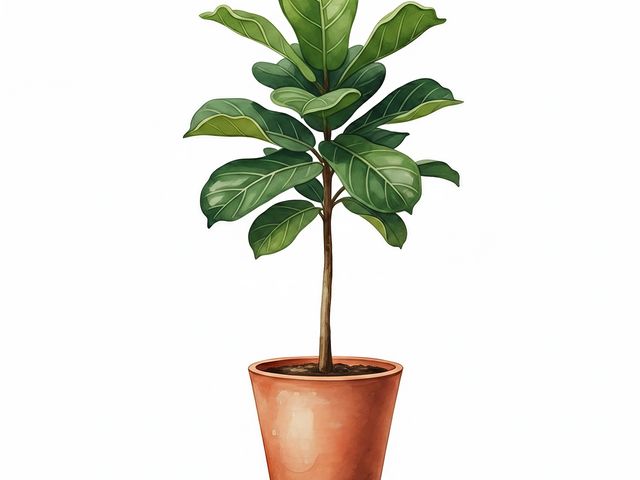
houseplant
Evidence-based care guide for Houseplant (). Covers disease treatment, symptom diagnosis, pest control, propagation methods, watering and lighting. Our analysis draws from 25 verified community cases with an average confidence score of 82%. Each protocol is synthesized from real rescue outcomes, not generic advice.
Care Essentials
Get to Know Your Houseplant
The #1 killer? Overwatering. Let the soil dry between waterings and your Houseplant will thrive.
Light
bright indirect
Wants bright, indirect light — sensitive to both extremes. Too much direct sun causes burns, too little causes stretching.
💡 Grow lights: Thrives under artificial grow lights (LED or fluorescent, 10-12 hours/day). A great option if your space lacks natural light.
Watering
every 10-14 days
Let the soil dry out significantly between waterings — this plant is very sensitive to overwatering. When in doubt, wait another day.
Humidity & Temperature
Loves higher humidity (60%+). If your air is dry, group it with other plants, use a pebble tray, or run a humidifier nearby.
Sensitive to cold — keep above 55°F (13°C). Avoid placing near drafty windows or exterior doors in winter.
Soil
Needs well-draining soil — add perlite or orchid bark to a standard potting mix. Good drainage is critical to prevent root rot.
Care Requirements
At a Glance
Care Profile in Development
While our detailed care profile is being compiled, you can find specific care guidance in the 8 care-related diagnoses below — including watering schedules, light requirements, and propagation methods from real-world cases.
Start Here
Most Common Problems
Based on 25 analyzed cases — these are the issues you're most likely to encounter
Don't see your symptom? Search all 22 topics below, or run the Diagnostic.
Why is my Houseplant growing so slowly?
Roots that outgrow their containers become pot-bound, restricting further...
Does my Houseplant need more humidity?
Dry indoor air causing excessive transpiration, leading to brown leaf edges,...
Is my Houseplant overwatered?
Overwatering from topwatering causes water to sit in the crown of plants like...
Why is my Houseplant becoming etiolated?
Insufficient light reduces photosynthesis, causing stems to elongate and...
How often should I water my Houseplant?
Both overwatering and underwatering disrupt plant cellular function....
Which of the 7 Killers
is threatening your plants?
We use Plant Grail problem records — root rot, mites, light, humidity — to rank which failures show up most. Answer 5 questions and we'll tell you which ones match your setup.
Skip the quiz — get The 7 Killers course ($19) →Question 1 of 5
How do you decide when to water your plants?
Question 2 of 5
Where do most of your plants live?
Question 3 of 5
What's your home environment like?
Question 4 of 5
Have you lost a plant in the last 6 months?
Question 5 of 5
How often do you check your plants for pests?
Your diagnosis is ready
We've identified your top 2 risk killers. Enter your email to see the full breakdown and your personalized rescue protocol.
Your plants are most at risk from:

The 7 Killers mini-course covers mechanism, rescue protocol, and prevention for the failure classes that show up most in Grail. 7 lessons. $19.
Get The 7 Killers — $19 →Get the Plant Mortality Checklist
Root rot is the largest named failure class in Plant Grail. Free PDF of the failure map and what to check first.
Your checklist is ready!
We also sent it to your inbox. Check your email for the full download.
Open the ChecklistFree. No spam. Unsubscribe anytime.
Verified Data
All Diagnoses
22 topics consolidated from 25 documented cases. Expand any topic to see all protocols.
Symptoms (2 topics · 2 cases)
Why are my Houseplant leaves turning yellow?
Multiple potential causes: overwatering causing root hypoxia, nitrogen deficiency in older leaves, natural leaf senescence, or insufficient light for photosynthesis
80%
Why are my Houseplant leaves turning yellow?
Multiple potential causes: overwatering causing root hypoxia, nitrogen deficiency in older leaves, natural leaf senescence, or insufficient light for photosynthesis
Cause
Multiple potential causes: overwatering causing root hypoxia, nitrogen deficiency in older leaves, natural leaf senescence, or insufficient light for photosynthesis
Solutions
- Check soil moisture: if wet, allow to dry before watering again
- If soil is dry, water thoroughly and ensure good drainage
- Examine pattern: lower older leaves yellowing indicates nitrogen deficiency; apply balanced fertilizer
- Whole plant pale indicates insufficient light; move to brighter location gradually
- If leaves yellow and fall in fall/autumn, this is natural senescence - no action needed
- Check for pests (spider mites cause stippled yellowing) especially leaf undersides
Prevention
Water only when soil requires it, not on schedule. Feed monthly during growing season. Match plant light requirements to location.
Why are my Houseplant leaves turning yellow?
Yellow leaves on houseplants result from chlorophyll degradation triggered by multiple stressors: nitrogen deficiency causes uniform yellowing starting from older lower leaves as the plant remobilizes nutrients to newer growth; magnesium deficiency causes interveinal chlorosis while veins remain green; overwatering causes root hypoxia that reduces nutrient uptake, leading to chlorosis; and viral infections like Tobacco mosaic virus cause mottled yellow mosaic patterns throughout affected leaves
80%
Why are my Houseplant leaves turning yellow?
Yellow leaves on houseplants result from chlorophyll degradation triggered by multiple stressors: nitrogen deficiency causes uniform yellowing starting from older lower leaves as the plant remobilizes nutrients to newer growth; magnesium deficiency causes interveinal chlorosis while veins remain green; overwatering causes root hypoxia that reduces nutrient uptake, leading to chlorosis; and viral infections like Tobacco mosaic virus cause mottled yellow mosaic patterns throughout affected leaves
Cause
Yellow leaves on houseplants result from chlorophyll degradation triggered by multiple stressors: nitrogen deficiency causes uniform yellowing starting from older lower leaves as the plant remobilizes nutrients to newer growth; magnesium deficiency causes interveinal chlorosis while veins remain green; overwatering causes root hypoxia that reduces nutrient uptake, leading to chlorosis; and viral infections like Tobacco mosaic virus cause mottled yellow mosaic patterns throughout affected leaves.
Solutions
- Check soil moisture — if soggy, let plant dry out before watering again
- Inspect roots for rot (black, mushy) if yellowing is sudden and widespread
- Apply balanced fertilizer (10-10-10) at 1/4 strength if nitrogen deficiency suspected
- If lower leaves yellow uniformly and plant looks healthy otherwise, this is natural senescence — remove affected leaves
- For viral yellowing (mottled patterns, stunted growth), isolate and remove infected plants
- Increase light exposure if low light is causing gradual overall yellowing
Prevention
Maintain consistent watering schedule — water when top 1-2 inches of soil are dry. Fertilize monthly during spring/summer with balanced houseplant food at 1/4 strength. Use well-draining soil to prevent waterlogging. Inspect plants regularly for early signs of viral infection (mottling, stunted growth).
Diseases (1 topics · 1 cases)
Houseplant: Root Rot
Root rot in houseplants is caused by waterlogged soil creating anaerobic conditions that favor Pythium and Fusarium pathogens
82%
Houseplant: Root Rot
Root rot in houseplants is caused by waterlogged soil creating anaerobic conditions that favor Pythium and Fusarium pathogens
Cause
Root rot in houseplants is caused by waterlogged soil creating anaerobic conditions that favor Pythium and Fusarium pathogens. These oomycete and fungal pathogens thrive when soil pores are saturated, displacing oxygen needed for root respiration. The pathogens invade damaged root tissue, breaking down cell walls with endoenzymes, causing the classic black, mushy root symptoms. Pythium produces zoospores that swim through water-saturated soil to reach healthy roots.
Solutions
- Remove plant from pot and rinse roots under lukewarm water
- Trim all black/mushy roots with sterilized scissors, cutting 1/4 inch into healthy tissue
- Disinfect remaining roots with diluted hydrogen peroxide (1:4 water) for 30 seconds
- Repot in fresh chunky aroid mix; ensure pot has clear drainage
- Water sparingly post-repot — wait 5-7 days before first watering
- Place in bright indirect light and maintain 60-80% RH to reduce recovery stress
Prevention
Water only when top 1-2 inches of soil reach field capacity. Use well-draining aroid mix with 40%+ perlite. Ensure pots have unobstructed drainage holes. Never let pots sit in standing water for more than 15 minutes. Maintain soil temperature above 60°F to prevent pathogen proliferation.
Pests (3 topics · 3 cases)
Why does my Houseplant have aphids?
Aphids (greenfly, blackfly) feeding on sap cause distorted growth and produce honeydew coating leaves, attracting sooty mold and further stressing plants
80%
Why does my Houseplant have aphids?
Aphids (greenfly, blackfly) feeding on sap cause distorted growth and produce honeydew coating leaves, attracting sooty mold and further stressing plants
Cause
Aphids (greenfly, blackfly) feeding on sap cause distorted growth and produce honeydew coating leaves, attracting sooty mold and further stressing plants
Solutions
- Inspect new plants carefully before bringing indoors to prevent introduction
- Spray affected plants with commercial pest killer containing permethrin or pyrethrum
- Spray regularly at 5-7 day intervals during active infestations especially spring/summer
- For systemic control, use products containing dimethoate or malathion
- Remove heavily infested shoots manually and dispose
- Keep plants in properly humid conditions as dry air promotes aphid spread
Prevention
Inspect plants regularly especially new additions. Quarantine new plants for 2 weeks before placing with existing collection.
Why does my Houseplant have scale insects?
Scale insects (mealy bugs and soft scales) attach to stems and leaf undersides, feeding on sap and excreting honeydew leading to sooty mold and plant weakening
77%
Why does my Houseplant have scale insects?
Scale insects (mealy bugs and soft scales) attach to stems and leaf undersides, feeding on sap and excreting honeydew leading to sooty mold and plant weakening
Cause
Scale insects (mealy bugs and soft scales) attach to stems and leaf undersides, feeding on sap and excreting honeydew leading to sooty mold and plant weakening
Solutions
- Identify scale by distinctive bumps or white cottony masses on plant tissue
- Swab affected areas with cotton wool soaked in methylated spirits to dissolve waxy coating
- Apply systemic insecticide if infestation is severe
- For mealy bugs (white woolly patches), same methylated spirits treatment is effective
- Repeat treatment at 2-week intervals to catch newly hatched crawlers
- Inspect especially leaf joints and stem crevices where scales hide
Prevention
Quarantine new plants. Inspect regularly at leaf joints and stem bases. Immediate isolated treatment at first sign of infestation.
Houseplant: Spider Mite Infestation
Red spider mites thrive in dry conditions, feeding on leaf undersides causing stippled bronze-grey leaves, webbing, and eventual leaf drop if untreated
78%
Houseplant: Spider Mite Infestation
Red spider mites thrive in dry conditions, feeding on leaf undersides causing stippled bronze-grey leaves, webbing, and eventual leaf drop if untreated
Cause
Red spider mites thrive in dry conditions, feeding on leaf undersides causing stippled bronze-grey leaves, webbing, and eventual leaf drop if untreated
Solutions
- Increase humidity around affected plants by daily misting with tepid water
- Spray plants with petroleum oil emulsion or miticide specifically labeled for spider mites
- Ensure thorough coverage of leaf undersides where mites congregate
- Isolate heavily infested plants to prevent spread
- Spray weekly until infestation clears; mites can develop resistance quickly
- Plants kept in consistently humid environments rarely suffer spider mite damage
Prevention
Maintain adequate humidity (60%+). Inspect plants regularly especially leaf undersides. Immediate treatment at first sign of stippling or webbing.
Watering Issues (4 topics · 5 cases)
How often should I water my Houseplant?
Both overwatering and underwatering disrupt plant cellular function
88%
How often should I water my Houseplant?
Both overwatering and underwatering disrupt plant cellular function
Cause
Both overwatering and underwatering disrupt plant cellular function. Overwatering excludes oxygen from roots causing anaerobic conditions, while underwatering causes cells to lose turgor pressure and desiccate.
Solutions
- Check compost moisture daily by feeling the surface — water only when dry
- Apply water slowly until it drains from the bottom, ensuring full root zone saturation
- Empty saucers 30 minutes after watering to prevent root sitting in water
- Adjust frequency seasonally — summer growth requires more water than winter dormancy
Prevention
Water when the top 1-2 inches of compost feel dry to the touch. Use pots with drainage holes and well-draining compost to prevent waterlogged conditions.
Is my Houseplant overwatered?
Overwatering from topwatering causes water to sit in the crown of plants like African violets, leading to crown rot
2 protocols
72–82%
Is my Houseplant overwatered?
Overwatering from topwatering causes water to sit in the crown of plants like African violets, leading to crown rot
Protocol 1: overwatering-root-rot · 82% confidence
Cause
Overwatering from topwatering causes water to sit in the crown of plants like African violets, leading to crown rot. Bottom watering allows moisture to be absorbed through drainage holes without wetting the crown.
Solutions
- Fill a bowl with room-temperature water
- Place the potted plant in the water, ensuring water reaches the drainage holes
- Leave for 20-30 minutes until moisture reaches the compost surface
- Remove and allow to drain for 5-10 minutes
Prevention
Use bottom watering for moisture-sensitive plants like African violets and ferns. Water when compost surface feels dry, typically every 7-14 days.
Protocol 2: overwatering · 72% confidence
Cause
Overwatering is the most common houseplant killer; most houseplants prefer to dry out slightly between waterings, and cold water can cause bud drop and stunt new growth in cold-averse species
Solutions
- Check soil moisture daily by inserting finger 1 inch deep; water only when dry
- Use room temperature water (around 68-72°F) for plants like African violets and orchids
- Water in early morning so foliage dries before evening to prevent fungal disease
- Ensure pots have drainage holes; discard excess water in saucer after 30 minutes
- Reduce watering November through February when growth slows due to lower light
Prevention
Water only when soil is dry to the touch; use room-temperature water especially for cold-sensitive plants; empty saucers after 30 minutes to prevent root rot from standing water
How often should I water my Houseplant?
Most houseplant problems (70-80%) stem from watering issues — either overwatering or underwatering
82%
How often should I water my Houseplant?
Most houseplant problems (70-80%) stem from watering issues — either overwatering or underwatering
Cause
Most houseplant problems (70-80%) stem from watering issues — either overwatering or underwatering. Overwatering drowns roots by displacing soil oxygen, leading to anaerobic respiration and root rot pathogens. Underwatering causes root cortex cells to collapse from dehydration, reducing nutrient uptake and causing leaf wilting and browning.
Solutions
- Master the finger test: insert finger 1 inch into soil — if dry, water; if moist, wait
- Use the lift-and-weigh method: lift pot after watering to feel saturated weight, then lift daily until light
- Water thoroughly until water flows from drainage holes, then stop — don't water in sips
- Keep consistent schedule: same time of day, same amount per plant
- Group plants by water needs: succulents together, tropicals together
- During winter, reduce frequency by 30-50% as growth slows and evaporation decreases
Prevention
Check soil moisture with finger test before watering. Water only when top 1-2 inches of soil are dry. Observe plant signals: wilting can indicate either too much or too little water.
How often should I water my Houseplant?
Overwatering is the leading cause of indoor plant death
88%
How often should I water my Houseplant?
Overwatering is the leading cause of indoor plant death
Cause
Overwatering is the leading cause of indoor plant death. Indoor plants transpire less than outdoor plants due to lower light and humidity, requiring less frequent watering. The finger test (checking top 1-2 inches of soil) is the most reliable method.
Solutions
- Insert finger 1-2 inches into soil before any watering
- Water only when top inch feels dry to touch
- Water thoroughly until water drains from bottom holes
- Empty drip saucer after 30 minutes to prevent root sitting
- Use room-temperature water - cold water shocks tropical roots
- Reduce frequency 30-50% in winter months
- Watch for wilting (needs water) vs yellowing (too much water)
- Use moisture meter for precise measurement in winter
Prevention
Water only when top 1-2 inches of soil feel dry; use room-temperature water; ensure pots have drainage; reduce watering 30-50% in winter when growth slows.
Environment (1 topics · 2 cases)
Does my Houseplant need more humidity?
Dry indoor air causing excessive transpiration, leading to brown leaf edges, leaf drop, and susceptibility to pests in tropical houseplants
2 protocols
82–82%
Does my Houseplant need more humidity?
Dry indoor air causing excessive transpiration, leading to brown leaf edges, leaf drop, and susceptibility to pests in tropical houseplants
Protocol 1: humidity-stress · 82% confidence
Cause
Dry indoor air causing excessive transpiration, leading to brown leaf edges, leaf drop, and susceptibility to pests in tropical houseplants
Solutions
- Group plants together on pebble trays filled with water (pots sitting on pebbles above waterline)
- Mist leaves daily with room-temperature water using fine mister, preferably in morning
- Use clear plastic bags or bell jars over cuttings and vulnerable plants to create humid microclimate
- Run humidifier in rooms with valuable plant collections
- Position humidity-loving plants in naturally humid rooms like bathrooms (with adequate light)
Prevention
Maintain 60-70% relative humidity for tropical houseplants. Use pebble trays and daily misting especially during winter heating season.
Protocol 2: humidity-related plant stress · 82% confidence
Cause
Humidity-related plant problems represent one of the most common categories of indoor plant failure, particularly in temperate climates with seasonal heating and cooling. Low ambient humidity below 40% RH causes transpiration stress in tropical understory plants, leading to brown leaf tips, crispy edges, leaf curling, and premature leaf drop. Conversely, excessive humidity above 70-80% in poorly ventilated spaces promotes fungal and bacterial diseases, crown rot in succulents, and mold growth on soil surfaces. The most frequently documented humidity-related issues across indoor plant care cases are: (1) brown leaf tips and crispy edges in Calathea, Maranta, and ferns from low humidity; (2) frond desiccation in Boston ferns; (3) tip burn in Peace lilies; (4) crown rot in snake plants from excessive humidity + overwatering; and (5) failed leaf unfurling in tropical aroids.
Solutions
- Monitor ambient humidity with digital hygrometers placed at plant canopy height
- Maintain species-appropriate humidity ranges: tropical understory plants 60-80% RH, succulents 30-50% RH, general houseplants 40-60% RH
- Use humidifiers in winter heating season and dehumidifiers in stagnant, poorly ventilated spaces
- Group plants with similar humidity needs together to create microclimates
- Improve air circulation with small fans in high-humidity environments to prevent fungal issues
- Match watering frequency to humidity levels — plants in dry air need less frequent but more thorough watering
- Acclimate new plants gradually over 1-2 weeks when moving between different humidity environments
Prevention
Research each plant's native habitat humidity before purchase; invest in hygrometers for each room containing plants; adjust care seasonally as indoor humidity fluctuates with heating and cooling; avoid placing humidity-sensitive plants near HVAC vents, radiators, or drafty windows
Growth & Structure (1 topics · 1 cases)
Why is my Houseplant becoming etiolated?
Insufficient light reduces photosynthesis, causing stems to elongate and stretch toward light sources (etiolation)
88%
Why is my Houseplant becoming etiolated?
Insufficient light reduces photosynthesis, causing stems to elongate and stretch toward light sources (etiolation)
Cause
Insufficient light reduces photosynthesis, causing stems to elongate and stretch toward light sources (etiolation). Plants in dim interior locations receive only 50% of the light intensity found near windows.
Solutions
- Position plants within 3 feet of windows for maximum natural light exposure
- South-facing windows provide brightest light for sun-loving plants like cacti and succulents
- North-facing windows offer cool, indirect light suitable for foliage plants like pothos and snake plant
- Use artificial grow lights (15-20 watts per square foot) for interior placements
Prevention
Match plant placement to light availability — foliage plants tolerate low light while flowering plants and succulents need bright direct or indirect sun from south or east windows.
Propagation (1 topics · 1 cases)
How do I propagate my Houseplant?
Improper cutting technique, unsuitable environment, or infected material leading to failure to root or develop disease before root formation
87%
How do I propagate my Houseplant?
Improper cutting technique, unsuitable environment, or infected material leading to failure to root or develop disease before root formation
Cause
Improper cutting technique, unsuitable environment, or infected material leading to failure to root or develop disease before root formation
Solutions
- Select healthy parent plant material free from pests and diseases
- Take 4-6 inch stem cuttings below a leaf node using sharp scissors, not crushing tools
- Remove lower leaves leaving 2-3 at tip to reduce moisture loss
- Dip in hormone rooting powder containing fungicide
- Insert into sterile seed/cutting compost in small pots
- Cover with plastic bag to maintain humidity, place in bright indirect light at 65-70°F
- Allow 4-8 weeks for rooting; remove bag gradually to harden off
Prevention
Always use sharp clean tools, hormone powder with fungicide, and maintain stable humidity during rooting. Never propagate from diseased plants.
Care Methods (1 topics · 1 cases)
Seasonal Care Calendar: Houseplant Guide
Houseplants have changing needs throughout the year based on seasonal light availability, temperature, and growth cycles
85%
Seasonal Care Calendar: Houseplant Guide
Houseplants have changing needs throughout the year based on seasonal light availability, temperature, and growth cycles
Cause
Houseplants have changing needs throughout the year based on seasonal light availability, temperature, and growth cycles. A month-by-month approach ensures care aligns with natural growth patterns: active growth in spring/summer, slowed metabolism in fall/winter.
Solutions
- January: Reduce watering; avoid fertilizing; keep humidity 40-50%; protect from cold windows
- February: Check for light需求; plan spring purchases; start seeds of slow-growing annuals
- March: Resume regular fertilizing; repot if needed; increase watering as growth resumes
- April: Repot actively growing plants; trim leggy growth; watch for bugs hatching
- May: Move cold-sensitive plants outside gradually; increase watering/fertilizing
- June-August: Peak growth - water frequently; ventilate to prevent fungal disease; maintain humidity
- September: Reduce fertilizing; bring plants back inside; check for hitchhiking pests
- October: Slow watering; prepare for winter; reduce light exposure gradually
- November-December: Minimal care - reduce watering; stop fertilizing; maintain cool temps
Prevention
Adjust watering frequency with seasons - reduce 30-50% in winter; resume fertilizing in spring; protect from cold windows in winter; monitor for bugs in warmer months when they hatch.
Maintenance (2 topics · 2 cases)
Does my Houseplant have a nutrient deficiency?
Nutrient depletion in limited compost volume causes nitrogen deficiency (yellowing leaves), phosphorus deficiency (poor root development), and potassium deficiency (weak stems, disease susceptibility)
83%
Does my Houseplant have a nutrient deficiency?
Nutrient depletion in limited compost volume causes nitrogen deficiency (yellowing leaves), phosphorus deficiency (poor root development), and potassium deficiency (weak stems, disease susceptibility)
Cause
Nutrient depletion in limited compost volume causes nitrogen deficiency (yellowing leaves), phosphorus deficiency (poor root development), and potassium deficiency (weak stems, disease susceptibility).
Solutions
- Apply balanced liquid fertilizer (10-10-10) diluted in water every 10-14 days during active growing season
- Insert fertilizer spikes 2-3cm from pot walls for slow-release feeding
- Always water with plain water before fertilizing to prevent root burn
- Cease feeding during winter dormancy (late autumn through winter)
Prevention
Feed houseplants every 2 weeks from early spring through late summer with balanced fertilizer. Do not fertilize newly repotted plants (fresh compost has nutrients for 6-8 weeks).
When should I repot my Houseplant?
Repotting stress in houseplants occurs when root systems are disturbed — the carefully calibrated water and nutrient uptake equilibrium is disrupted, causing transient wilting, yellowing, or stalled growth for 2-6 weeks
85%
When should I repot my Houseplant?
Repotting stress in houseplants occurs when root systems are disturbed — the carefully calibrated water and nutrient uptake equilibrium is disrupted, causing transient wilting, yellowing, or stalled growth for 2-6 weeks
Cause
Repotting stress in houseplants occurs when root systems are disturbed — the carefully calibrated water and nutrient uptake equilibrium is disrupted, causing transient wilting, yellowing, or stalled growth for 2-6 weeks. Root tips (meristematic zones) are particularly sensitive to physical damage, absorbing water and nutrients at 3x the rate of older roots.
Solutions
- Repot when roots circle the pot or emerge from drainage holes — typically every 12-18 months for most houseplants
- Choose new pot 1-2 inches larger in diameter than current pot — oversizing causes waterlogging
- Water plant 1-2 days before repotting to hydrate roots and make root ball easier to handle
- Gently loosen outer roots with fingers; trim any that are black or mushy
- Add fresh chunky aroid mix to new pot, place plant at same depth as before (never bury stem)
- Water thoroughly after repotting, then withhold for 5-7 days to reduce transplant stress
- Keep in consistent light and temperature; expect 2-6 weeks of adjustment before new growth
Prevention
Repot only when roots are circling, emerging from drainage holes, or plant shows signs of being pot-bound. Handle root ball gently. Repot in same depth as before — never bury stem.
Other Topics (6 topics · 7 cases)
Houseplant: Botrytis Infection
Botrytis (grey mold fungus) attacks wounded or decaying plant tissue, especially in humid enclosed conditions, progressing to kill living tissue when humidity remains high
81%
Houseplant: Botrytis Infection
Botrytis (grey mold fungus) attacks wounded or decaying plant tissue, especially in humid enclosed conditions, progressing to kill living tissue when humidity remains high
Cause
Botrytis (grey mold fungus) attacks wounded or decaying plant tissue, especially in humid enclosed conditions, progressing to kill living tissue when humidity remains high
Solutions
- Remove and destroy infected plant parts immediately at first sign of fuzzy grey growth
- Apply broad-spectrum systemic fungicide containing benomyl as preventative drench
- Reduce humidity around plants by improving ventilation
- Avoid overwatering and never leave plastic bags sealed tight over plants without ventilation
- Treat with preventative spray before enclosing plants in propagators or bags
- Destroy severely infected plants rather than trying to save them
Prevention
Never propagate from plants with fungal disease. Use hormone powder with incorporated fungicide. Maintain ventilation when using humidity covers. Remove dead leaves and flowers promptly.
How much light does my Houseplant need?
Light levels incompatible with plant requirements: too little causes etiolation and weak growth; too much direct sun causes leaf scorch and chlorophyll degradation
84%
How much light does my Houseplant need?
Light levels incompatible with plant requirements: too little causes etiolation and weak growth; too much direct sun causes leaf scorch and chlorophyll degradation
Cause
Light levels incompatible with plant requirements: too little causes etiolation and weak growth; too much direct sun causes leaf scorch and chlorophyll degradation
Solutions
- Place plants in brightest location away from direct sunlight for most houseplants
- Move plants closer to windows in winter when light intensity decreases naturally
- Use fluorescent grow lights (40W daylight tubes) positioned 1 yard from plants for supplemental lighting
- Avoid placing shade-loving plants (maranta, philodendron) in direct south-facing windows
- Rotate plants quarterly to ensure even light exposure on all sides
- If leaves show scorch marks (brown papery patches), move to shadier location immediately
Prevention
Match plant placement to light requirements. Most houseplants prefer bright indirect light. Use artificial supplementation in dark corners rather than forcing plants to tolerate poor conditions.
Why is my Houseplant growing so slowly?
Roots that outgrow their containers become pot-bound, restricting further growth and causing nutrients to deplete in the limited compost volume
2 protocols
80–85%
Why is my Houseplant growing so slowly?
Roots that outgrow their containers become pot-bound, restricting further growth and causing nutrients to deplete in the limited compost volume
Protocol 1: root-bound-stunted-growth · 85% confidence
Cause
Roots that outgrow their containers become pot-bound, restricting further growth and causing nutrients to deplete in the limited compost volume.
Solutions
- Water the plant thoroughly the day before repotting
- Tap the pot rim against a hard surface to loosen the rootball
- Select a clean pot only one size larger
- Add fresh compost layer to the new pot base and position plant with crown 1 inch below rim
- Fill around rootball, press gently to eliminate air pockets
- Water thoroughly and place in light shade for 1 week
Prevention
Repot houseplants every 1-2 years in spring when roots grow out of drainage holes or growth slows despite adequate care.
Protocol 2: root-bound · 80% confidence
Cause
Root-bound conditions occur when root mass exceeds 60% of container volume — roots spiral, compact, and form a solid root ball that water cannot penetrate, reducing water and nutrient uptake by 50-70% even with frequent watering.
Solutions
- 1. Water plant 1-2 days before repotting to ease root ball removal
- 2. Run a dull knife around the root ball perimeter to loosen spiraling roots
- 3. Gently knead outer root layer to spread roots outward — do not yank or tear
- 4. Place in new pot with fresh mix, ensuring root crown sits 1 inch below pot rim
- 5. Wait 3-4 weeks before fertilizing to allow root establishment
Prevention
Repot every 2-3 years for most houseplants, increasing pot diameter by only 1-2 inches. Use well-draining soil mix with 20-30% perlite. Ensure pot has drainage holes no smaller than 0.5 inches in diameter.
What is the best soil mix for Houseplant?
Soil aeration is critical because root respiration requires oxygen in soil pore spaces
82%
What is the best soil mix for Houseplant?
Soil aeration is critical because root respiration requires oxygen in soil pore spaces
Cause
Soil aeration is critical because root respiration requires oxygen in soil pore spaces. When water fills all pore spaces ( saturation), oxygen is displaced within 24-48 hours, causing roots to shift from aerobic to anaerobic respiration — producing ethanol and acetaldehyde as toxic byproducts that kill root cells. This creates conditions favoring Pythium and Phytophthora, which are obligate necrotrophs that colonize killed tissue.
Solutions
- Check soil moisture by inserting finger 1-2 inches deep — water only when top layer is dry
- For pots without drainage holes, drill 1/4-inch holes at a rate of 1 per 6 inches of pot diameter
- Add 30-40% perlite or bark to potting mix to maintain air porosity
- Place 1-2 inch gravel layer at pot bottom over drainage holes to prevent clogging
- After watering, wait until water flows freely from bottom before returning to saucer
- In winter, reduce watering by 30-50% as lower light slows transpiration and soil dries slower
Prevention
Maintain 20-30% air porosity in container soil. Water only when top 1-2 inches are dry. Ensure pots have unobstructed drainage holes.
Houseplant: Temperature Fluctuation
Rapid temperature changes exceeding 15°F between day and night, or placement near heat sources and cold drafts causing cellular stress and metabolic disruption
83%
Houseplant: Temperature Fluctuation
Rapid temperature changes exceeding 15°F between day and night, or placement near heat sources and cold drafts causing cellular stress and metabolic disruption
Cause
Rapid temperature changes exceeding 15°F between day and night, or placement near heat sources and cold drafts causing cellular stress and metabolic disruption
Solutions
- Place plants in locations with stable temperatures between 60-70°F (15-21°C)
- Avoid positions on mantelpieces, near radiators, or behind curtains on window sills where temperature extremes occur
- Maintain daytime temperatures slightly higher than night (minimum 45°F night temp)
- If plant experiences frost shock, move to cool area and spray with cold water to help recovery
- Use maximum-minimum thermometer to monitor temperature fluctuations in plant locations
Prevention
Maintain consistent temperatures. Avoid placing plants in drafty locations or near heating/cooling vents that create rapid temperature changes.
Common Questions
Frequently Asked Questions
Why does my houseplant have Root-bound-stunted-growth?
Cause: Roots that outgrow their containers become pot-bound, restricting further growth and causing nutrients to deplete in the limited compost volume.
Solution: Water the plant thoroughly the day before repotting
Prevention: Repot houseplants every 1-2 years in spring when roots grow out of drainage holes or growth slows despite adequate care.
85% confidence · View full protocol →
Why does my houseplant have Humidity-stress?
Cause: Dry indoor air causing excessive transpiration, leading to brown leaf edges, leaf drop, and susceptibility to pests in tropical houseplants
Solution: Group plants together on pebble trays filled with water (pots sitting on pebbles above waterline)
Prevention: Maintain 60-70% relative humidity for tropical houseplants. Use pebble trays and daily misting especially during winter heating season.
82% confidence · View full protocol →
Why does my houseplant have Overwatering-root-rot?
Cause: Overwatering from topwatering causes water to sit in the crown of plants like African violets, leading to crown rot. Bottom watering allows moisture to be absorbed through drainage holes without wetting the crown.
Solution: Fill a bowl with room-temperature water
Prevention: Use bottom watering for moisture-sensitive plants like African violets and ferns. Water when compost surface feels dry, typically every 7-14 days.
82% confidence · View full protocol →
Why does my houseplant have Insufficient-light-etiolation?
Cause: Insufficient light reduces photosynthesis, causing stems to elongate and stretch toward light sources (etiolation). Plants in dim interior locations receive only 50% of the light intensity found near windows.
Solution: Position plants within 3 feet of windows for maximum natural light exposure
Prevention: Match plant placement to light availability — foliage plants tolerate low light while flowering plants and succulents need bright direct or indirect sun from south or east windows.
88% confidence · View full protocol →
Why does my houseplant have Incorrect-watering?
Cause: Both overwatering and underwatering disrupt plant cellular function. Overwatering excludes oxygen from roots causing anaerobic conditions, while underwatering causes cells to lose turgor pressure and desiccate.
Solution: Check compost moisture daily by feeling the surface — water only when dry
Prevention: Water when the top 1-2 inches of compost feel dry to the touch. Use pots with drainage holes and well-draining compost to prevent waterlogged conditions.
88% confidence · View full protocol →
Common Questions
Frequently Asked About Houseplant
What problems can Houseplant get?
Our database contains 25 documented Houseplant cases covering 22 distinct topics, including diseases, pest identification, environmental stress, propagation, and advanced care protocols — each with verified solutions.
Structured Learning
Ready to Go Deeper?
Explore our Mastery Packs for structured, video-based learning with step-by-step protocols from 20,000+ analyzed plant cases.
Browse All Courses →