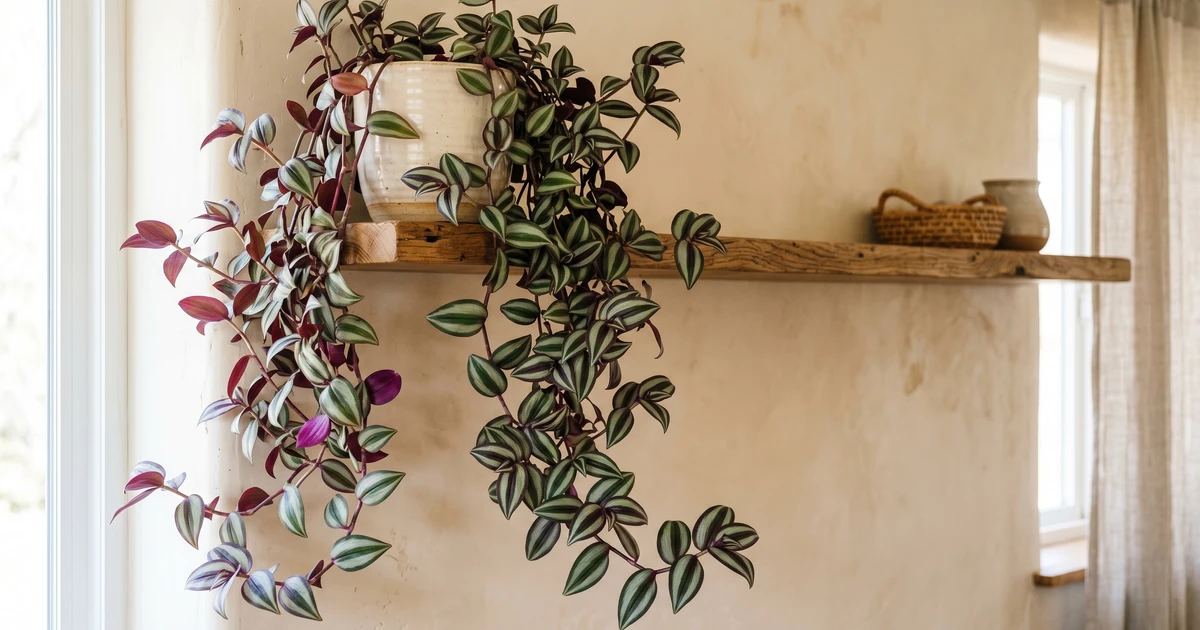
hoya sp lawa 6616
hoya sp lawa 6616
Evidence-based care guide for Hoya Sp Lawa 6616 (hoya sp lawa 6616). Covers pest control and watering. Our analysis draws from 2 verified community cases with an average confidence score of 80%. Each protocol is synthesized from real rescue outcomes, not generic advice.
Care Essentials
Get to Know Your Hoya Sp Lawa 6616
Light is everything for this plant. Get the placement right and everything else falls into place.
Light
medium to bright indirect
Most comfortable in medium to bright indirect light. Avoid prolonged direct sun exposure.
💡 Grow lights: Thrives under artificial grow lights (LED or fluorescent, 10-12 hours/day). A great option if your space lacks natural light.
Watering
every 5-7 days
Likes consistently moist (not soggy) soil. Water when the top inch feels dry. Don't let it dry out completely.
Humidity & Temperature
Not fussy about humidity. Handles average indoor conditions without issue.
Standard room temperature (60-80°F / 15-27°C) is perfect. Avoid cold drafts and sudden temperature swings.
Soil
Standard well-draining potting mix works well. Add perlite for extra drainage if you tend to overwater.
Care Requirements
At a Glance
Care Profile in Development
While our detailed care profile is being compiled, you can find specific care guidance in the 1 care-related diagnoses below — including watering schedules, light requirements, and propagation methods from real-world cases.
Start Here
Most Common Problems
Based on 2 analyzed cases — these are the issues you're most likely to encounter
Don't see your symptom? Search all 2 topics below, or run the Diagnostic.
Which of the 7 Killers
is threatening your plants?
We use Plant Grail problem records — root rot, mites, light, humidity — to rank which failures show up most. Answer 5 questions and we'll tell you which ones match your setup.
Skip the quiz — get The 7 Killers course ($19) →Question 1 of 5
How do you decide when to water your plants?
Question 2 of 5
Where do most of your plants live?
Question 3 of 5
What's your home environment like?
Question 4 of 5
Have you lost a plant in the last 6 months?
Question 5 of 5
How often do you check your plants for pests?
Your diagnosis is ready
We've identified your top 2 risk killers. Enter your email to see the full breakdown and your personalized rescue protocol.
Your plants are most at risk from:

The 7 Killers mini-course covers mechanism, rescue protocol, and prevention for the failure classes that show up most in Grail. 7 lessons. $19.
Get The 7 Killers — $19 →Get the Plant Mortality Checklist
Root rot is the largest named failure class in Plant Grail. Free PDF of the failure map and what to check first.
Your checklist is ready!
We also sent it to your inbox. Check your email for the full download.
Open the ChecklistFree. No spam. Unsubscribe anytime.
Verified Data
All Diagnoses
2 topics consolidated from 2 documented cases. Expand any topic to see all protocols.
Pests (1 topics · 1 cases)
Why does my Hoya Sp Lawa 6616 have mealybugs?
Hoyas generally, and wax-flower types such as Hoya pubicalyx and H
80%
Why does my Hoya Sp Lawa 6616 have mealybugs?
Hoyas generally, and wax-flower types such as Hoya pubicalyx and H
Cause
Hoyas generally, and wax-flower types such as Hoya pubicalyx and H. carnosa specifically, are listed as susceptible to mealybugs, which colonize the slow-growing succulent-like foliage, the stem joints, and the woody peduncles where future flower clusters emerge, so an unchecked population on a mature plant damages both current leaves and the spurs that carry next season's blooms.
Solutions
- Dab every visible white cottony cluster with a cotton swab dipped in 70 percent isopropyl alcohol, working from the underside of the leaves into each stem joint and along every woody peduncle so the alcohol reaches the insects hidden under the waxy coating.
- After spot treatment, spray the entire plant, including the underside of the leaves and the stem joints, with a ready-to-use insecticidal soap at five-day intervals for three weeks so newly hatched crawlers are caught before they can re-establish on the slow-growing hoya foliage.
Prevention
Quarantine any new hoya for two weeks before placing it near an existing collection, inspect the stem joints and peduncles weekly for the white cottony telltales of mealybugs, and keep the plant in bright indirect light with good air movement so the succulent-like foliage dries quickly after watering and stays inhospitable to the crawler stage.
Watering Issues (1 topics · 1 cases)
Is my Hoya Sp Lawa 6616 underwatered?
Hoyas drink in short, infrequent bursts because their thick, leathery, succulent-like leaves act as water reservoirs, and a hoya that has gone too dry signals this drought stress by slightly wrinkling or puckering its foliage long before the leaves lose their green colour, so growers who water on a fixed schedule rather than on the plant's own puckering signal will routinely let the rootball go bone-dry between drinks
80%
Is my Hoya Sp Lawa 6616 underwatered?
Hoyas drink in short, infrequent bursts because their thick, leathery, succulent-like leaves act as water reservoirs, and a hoya that has gone too dry signals this drought stress by slightly wrinkling or puckering its foliage long before the leaves lose their green colour, so growers who water on a fixed schedule rather than on the plant's own puckering signal will routinely let the rootball go bone-dry between drinks
Cause
Hoyas drink in short, infrequent bursts because their thick, leathery, succulent-like leaves act as water reservoirs, and a hoya that has gone too dry signals this drought stress by slightly wrinkling or puckering its foliage long before the leaves lose their green colour, so growers who water on a fixed schedule rather than on the plant's own puckering signal will routinely let the rootball go bone-dry between drinks.
Solutions
- Bottom-water the dehydrated plant by setting the pot in a saucer of room-temperature water for ten to fifteen minutes so the dry rootball rehydrates from below, then lift the pot, let it drain freely for thirty minutes, and only return it to its display spot once excess water has stopped dripping.
- From the next drink onward, allow the top inch of the mix to dry between waterings, add water until it drains through the soil into the saucer, and use the puckering of the foliage as the visual cue to water again rather than a fixed weekly schedule.
Prevention
Pot the hoya in a well-draining mix amended with orchid bark or other aggregates so excess water drains quickly, empty the saucer thirty minutes after every drink so roots never sit in standing water, and check the foliage every few days for the slight wrinkle or pucker that appears when the plant wants its next drink.
Common Questions
Frequently Asked Questions
Why does my hoya sp lawa 6616 have Mealybugs?
Cause: Hoyas generally, and wax-flower types such as Hoya pubicalyx and H. carnosa specifically, are listed as susceptible to mealybugs, which colonize the slow-growing succulent-like foliage, the stem joints, and the woody peduncles where future flower clusters emerge, so an unchecked population on a mature plant damages both current leaves and the spurs that carry next season's blooms.
Solution: Dab every visible white cottony cluster with a cotton swab dipped in 70 percent isopropyl alcohol, working from the underside of the leaves into each stem joint and along every woody peduncle so the alcohol reaches the insects hidden under the waxy coating.
Prevention: Quarantine any new hoya for two weeks before placing it near an existing collection, inspect the stem joints and peduncles weekly for the white cottony telltales of mealybugs, and keep the plant in bright indirect light with good air movement so the succulent-like foliage dries quickly after watering and stays inhospitable to the crawler stage.
80% confidence · View full protocol →
Why does my hoya sp lawa 6616 have Underwatering?
Cause: Hoyas drink in short, infrequent bursts because their thick, leathery, succulent-like leaves act as water reservoirs, and a hoya that has gone too dry signals this drought stress by slightly wrinkling or puckering its foliage long before the leaves lose their green colour, so growers who water on a fixed schedule rather than on the plant's own puckering signal will routinely let the rootball go bone-dry between drinks.
Solution: Bottom-water the dehydrated plant by setting the pot in a saucer of room-temperature water for ten to fifteen minutes so the dry rootball rehydrates from below, then lift the pot, let it drain freely for thirty minutes, and only return it to its display spot once excess water has stopped dripping.
Prevention: Pot the hoya in a well-draining mix amended with orchid bark or other aggregates so excess water drains quickly, empty the saucer thirty minutes after every drink so roots never sit in standing water, and check the foliage every few days for the slight wrinkle or pucker that appears when the plant wants its next drink.
80% confidence · View full protocol →
Common Questions
Frequently Asked About Hoya Sp Lawa 6616
What problems can Hoya Sp Lawa 6616 get?
Our database contains 2 documented Hoya Sp Lawa 6616 cases covering 2 distinct topics, including diseases, pest identification, environmental stress, propagation, and advanced care protocols — each with verified solutions.
Structured Learning
Ready to Go Deeper?
Explore our Mastery Packs for structured, video-based learning with step-by-step protocols from 20,000+ analyzed plant cases.
Browse All Courses →