
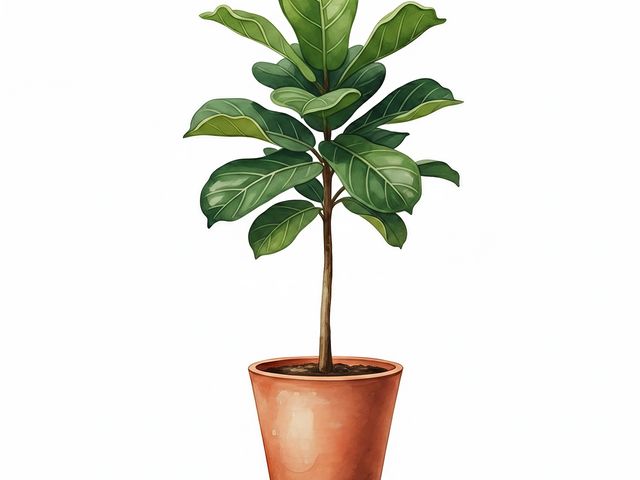
indoor bonsai
Evidence-based care guide for Indoor Bonsai (). Covers care and watering. Our analysis draws from 4 verified community cases with an average confidence score of 85%. Each protocol is synthesized from real rescue outcomes, not generic advice.
Care Essentials
Get to Know Your Indoor Bonsai
The #1 killer? Overwatering. Let the soil dry between waterings and your Indoor Bonsai will thrive.
Light
medium to bright indirect
Tolerates lower light but grows best in medium to bright indirect light. Can get leggy without enough light.
💡 Grow lights: Thrives under artificial grow lights (LED or fluorescent, 10-12 hours/day). A great option if your space lacks natural light.
Watering
every 10-14 days
Let the soil dry out significantly between waterings — this plant is very sensitive to overwatering. When in doubt, wait another day.
Humidity & Temperature
Appreciates some humidity but adapts to average home conditions. Brown tips in winter? Your air might be too dry — a light misting helps.
Standard room temperature (60-80°F / 15-27°C) is perfect. Avoid cold drafts and sudden temperature swings.
Soil
Standard well-draining potting mix works well. Add perlite for extra drainage if you tend to overwater.
Care Requirements
At a Glance
Care Profile in Development
While our detailed care profile is being compiled, you can find specific care guidance in the 2 care-related diagnoses below — including watering schedules, light requirements, and propagation methods from real-world cases.
Start Here
Most Common Problems
Based on 4 analyzed cases — these are the issues you're most likely to encounter
Don't see your symptom? Search all 4 topics below, or run the Diagnostic.
What is the best soil mix for Indoor Bonsai?
Soil particle size and drainage capacity — oxygen diffuses 10,000 times faster...
Is my Indoor Bonsai overwatered?
Overwatering suffocates roots — oxygen diffuses 10,000 times faster through air...
Does my Indoor Bonsai need more humidity?
Indoor humidity drops to 10-20% (Sahara Desert is ~30%) due to air conditioning...
How much light does my Indoor Bonsai need?
Fluorescent light intensity diminishes rapidly with distance; plants placed too...
Which of the 7 Killers
is threatening your plants?
We use Plant Grail problem records — root rot, mites, light, humidity — to rank which failures show up most. Answer 5 questions and we'll tell you which ones match your setup.
Skip the quiz — get The 7 Killers course ($19) →Question 1 of 5
How do you decide when to water your plants?
Question 2 of 5
Where do most of your plants live?
Question 3 of 5
What's your home environment like?
Question 4 of 5
Have you lost a plant in the last 6 months?
Question 5 of 5
How often do you check your plants for pests?
Your diagnosis is ready
We've identified your top 2 risk killers. Enter your email to see the full breakdown and your personalized rescue protocol.
Your plants are most at risk from:

The 7 Killers mini-course covers mechanism, rescue protocol, and prevention for the failure classes that show up most in Grail. 7 lessons. $19.
Get The 7 Killers — $19 →Get the Plant Mortality Checklist
Root rot is the largest named failure class in Plant Grail. Free PDF of the failure map and what to check first.
Your checklist is ready!
We also sent it to your inbox. Check your email for the full download.
Open the ChecklistFree. No spam. Unsubscribe anytime.
Verified Data
All Diagnoses
4 topics consolidated from 4 documented cases. Expand any topic to see all protocols.
Watering Issues (1 topics · 1 cases)
Is my Indoor Bonsai overwatered?
Overwatering suffocates roots — oxygen diffuses 10,000 times faster through air than water; roots immersed in water cannot uptake water even when saturated
85%
Is my Indoor Bonsai overwatered?
Overwatering suffocates roots — oxygen diffuses 10,000 times faster through air than water; roots immersed in water cannot uptake water even when saturated
Cause
Overwatering suffocates roots — oxygen diffuses 10,000 times faster through air than water; roots immersed in water cannot uptake water even when saturated
Solutions
- For newly potted bonsai: water well after potting, then enclose in polyethylene bag for 5-10 days to prevent drying
- For established bonsai: use 'quick dip and flush' — immerse soil mass in plain water, then follow immediately with fertilizer solution
- Allow water to flow freely from drain holes before finishing — salts accumulate if water doesn't flush through
- Very small bonsai need water daily; larger plants need water only once or twice a week
- Never let water stagnate in drain trays — drainage holes must be above water level
Prevention
Water only when soil surface appears dry; let soil approach dryness between waterings to allow oxygen to re-enter soil particles
Environment (1 topics · 1 cases)
Does my Indoor Bonsai need more humidity?
Indoor humidity drops to 10-20% (Sahara Desert is ~30%) due to air conditioning and heating, causing moisture loss through leaf surfaces
85%
Does my Indoor Bonsai need more humidity?
Indoor humidity drops to 10-20% (Sahara Desert is ~30%) due to air conditioning and heating, causing moisture loss through leaf surfaces
Cause
Indoor humidity drops to 10-20% (Sahara Desert is ~30%) due to air conditioning and heating, causing moisture loss through leaf surfaces
Solutions
- Set bonsai container on tray of gravel and water — evaporation provides local humidity; pot drain holes must stay above water level
- Use cool mist vaporizer in smaller rooms; standard warm mist vaporizer if indoor temperature is kept below 65°F in winter
- Enclose plants in polyethylene tent — small tents for single trees up to larger indoor areas for collections
- Spray foliage with antitranspirant (Wiltpruf, Envy, or Evergreen) after repotting to reduce moisture loss
- Group plants together to create collective humidity through shared transpiration
Prevention
Maintain 50-95% humidity for subtropical bonsai using pebble trays, humidifiers, or polyethylene enclosures
Other Topics (2 topics · 2 cases)
What is the best soil mix for Indoor Bonsai?
Soil particle size and drainage capacity — oxygen diffuses 10,000 times faster through air than through water, so waterlogged soil suffocates root cells
85%
What is the best soil mix for Indoor Bonsai?
Soil particle size and drainage capacity — oxygen diffuses 10,000 times faster through air than through water, so waterlogged soil suffocates root cells
Cause
Soil particle size and drainage capacity — oxygen diffuses 10,000 times faster through air than through water, so waterlogged soil suffocates root cells
Solutions
- Screen all mix ingredients through standard window screen — discard anything that passes through
- For general-purpose bonsai mix: 1 part grit (chicken grit or sand) + 2 parts sphagnum peat + 3 parts Turface (baked clay particles)
- The goal is large inter-particle spaces that admit water while allowing air circulation around roots
- Avoid clayey soils which compact and suffocate roots; sandy loam is preferred
- Verify drainage: water must flow freely from drain holes within seconds of watering
- Larger particles = better aeration = healthier roots
Prevention
Screen all ingredients before mixing; use 1 part grit + 2 parts peat + 3 parts Turface; ensure pots drain freely within seconds of watering
How much light does my Indoor Bonsai need?
Fluorescent light intensity diminishes rapidly with distance; plants placed too far from tubes receive insufficient light for photosynthesis
85%
How much light does my Indoor Bonsai need?
Fluorescent light intensity diminishes rapidly with distance; plants placed too far from tubes receive insufficient light for photosynthesis
Cause
Fluorescent light intensity diminishes rapidly with distance; plants placed too far from tubes receive insufficient light for photosynthesis
Solutions
- Position tops of plants no more than 4-6 inches from fluorescent tubes for maximum growth
- Use 18-inch tubes as basic unit — light intensity diminishes at tube ends, making longer tubes more efficient
- Provide 16-18 hours of artificial light per day using appliance timers
- For tropical rainforest plants (Ficus, Schefflera): 700-1000 Lux is sufficient; for subtropical species: 2000-5000 Lux; for Mediterranean species: up to 10,000 Lux
- Use 'warm' fluorescent light color (light yellow) for single lamp setups; combine 'daylight' and 'warm' for two-lamp setups
- Replace fluorescent lamps every 6 months as power diminishes after this period
Prevention
Keep all plant parts within 12 inches of fluorescent tubes; replace tubes annually as output decreases with age
Common Questions
Frequently Asked Questions
Why does my indoor bonsai have Improper-soil-mix?
Cause: Soil particle size and drainage capacity — oxygen diffuses 10,000 times faster through air than through water, so waterlogged soil suffocates root cells
Solution: Screen all mix ingredients through standard window screen — discard anything that passes through
Prevention: Screen all ingredients before mixing; use 1 part grit + 2 parts peat + 3 parts Turface; ensure pots drain freely within seconds of watering
85% confidence · View full protocol →
Why does my indoor bonsai have Overwatering?
Cause: Overwatering suffocates roots — oxygen diffuses 10,000 times faster through air than water; roots immersed in water cannot uptake water even when saturated
Solution: For newly potted bonsai: water well after potting, then enclose in polyethylene bag for 5-10 days to prevent drying
Prevention: Water only when soil surface appears dry; let soil approach dryness between waterings to allow oxygen to re-enter soil particles
85% confidence · View full protocol →
Why does my indoor bonsai have Low-humidity?
Cause: Indoor humidity drops to 10-20% (Sahara Desert is ~30%) due to air conditioning and heating, causing moisture loss through leaf surfaces
Solution: Set bonsai container on tray of gravel and water — evaporation provides local humidity; pot drain holes must stay above water level
Prevention: Maintain 50-95% humidity for subtropical bonsai using pebble trays, humidifiers, or polyethylene enclosures
85% confidence · View full protocol →
Why does my indoor bonsai have Insufficient-light?
Cause: Fluorescent light intensity diminishes rapidly with distance; plants placed too far from tubes receive insufficient light for photosynthesis
Solution: Position tops of plants no more than 4-6 inches from fluorescent tubes for maximum growth
Prevention: Keep all plant parts within 12 inches of fluorescent tubes; replace tubes annually as output decreases with age
85% confidence · View full protocol →
Common Questions
Frequently Asked About Indoor Bonsai
What problems can Indoor Bonsai get?
Our database contains 4 documented Indoor Bonsai cases covering 4 distinct topics, including diseases, pest identification, environmental stress, propagation, and advanced care protocols — each with verified solutions.
Structured Learning
Ready to Go Deeper?
Explore our Mastery Packs for structured, video-based learning with step-by-step protocols from 20,000+ analyzed plant cases.
Browse All Courses →