
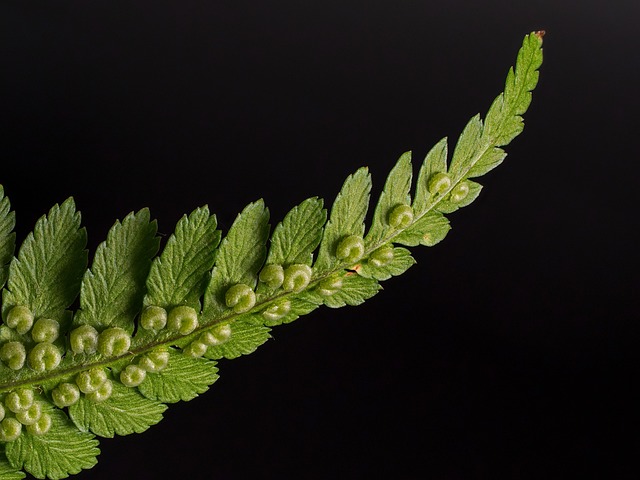
kimberly queen fern
Nephrolepis obliterata
Evidence-based care guide for Kimberly Queen Fern (Nephrolepis obliterata). Covers symptom diagnosis. Our analysis draws from 5 verified community cases with an average confidence score of 88%. Each protocol is synthesized from real rescue outcomes, not generic advice.
Care Essentials
Get to Know Your Kimberly Queen Fern
Watch the humidity — a little extra moisture in the air goes a long way with this plant.
Light
medium to bright indirect
Most comfortable in medium to bright indirect light. Avoid prolonged direct sun exposure.
💡 Grow lights: Thrives under artificial grow lights (LED or fluorescent, 10-12 hours/day). A great option if your space lacks natural light.
Watering
every 7-10 days
Water when the top 1-2 inches of soil feel dry. Adjust with the seasons — less in winter, more in summer.
Humidity & Temperature
Loves higher humidity (60%+). If your air is dry, group it with other plants, use a pebble tray, or run a humidifier nearby.
Standard room temperature (60-80°F / 15-27°C) is perfect. Avoid cold drafts and sudden temperature swings.
Soil
Standard well-draining potting mix works well. Add perlite for extra drainage if you tend to overwater.
Care Requirements
At a Glance
Care Profile in Development
While our detailed care profile is being compiled, you can find specific care guidance in the 0 care-related diagnoses below — including watering schedules, light requirements, and propagation methods from real-world cases.
Start Here
Most Common Problems
Based on 5 analyzed cases — these are the issues you're most likely to encounter
Don't see your symptom? Search all 5 topics below, or run the Diagnostic.
Kimberly Queen Fern: Crispy Leaves
Low ambient humidity causing rapid moisture loss from fronds, leading to...
Is my Kimberly Queen Fern suffering from cold damage?
Kimberly Queen Ferns are only hardy to approximately 20�F (USDA Zone 9)....
Why do my Kimberly Queen Fern leaves have brown tips?
Browning tips are often caused by allowing the soil to dry out completely...
Kimberly Queen Fern: No New Growth
Over time, Kimberly Queen Ferns exhaust soil nutrients and space, leading to a...
What pests are on my Kimberly Queen Fern?
Transitioning ferns from outdoor summer locations to indoor winter spaces often...
Which of the 7 Killers
is threatening your plants?
We analyzed 1,616 documented plant deaths to identify the 7 causes behind 78% of all losses. Answer 5 questions — we'll tell you exactly which ones apply to your setup.
Skip the quiz — get The 7 Killers course ($19) →Question 1 of 5
How do you decide when to water your plants?
Question 2 of 5
Where do most of your plants live?
Question 3 of 5
What's your home environment like?
Question 4 of 5
Have you lost a plant in the last 6 months?
Question 5 of 5
How often do you check your plants for pests?
Your diagnosis is ready
We've identified your top 2 risk killers. Enter your email to see the full breakdown and your personalized rescue protocol.
Your plants are most at risk from:

The 7 Killers mini-course covers every one of these in depth — mechanism, rescue protocol, prevention. 1,616 cases. 7 lessons. $19.
Get The 7 Killers — $19 →Get the Plant Mortality Checklist
The 7 killers behind 78% of houseplant deaths — and the exact fix for each. Free PDF based on 1,616 documented cases.
Your checklist is ready!
We also sent it to your inbox. Check your email for the full download.
Open the ChecklistFree. No spam. Unsubscribe anytime.
Verified Data
All Diagnoses
5 topics consolidated from 5 documented cases. Expand any topic to see all protocols.
Symptoms (1 topics · 1 cases)
Why do my Kimberly Queen Fern leaves have brown tips?
Browning tips are often caused by allowing the soil to dry out completely between waterings, while mold on the soil surface indicates excessive top-misting or lack of ventilation despite high moisture
88%
Why do my Kimberly Queen Fern leaves have brown tips?
Browning tips are often caused by allowing the soil to dry out completely between waterings, while mold on the soil surface indicates excessive top-misting or lack of ventilation despite high moisture
Cause
Browning tips are often caused by allowing the soil to dry out completely between waterings, while mold on the soil surface indicates excessive top-misting or lack of ventilation despite high moisture.
Solutions
- Maintain consistently moist soil; water when the top half-inch of soil feels dry.
- Use bottom watering to ensure even hydration and keep the topsoil drier to prevent mold.
- Scoop off any existing mold and improve air circulation around the plant base.
- Stop misting if mold persists; use a humidifier instead.
Prevention
Empty the drainage saucer after watering to prevent "wet feet". Use a moisture meter to maintain the "sweet spot" of damp soil.
Pests (1 topics · 1 cases)
What pests are on my Kimberly Queen Fern?
Transitioning ferns from outdoor summer locations to indoor winter spaces often introduces hitchhiking pests like spiders, stink bugs, or scale insects
85%
What pests are on my Kimberly Queen Fern?
Transitioning ferns from outdoor summer locations to indoor winter spaces often introduces hitchhiking pests like spiders, stink bugs, or scale insects
Cause
Transitioning ferns from outdoor summer locations to indoor winter spaces often introduces hitchhiking pests like spiders, stink bugs, or scale insects.
Solutions
- Thoroughly shower the fronds with room-temperature water before bringing them indoors.
- Inspect the undersides of fronds and the crown for hidden insects or egg sacs.
- If pests are found, treat with insecticidal soap or neem oil before the plant joins other indoor houseplants.
Prevention
Perform a "quarantine" week in a separate indoor area to monitor for emerging pests before moving to permanent locations.
Environment (1 topics · 1 cases)
Is my Kimberly Queen Fern suffering from cold damage?
Kimberly Queen Ferns are only hardy to approximately 20�F (USDA Zone 9)
90%
Is my Kimberly Queen Fern suffering from cold damage?
Kimberly Queen Ferns are only hardy to approximately 20�F (USDA Zone 9)
Cause
Kimberly Queen Ferns are only hardy to approximately 20�F (USDA Zone 9). Exposure to freezing temperatures causes cellular collapse, leading to mushy or blackened fronds.
Solutions
- Bring outdoor ferns indoors once overnight temperatures consistently drop below 40-50�F.
- If frost damage occurs, trim away mushy sections and keep the plant in a warm, humid environment to see if the rhizome survives.
- In mild climates (Zone 9+), mulch the base heavily if leaving outdoors.
Prevention
Monitor weather forecasts. Transition the plant gradually (over 7-10 days) to indoor light and humidity to avoid acclimation shock.
Other Topics (2 topics · 2 cases)
Kimberly Queen Fern: Crispy Leaves
Low ambient humidity causing rapid moisture loss from fronds, leading to browning and a crispy texture
90%
Kimberly Queen Fern: Crispy Leaves
Low ambient humidity causing rapid moisture loss from fronds, leading to browning and a crispy texture
Cause
Low ambient humidity causing rapid moisture loss from fronds, leading to browning and a crispy texture. Common in indoor environments with central heating or dry climates.
Solutions
- Increase humidity to at least 40-50% using a humidifier or pebble tray.
- Relocate the plant to a naturally humid room like a bathroom with indirect light.
- Group with other plants to create a humid microclimate.
- Mist daily as a temporary measure, but prioritize consistent ambient humidity.
Prevention
Monitor humidity levels with a hygrometer. Avoid placing near heating vents or drafty windows.
Kimberly Queen Fern: No New Growth
Over time, Kimberly Queen Ferns exhaust soil nutrients and space, leading to a root-bound state
85%
Kimberly Queen Fern: No New Growth
Over time, Kimberly Queen Ferns exhaust soil nutrients and space, leading to a root-bound state
Cause
Over time, Kimberly Queen Ferns exhaust soil nutrients and space, leading to a root-bound state. Additionally, older central rhizomes may naturally die off, creating a "hollow" or brown center in the crown.
Solutions
- Repot into a container 1-2 inches larger using a well-draining, peat-rich potting mix.
- Divide the plant: remove from pot, slice through the root ball to separate healthy outer sections, and discard the dead central material.
- Ensure the new sections have adequate roots and repot individually.
- Water thoroughly after division to minimize transplant shock.
Prevention
Refresh soil every 2 years. Monitor growth rate; if growth stalls despite ideal conditions, check for root density.
Common Questions
Frequently Asked Questions
Why does my kimberly queen fern have Crispy leaves?
Cause: Low ambient humidity causing rapid moisture loss from fronds, leading to browning and a crispy texture. Common in indoor environments with central heating or dry climates.
Solution: Increase humidity to at least 40-50% using a humidifier or pebble tray.
Prevention: Monitor humidity levels with a hygrometer. Avoid placing near heating vents or drafty windows.
90% confidence · View full protocol →
Why does my kimberly queen fern have Cold damage?
Cause: Kimberly Queen Ferns are only hardy to approximately 20�F (USDA Zone 9). Exposure to freezing temperatures causes cellular collapse, leading to mushy or blackened fronds.
Solution: Bring outdoor ferns indoors once overnight temperatures consistently drop below 40-50�F.
Prevention: Monitor weather forecasts. Transition the plant gradually (over 7-10 days) to indoor light and humidity to avoid acclimation shock.
90% confidence · View full protocol →
Why does my kimberly queen fern have Brown tips?
Cause: Browning tips are often caused by allowing the soil to dry out completely between waterings, while mold on the soil surface indicates excessive top-misting or lack of ventilation despite high moisture.
Solution: Maintain consistently moist soil; water when the top half-inch of soil feels dry.
Prevention: Empty the drainage saucer after watering to prevent "wet feet". Use a moisture meter to maintain the "sweet spot" of damp soil.
88% confidence · View full protocol →
Why does my kimberly queen fern have No new growth?
Cause: Over time, Kimberly Queen Ferns exhaust soil nutrients and space, leading to a root-bound state. Additionally, older central rhizomes may naturally die off, creating a "hollow" or brown center in the crown.
Solution: Repot into a container 1-2 inches larger using a well-draining, peat-rich potting mix.
Prevention: Refresh soil every 2 years. Monitor growth rate; if growth stalls despite ideal conditions, check for root density.
85% confidence · View full protocol →
Why does my kimberly queen fern have Pests?
Cause: Transitioning ferns from outdoor summer locations to indoor winter spaces often introduces hitchhiking pests like spiders, stink bugs, or scale insects.
Solution: Thoroughly shower the fronds with room-temperature water before bringing them indoors.
Prevention: Perform a "quarantine" week in a separate indoor area to monitor for emerging pests before moving to permanent locations.
85% confidence · View full protocol →
Common Questions
Frequently Asked About Kimberly Queen Fern
What problems can Kimberly Queen Fern get?
Our database contains 5 documented Kimberly Queen Fern cases covering 5 distinct topics, including diseases, pest identification, environmental stress, propagation, and advanced care protocols — each with verified solutions.
Structured Learning
Ready to Go Deeper?
Explore our Mastery Packs for structured, video-based learning with step-by-step protocols from 20,000+ analyzed plant cases.
Browse All Courses →