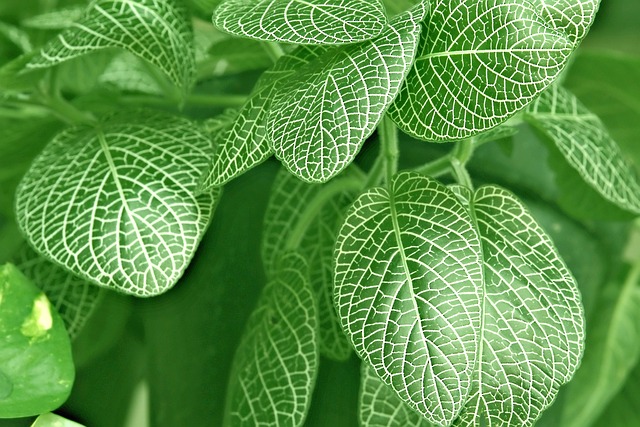
nerve plant
Fittonia albivenis
Evidence-based care guide for Nerve Plant (Fittonia albivenis). Covers symptom diagnosis. Our analysis draws from 3 verified community cases with an average confidence score of 83%. Each protocol is synthesized from real rescue outcomes, not generic advice.
Care Essentials
Get to Know Your Nerve Plant
Watch the humidity — a little extra moisture in the air goes a long way with this plant.
Light
medium to bright indirect
Most comfortable in medium to bright indirect light. Avoid prolonged direct sun exposure.
💡 Grow lights: Thrives under artificial grow lights (LED or fluorescent, 10-12 hours/day). A great option if your space lacks natural light.
Watering
every 10-14 days
Let the soil dry out significantly between waterings — this plant is very sensitive to overwatering. When in doubt, wait another day.
Humidity & Temperature
Appreciates some humidity but adapts to average home conditions. Brown tips in winter? Your air might be too dry — a light misting helps.
Standard room temperature (60-80°F / 15-27°C) is perfect. Avoid cold drafts and sudden temperature swings.
Soil
Standard well-draining potting mix works well. Add perlite for extra drainage if you tend to overwater.
Care Requirements
At a Glance
Care Profile in Development
While our detailed care profile is being compiled, you can find specific care guidance in the 0 care-related diagnoses below — including watering schedules, light requirements, and propagation methods from real-world cases.
Start Here
Most Common Problems
Based on 3 analyzed cases — these are the issues you're most likely to encounter
Don't see your symptom? Search all 3 topics below, or run the Diagnostic.
Why is my Nerve Plant wilting?
Fittonia (Nerve Plant) exhibits dramatic epinastic wilting as a reversible...
Why is my Nerve Plant wilting?
Persistent wilting where the soil is moist indicates a 'Humidity Collapse'....
Nerve Plant: Transplant Shock
Fittonia roots are among the finest in the houseplant world. Any disturbance...
Which of the 7 Killers
is threatening your plants?
We analyzed 1,616 documented plant deaths to identify the 7 causes behind 78% of all losses. Answer 5 questions — we'll tell you exactly which ones apply to your setup.
Skip the quiz — get The 7 Killers course ($19) →Question 1 of 5
How do you decide when to water your plants?
Question 2 of 5
Where do most of your plants live?
Question 3 of 5
What's your home environment like?
Question 4 of 5
Have you lost a plant in the last 6 months?
Question 5 of 5
How often do you check your plants for pests?
Your diagnosis is ready
We've identified your top 2 risk killers. Enter your email to see the full breakdown and your personalized rescue protocol.
Your plants are most at risk from:

The 7 Killers mini-course covers every one of these in depth — mechanism, rescue protocol, prevention. 1,616 cases. 7 lessons. $19.
Get The 7 Killers — $19 →Get the Plant Mortality Checklist
The 7 killers behind 78% of houseplant deaths — and the exact fix for each. Free PDF based on 1,616 documented cases.
Your checklist is ready!
We also sent it to your inbox. Check your email for the full download.
Open the ChecklistFree. No spam. Unsubscribe anytime.
Verified Data
All Diagnoses
3 topics consolidated from 3 documented cases. Expand any topic to see all protocols.
Symptoms (2 topics · 2 cases)
Why is my Nerve Plant wilting?
Fittonia (Nerve Plant) exhibits dramatic epinastic wilting as a reversible turgor response to water deficit or low humidity
84%
Why is my Nerve Plant wilting?
Fittonia (Nerve Plant) exhibits dramatic epinastic wilting as a reversible turgor response to water deficit or low humidity
Cause
Fittonia (Nerve Plant) exhibits dramatic epinastic wilting as a reversible turgor response to water deficit or low humidity. If soil is dry, it is simple thirst. If soil is wet and drooping persists, it indicates anaerobic root rot or severe transplant shock. Red varieties (anthocyanin-rich) are slightly more drought-tolerant than green varieties.
Solutions
- Check soil moisture instantly. If top 0.5 inch is dry, soak the entire root ball in room-temp water for 15 minutes.
- If soil is already wet, unpot and check for mushy roots (root rot); trim and repot in an airy peat-based mix.
- Boost humidity immediately to 70%+ using a humidity dome or a large humidifier to stop leaf transpiration.
- Move to medium indirect light; avoid any direct sun which accelerates the fainting.
Prevention
Never let the soil dry out completely. Use self-watering pots or terrariums to provide the constant high-humidity (60%+) and moisture they crave. Mist daily or group with other high-transpiration plants.
Why is my Nerve Plant wilting?
Persistent wilting where the soil is moist indicates a 'Humidity Collapse'
84%
Why is my Nerve Plant wilting?
Persistent wilting where the soil is moist indicates a 'Humidity Collapse'
Cause
Persistent wilting where the soil is moist indicates a 'Humidity Collapse'. Fittonia are tropical understory plants that require 60-90% humidity. In dry indoor air, their thin leaves transpire water faster than their fine roots can uptake it, causing a permanent state of wilt. Chronic 'surface watering' (giving small sips) also leaves bottom roots dry despite top-inch moisture.
Solutions
- The Plastic Bag Rehab: Place the wilted plant in a large, clear plastic bag and seal it. This raises humidity to nearly 100%, allowing the leaves to rehydrate without root pressure. Keep in the bag for 48-72 hours.
- Deep Soak Method: Submerge the pot in a basin of room-temp water for 20 minutes to ensure every inch of the root ball is hydrated. Drain thoroughly afterward.
- Check Nightly Behavior: Fittonia naturally perk up slightly at night (nyctinasty). If the plant stays limp even in the dark, the vascular system is compromised, or roots are rotted.
- Take emergency cuttings: If the base is mushy, take 3-inch tip cuttings and root them in a sealed container with moist perlite.
Prevention
Never place Fittonia near south-facing windows or heat vents. Use terrariums for long-term stability. If keeping in open air, group them with ferns and humidifiers. Always water deeply until water exits the drainage holes.
Other Topics (1 topics · 1 cases)
Nerve Plant: Transplant Shock
Fittonia roots are among the finest in the houseplant world
81%
Nerve Plant: Transplant Shock
Fittonia roots are among the finest in the houseplant world
Cause
Fittonia roots are among the finest in the houseplant world. Any disturbance during repotting or an abrupt change in substrate (e.g., soil to LECA) triggers an immediate turgor collapse. The plant 'faints' because the fine root hairs are damaged or the new environment lacks the capillary moisture of the old soil.
Solutions
- If the plant wilts after repotting, do NOT add more water unless the soil is dry. Overwatering a shocked plant causes instant rot.
- Place the entire plant and pot inside a large, clear plastic bag (Humidity Tent). Blow some air into it to inflate, then seal it for 72 hours.
- Move to a warm, brightly lit spot with zero direct sun. The humidity tent stops the leaves from transpiring, allowing the roots to re-establish.
- If shock is from a soap/vinegar chemical burn, flush the leaves and soil with room-temp water and then tent the plant.
Prevention
Minimize root disturbance. Never shake off all the old soil; move the root ball as one solid mass into the new pot. Avoid repotting sensitive tropicals in winter. Pre-soak any new substrate (LECA or soil) to match the existing moisture profile.
Common Questions
Frequently Asked Questions
Why does my nerve plant have Drooping?
Cause: Fittonia (Nerve Plant) exhibits dramatic epinastic wilting as a reversible turgor response to water deficit or low humidity. If soil is dry, it is simple thirst. If soil is wet and drooping persists, it indicates anaerobic root rot or severe transplant shock. Red varieties (anthocyanin-rich) are slightly more drought-tolerant than green varieties.
Solution: Check soil moisture instantly. If top 0.5 inch is dry, soak the entire root ball in room-temp water for 15 minutes.
Prevention: Never let the soil dry out completely. Use self-watering pots or terrariums to provide the constant high-humidity (60%+) and moisture they crave. Mist daily or group with other high-transpiration plants.
84% confidence · View full protocol →
Why does my nerve plant have Wilting?
Cause: Persistent wilting where the soil is moist indicates a 'Humidity Collapse'. Fittonia are tropical understory plants that require 60-90% humidity. In dry indoor air, their thin leaves transpire water faster than their fine roots can uptake it, causing a permanent state of wilt. Chronic 'surface watering' (giving small sips) also leaves bottom roots dry despite top-inch moisture.
Solution: The Plastic Bag Rehab: Place the wilted plant in a large, clear plastic bag and seal it. This raises humidity to nearly 100%, allowing the leaves to rehydrate without root pressure. Keep in the bag for 48-72 hours.
Prevention: Never place Fittonia near south-facing windows or heat vents. Use terrariums for long-term stability. If keeping in open air, group them with ferns and humidifiers. Always water deeply until water exits the drainage holes.
84% confidence · View full protocol →
Why does my nerve plant have Transplant shock?
Cause: Fittonia roots are among the finest in the houseplant world. Any disturbance during repotting or an abrupt change in substrate (e.g., soil to LECA) triggers an immediate turgor collapse. The plant 'faints' because the fine root hairs are damaged or the new environment lacks the capillary moisture of the old soil.
Solution: If the plant wilts after repotting, do NOT add more water unless the soil is dry. Overwatering a shocked plant causes instant rot.
Prevention: Minimize root disturbance. Never shake off all the old soil; move the root ball as one solid mass into the new pot. Avoid repotting sensitive tropicals in winter. Pre-soak any new substrate (LECA or soil) to match the existing moisture profile.
81% confidence · View full protocol →
Common Questions
Frequently Asked About Nerve Plant
What problems can Nerve Plant get?
Our database contains 3 documented Nerve Plant cases covering 3 distinct topics, including diseases, pest identification, environmental stress, propagation, and advanced care protocols — each with verified solutions.
Structured Learning
Ready to Go Deeper?
Explore our Mastery Packs for structured, video-based learning with step-by-step protocols from 20,000+ analyzed plant cases.
Browse All Courses →