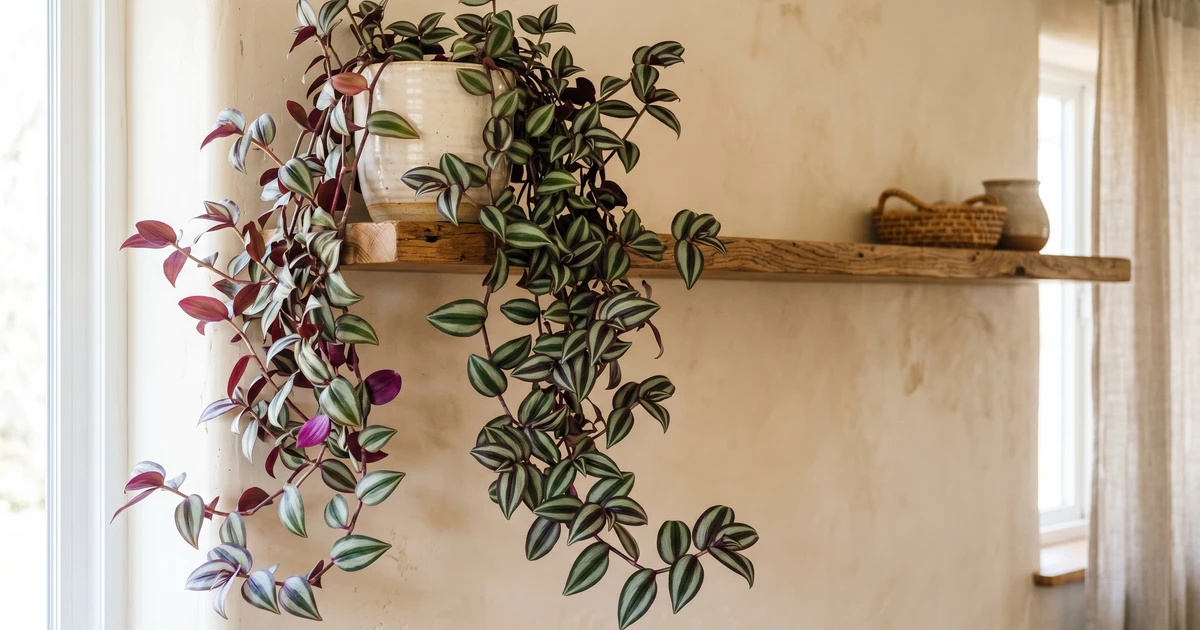
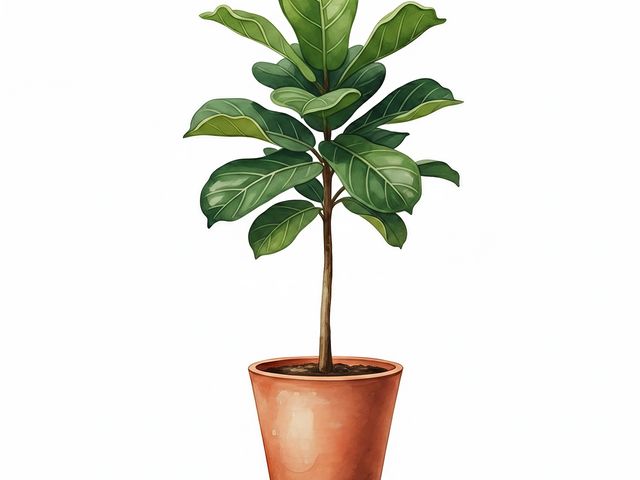
philodendron florida beauty
philodendron florida beauty
Evidence-based care guide for Philodendron Florida Beauty (philodendron florida beauty). Covers symptom diagnosis, disease treatment and pest control. Our analysis draws from 3 verified community cases with an average confidence score of 80%. Each protocol is synthesized from real rescue outcomes, not generic advice.
Care Essentials
Get to Know Your Philodendron Florida Beauty
The #1 killer? Overwatering. Let the soil dry between waterings and your Philodendron Florida Beauty will thrive.
Light
medium to bright indirect
Most comfortable in medium to bright indirect light. Avoid prolonged direct sun exposure.
💡 Grow lights: Thrives under artificial grow lights (LED or fluorescent, 10-12 hours/day). A great option if your space lacks natural light.
Watering
every 10-14 days
Let the soil dry out significantly between waterings — this plant is very sensitive to overwatering. When in doubt, wait another day.
Humidity & Temperature
Appreciates some humidity but adapts to average home conditions. Brown tips in winter? Your air might be too dry — a light misting helps.
Standard room temperature (60-80°F / 15-27°C) is perfect. Avoid cold drafts and sudden temperature swings.
Soil
Standard well-draining potting mix works well. Add perlite for extra drainage if you tend to overwater.
Care Requirements
At a Glance
Care Profile in Development
While our detailed care profile is being compiled, you can find specific care guidance in the 0 care-related diagnoses below — including watering schedules, light requirements, and propagation methods from real-world cases.
Go Deeper
Philodendron Rare Guide Pack
The complete protocol: advanced care, seasonal calendars, and rescue modules. Everything on this page, plus video walkthroughs.
Start Here
Most Common Problems
Based on 3 analyzed cases — these are the issues you're most likely to encounter
Don't see your symptom? Search all 3 topics below, or run the Diagnostic.
Why are my Philodendron Florida Beauty leaves turning yellow?
On philodendrons, yellow leaves develop when the plant sits in soil that is...
Why does my Philodendron Florida Beauty have root rot?
Philodendrons collapse and the root system rots when the potting mix stays...
Why does my Philodendron Florida Beauty have mealybugs?
Mealybugs show up on philodendrons as white cottony clusters tucked into stem...
Which of the 7 Killers
is threatening your plants?
We use Plant Grail problem records — root rot, mites, light, humidity — to rank which failures show up most. Answer 5 questions and we'll tell you which ones match your setup.
Skip the quiz — get The 7 Killers course ($19) →Question 1 of 5
How do you decide when to water your plants?
Question 2 of 5
Where do most of your plants live?
Question 3 of 5
What's your home environment like?
Question 4 of 5
Have you lost a plant in the last 6 months?
Question 5 of 5
How often do you check your plants for pests?
Your diagnosis is ready
We've identified your top 2 risk killers. Enter your email to see the full breakdown and your personalized rescue protocol.
Your plants are most at risk from:

The 7 Killers mini-course covers mechanism, rescue protocol, and prevention for the failure classes that show up most in Grail. 7 lessons. $19.
Get The 7 Killers — $19 →Get the Plant Mortality Checklist
Root rot is the largest named failure class in Plant Grail. Free PDF of the failure map and what to check first.
Your checklist is ready!
We also sent it to your inbox. Check your email for the full download.
Open the ChecklistFree. No spam. Unsubscribe anytime.
Verified Data
All Diagnoses
3 topics consolidated from 3 documented cases. Expand any topic to see all protocols.
Symptoms (1 topics · 1 cases)
Why are my Philodendron Florida Beauty leaves turning yellow?
On philodendrons, yellow leaves develop when the plant sits in soil that is kept too wet or too dry, when humidity is too low, when heat is too high, or when cold water shocks the roots — the same stresses that drive most aroid yellowing in the home
80%
Why are my Philodendron Florida Beauty leaves turning yellow?
On philodendrons, yellow leaves develop when the plant sits in soil that is kept too wet or too dry, when humidity is too low, when heat is too high, or when cold water shocks the roots — the same stresses that drive most aroid yellowing in the home
Cause
On philodendrons, yellow leaves develop when the plant sits in soil that is kept too wet or too dry, when humidity is too low, when heat is too high, or when cold water shocks the roots — the same stresses that drive most aroid yellowing in the home.
Solutions
- Move the plant away from heat sources and drafts, and group it with other plants or set it on a humidity tray so the air around the foliage stays around 30 percent humidity rather than bone-dry indoor air.
- Reset the watering rhythm by lifting the pot to feel its weight and only watering when the top inch of soil is dry, and always use tepid or room-temperature water so cold water does not ring or yellow the leaves.
Prevention
Keep philodendrons in bright indirect light, water with tepid water only when the potting mix is partly dry, and maintain average home humidity by misting or grouping plants so yellow leaves do not return.
Diseases (1 topics · 1 cases)
Why does my Philodendron Florida Beauty have root rot?
Philodendrons collapse and the root system rots when the potting mix stays waterlogged because the container has no drainage, the soil has gone sour and compacted, or the plant has been kept perpetually wet — Kramer lists collapse from root rot from poor drainage as a classic aroid failure mode
80%
Why does my Philodendron Florida Beauty have root rot?
Philodendrons collapse and the root system rots when the potting mix stays waterlogged because the container has no drainage, the soil has gone sour and compacted, or the plant has been kept perpetually wet — Kramer lists collapse from root rot from poor drainage as a classic aroid failure mode
Cause
Philodendrons collapse and the root system rots when the potting mix stays waterlogged because the container has no drainage, the soil has gone sour and compacted, or the plant has been kept perpetually wet — Kramer lists collapse from root rot from poor drainage as a classic aroid failure mode.
Solutions
- Pull the plant from its pot, shake off the soggy soil, and cut back any black, mushy, or hollow roots with clean scissors, leaving only firm white or tan tissue, then repot into a container with a 4-inch drainage hole using a fresh, coarse aroid mix.
- After repotting, water once to settle the medium, then hold off until the top inch of soil dries, and place the pot where excess water can always run freely out of the bottom so the roots never sit in standing water again.
Prevention
Use containers with drainage holes, refresh compacted or sour potting mix every year or two, and only water philodendrons when the top of the soil is partly dry so the roots stay aerobic and never sit in waterlogged soil.
Pests (1 topics · 1 cases)
Why does my Philodendron Florida Beauty have mealybugs?
Mealybugs show up on philodendrons as white cottony clusters tucked into stem and leaf axils, sucking sap and leaving the plant with undersized foliage and spindly new growth that signals a slow, sticky infestation rather than a sudden pest outbreak
80%
Why does my Philodendron Florida Beauty have mealybugs?
Mealybugs show up on philodendrons as white cottony clusters tucked into stem and leaf axils, sucking sap and leaving the plant with undersized foliage and spindly new growth that signals a slow, sticky infestation rather than a sudden pest outbreak
Cause
Mealybugs show up on philodendrons as white cottony clusters tucked into stem and leaf axils, sucking sap and leaving the plant with undersized foliage and spindly new growth that signals a slow, sticky infestation rather than a sudden pest outbreak.
Solutions
- Dab the white cottony clusters directly with a cotton swab dipped in 70 percent rubbing alcohol to dissolve the waxy coating and kill the bugs on contact, repeating every few days until the axils stay clean.
- For a heavier infestation, spray the whole plant — leaves, stems, and the underside of foliage — with a 50/50 mix of water and alcohol, follow with a wash of soapy water, and rinse with clear water so the waxy residue is fully stripped away.
Prevention
Mist or wipe philodendron foliage once a week with clear tepid water to discourage mealybugs from settling in the leaf axils, inspect new plants in quarantine before adding them to the collection, and avoid water-stressed plants that mealybugs target first.
Common Questions
Frequently Asked Questions
Why does my philodendron florida beauty have Yellow leaves?
Cause: On philodendrons, yellow leaves develop when the plant sits in soil that is kept too wet or too dry, when humidity is too low, when heat is too high, or when cold water shocks the roots — the same stresses that drive most aroid yellowing in the home.
Solution: Move the plant away from heat sources and drafts, and group it with other plants or set it on a humidity tray so the air around the foliage stays around 30 percent humidity rather than bone-dry indoor air.
Prevention: Keep philodendrons in bright indirect light, water with tepid water only when the potting mix is partly dry, and maintain average home humidity by misting or grouping plants so yellow leaves do not return.
80% confidence · View full protocol →
Why does my philodendron florida beauty have Root rot?
Cause: Philodendrons collapse and the root system rots when the potting mix stays waterlogged because the container has no drainage, the soil has gone sour and compacted, or the plant has been kept perpetually wet — Kramer lists collapse from root rot from poor drainage as a classic aroid failure mode.
Solution: Pull the plant from its pot, shake off the soggy soil, and cut back any black, mushy, or hollow roots with clean scissors, leaving only firm white or tan tissue, then repot into a container with a 4-inch drainage hole using a fresh, coarse aroid mix.
Prevention: Use containers with drainage holes, refresh compacted or sour potting mix every year or two, and only water philodendrons when the top of the soil is partly dry so the roots stay aerobic and never sit in waterlogged soil.
80% confidence · View full protocol →
Why does my philodendron florida beauty have Mealybugs?
Cause: Mealybugs show up on philodendrons as white cottony clusters tucked into stem and leaf axils, sucking sap and leaving the plant with undersized foliage and spindly new growth that signals a slow, sticky infestation rather than a sudden pest outbreak.
Solution: Dab the white cottony clusters directly with a cotton swab dipped in 70 percent rubbing alcohol to dissolve the waxy coating and kill the bugs on contact, repeating every few days until the axils stay clean.
Prevention: Mist or wipe philodendron foliage once a week with clear tepid water to discourage mealybugs from settling in the leaf axils, inspect new plants in quarantine before adding them to the collection, and avoid water-stressed plants that mealybugs target first.
80% confidence · View full protocol →
Common Questions
Frequently Asked About Philodendron Florida Beauty
What problems can Philodendron Florida Beauty get?
Our database contains 3 documented Philodendron Florida Beauty cases covering 3 distinct topics, including diseases, pest identification, environmental stress, propagation, and advanced care protocols — each with verified solutions.
Master This Plant
Want the Complete Protocol?
Get the Philodendron Rare Guide Pack with video walkthroughs, seasonal calendars, and advanced rescue techniques not covered in the free guides.