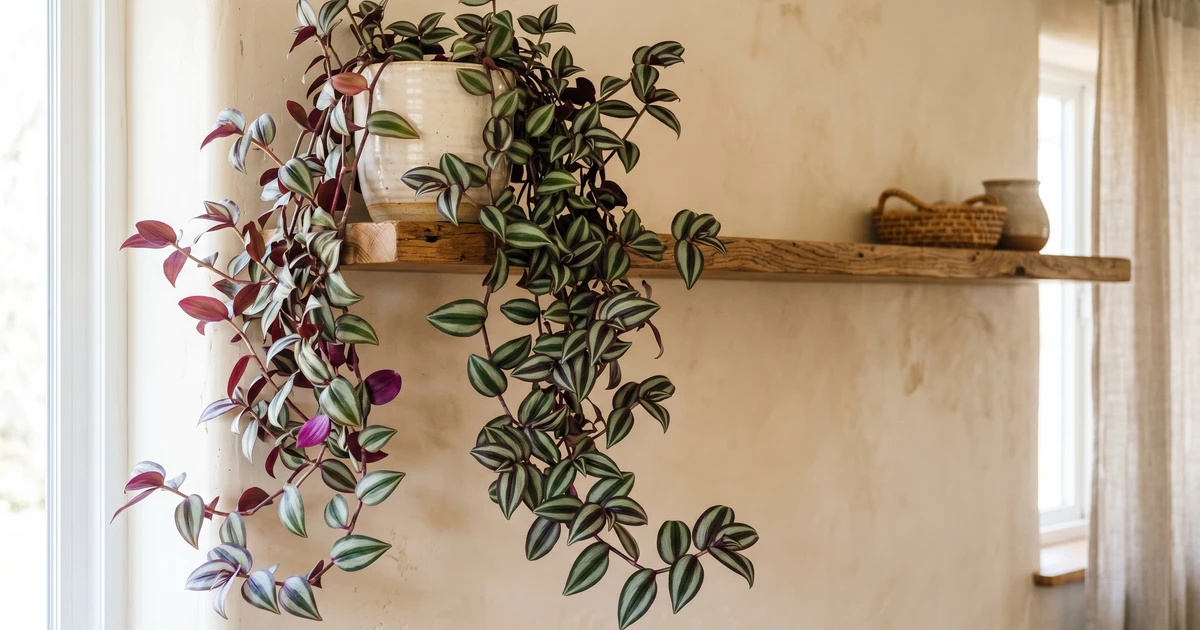
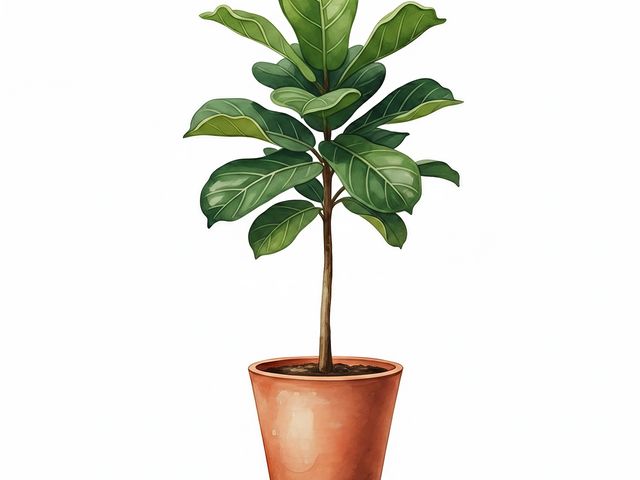
philodendron painted lady
philodendron painted lady
Evidence-based care guide for Philodendron Painted Lady (philodendron painted lady). Covers symptom diagnosis, disease treatment and pest control. Our analysis draws from 5 verified community cases with an average confidence score of 80%. Each protocol is synthesized from real rescue outcomes, not generic advice.
Care Essentials
Get to Know Your Philodendron Painted Lady
Keep an eye out for pests — regular leaf inspections catch problems early.
Light
medium to bright indirect
Most comfortable in medium to bright indirect light. Avoid prolonged direct sun exposure.
💡 Grow lights: Thrives under artificial grow lights (LED or fluorescent, 10-12 hours/day). A great option if your space lacks natural light.
Watering
every 10-14 days
Let the soil dry out significantly between waterings — this plant is very sensitive to overwatering. When in doubt, wait another day.
Humidity & Temperature
Appreciates some humidity but adapts to average home conditions. Brown tips in winter? Your air might be too dry — a light misting helps.
Sensitive to cold — keep above 55°F (13°C). Avoid placing near drafty windows or exterior doors in winter.
Soil
Standard well-draining potting mix works well. Add perlite for extra drainage if you tend to overwater.
Care Requirements
At a Glance
Care Profile in Development
While our detailed care profile is being compiled, you can find specific care guidance in the 0 care-related diagnoses below — including watering schedules, light requirements, and propagation methods from real-world cases.
Go Deeper
Philodendron Rare Guide Pack
The complete protocol: advanced care, seasonal calendars, and rescue modules. Everything on this page, plus video walkthroughs.
Start Here
Most Common Problems
Based on 5 analyzed cases — these are the issues you're most likely to encounter
Don't see your symptom? Search all 5 topics below, or run the Diagnostic.
Why are my Philodendron Painted Lady leaves turning yellow?
Yellow leaves on philodendrons develop from a small set of cultural stresses...
Why does my Philodendron Painted Lady have spider mites?
Spider mites on philodendrons are favored by warm, dry indoor air and by...
Why does my Philodendron Painted Lady have root rot?
Root rot in philodendrons follows a sour, poorly drained potting mix and...
Why does my Philodendron Painted Lady have mealybugs?
Mealybugs on philodendrons show up as white, cottony clusters tucked into the...
Why do my Philodendron Painted Lady leaves have brown tips?
Brown leaf tips and edges on philodendrons trace back to indoor air that is too...
Which of the 7 Killers
is threatening your plants?
We use Plant Grail problem records — root rot, mites, light, humidity — to rank which failures show up most. Answer 5 questions and we'll tell you which ones match your setup.
Skip the quiz — get The 7 Killers course ($19) →Question 1 of 5
How do you decide when to water your plants?
Question 2 of 5
Where do most of your plants live?
Question 3 of 5
What's your home environment like?
Question 4 of 5
Have you lost a plant in the last 6 months?
Question 5 of 5
How often do you check your plants for pests?
Your diagnosis is ready
We've identified your top 2 risk killers. Enter your email to see the full breakdown and your personalized rescue protocol.
Your plants are most at risk from:

The 7 Killers mini-course covers mechanism, rescue protocol, and prevention for the failure classes that show up most in Grail. 7 lessons. $19.
Get The 7 Killers — $19 →Get the Plant Mortality Checklist
Root rot is the largest named failure class in Plant Grail. Free PDF of the failure map and what to check first.
Your checklist is ready!
We also sent it to your inbox. Check your email for the full download.
Open the ChecklistFree. No spam. Unsubscribe anytime.
Verified Data
All Diagnoses
5 topics consolidated from 5 documented cases. Expand any topic to see all protocols.
Symptoms (2 topics · 2 cases)
Why do my Philodendron Painted Lady leaves have brown tips?
Brown leaf tips and edges on philodendrons trace back to indoor air that is too dry, water that is too cold on the foliage, and root stress from a mix that swings between bone dry and soaking wet
80%
Why do my Philodendron Painted Lady leaves have brown tips?
Brown leaf tips and edges on philodendrons trace back to indoor air that is too dry, water that is too cold on the foliage, and root stress from a mix that swings between bone dry and soaking wet
Cause
Brown leaf tips and edges on philodendrons trace back to indoor air that is too dry, water that is too cold on the foliage, and root stress from a mix that swings between bone dry and soaking wet. Kramer 1974 lists brown or yellow leaves together with dry, crumbling foliage under the heading of insufficient humidity, and lists cold water and extreme temperatures as separate causes of leaf drop and damaged edges on the same genus.
Solutions
- Move the painted lady away from hot radiators and cold drafts, group it with other tropicals or run a small humidifier so the relative humidity stays around the higher side of what philodendrons prefer, and switch to room-temperature water so cold-water shock stops etching the margins.
- Trim the brown tip back to living tissue with clean scissors following the natural leaf shape, then correct the watering rhythm so the surface dries slightly between drinks and the lower half of the pot never stays bone dry for long stretches.
Prevention
Keep humidity on the higher side for philodendrons by misting, grouping, or pebble trays, water only with tepid or room-temperature water, give bright indirect light with a brighter winter rest position, and refresh the soil every one to three years so drainage stays sharp and the root zone never goes sour.
Why are my Philodendron Painted Lady leaves turning yellow?
Yellow leaves on philodendrons develop from a small set of cultural stresses acting on the root and leaf system
80%
Why are my Philodendron Painted Lady leaves turning yellow?
Yellow leaves on philodendrons develop from a small set of cultural stresses acting on the root and leaf system
Cause
Yellow leaves on philodendrons develop from a small set of cultural stresses acting on the root and leaf system. According to Kramer's 1974 houseplant reference, brown or yellow leaves on philodendrons trace back to heat that is too high, humidity that is too low, not enough fresh air, or soil that is too dry or too wet; cold water (rather than tepid water) on the foliage produces yellow or white rings, and persistently low humidity is independently described as a cause of brown or yellow leaves alongside dry, crumbling foliage.
Solutions
- Move the plant away from hot radiators or direct sun and run a perforated clear-plastic bag over the canopy for about a week so humidity builds around the leaves while the soil is corrected, per the sick-plant recovery routine Kramer describes for philodendrons that are losing leaves.
- Switch to room-temperature water so the foliage does not get cold-water shock rings, and only water when the surface is dry; small pots, clay pots, and artificially lit plants need water more often than large plastic-potted ones, with a winter rest of about once every two weeks for large containers.
Prevention
Keep humidity up around the philodendron by misting or grouping with other tropicals, water only with tepid water, give bright indirect light with a brighter winter rest position, and refresh the soil every one to three years so drainage stays sharp and yellowing from overwet, sour soil does not start.
Diseases (1 topics · 1 cases)
Why does my Philodendron Painted Lady have root rot?
Root rot in philodendrons follows a sour, poorly drained potting mix and standing wet soil around the roots, the same condition that Kramer 1974 lists as the cause of collapse and slow growth in potted philodendrons
80%
Why does my Philodendron Painted Lady have root rot?
Root rot in philodendrons follows a sour, poorly drained potting mix and standing wet soil around the roots, the same condition that Kramer 1974 lists as the cause of collapse and slow growth in potted philodendrons
Cause
Root rot in philodendrons follows a sour, poorly drained potting mix and standing wet soil around the roots, the same condition that Kramer 1974 lists as the cause of collapse and slow growth in potted philodendrons. When water cannot escape, the root system suffocates and decay spreads up into the crown until the entire plant wilts and collapses, often after a hot spell or a cold draft that further stresses the weakened root mass.
Solutions
- Slide the rootball out of the pot, cut away any black, mushy or sour-smelling roots with a clean blade, and dust the cuts with a little powdered cinnamon or a labeled fungicide before repotting into a fresh, fast-draining mix.
- Re-pot into a container with generous drainage holes, switch to a chunkier aroid mix that drains in minutes rather than hours, and only water again when the top inch of the mix is dry to the touch.
Prevention
Use a loose, bark-rich aroid mix with perlite, keep philodendrons in pots that have working drainage holes, empty saucers after watering so roots never sit in standing water, and water only when the surface is dry so the soil stays moist but never soggy.
Pests (2 topics · 2 cases)
Why does my Philodendron Painted Lady have mealybugs?
Mealybugs on philodendrons show up as white, cottony clusters tucked into the stem and leaf axils, where the insects pierce tender tissue and drain sap, leaving the foliage undersized and the new growth spindly
80%
Why does my Philodendron Painted Lady have mealybugs?
Mealybugs on philodendrons show up as white, cottony clusters tucked into the stem and leaf axils, where the insects pierce tender tissue and drain sap, leaving the foliage undersized and the new growth spindly
Cause
Mealybugs on philodendrons show up as white, cottony clusters tucked into the stem and leaf axils, where the insects pierce tender tissue and drain sap, leaving the foliage undersized and the new growth spindly. Kramer 1974 attributes the same cluster pattern and the spindly, undersized foliage to mealybugs feeding in the axils of potted philodendrons kept indoors where the pests travel in on new plants or on reused, unsterilized potting soil.
Solutions
- Dip a cotton swab in 70 percent isopropyl alcohol and touch each visible cottony cluster so the alcohol dissolves the waxy coating and kills the insect underneath, then rinse the canopy with clear tepid water after a few minutes.
- For a heavier infestation spray the whole plant with a solution of equal parts water and rubbing alcohol, follow with a wash of soapy water and a clear rinse, and repeat every seven to ten days until no fresh cottony tufts appear in the axils.
Prevention
Quarantine new philodendrons for two to three weeks before mixing them into the collection, wipe or mist the foliage weekly with clear tepid water to discourage settlers, and inspect the stem and leaf axils on a regular schedule so any mealybug colony is caught while it is still a single cottony tuft.
Why does my Philodendron Painted Lady have spider mites?
Spider mites on philodendrons are favored by warm, dry indoor air and by foliage that is left dusty and undisturbed
80%
Why does my Philodendron Painted Lady have spider mites?
Spider mites on philodendrons are favored by warm, dry indoor air and by foliage that is left dusty and undisturbed
Cause
Spider mites on philodendrons are favored by warm, dry indoor air and by foliage that is left dusty and undisturbed. Kramer's 1974 reference describes microscopic red spider mites as a pest whose damage shows up first as fine webs at the leaf and stem axils and on the undersides, with leaves mottled, turning gray or brown and crumbly; the same source separately notes that red spider mites also turn the lower leaves brown and that a weekly wipe or mist with clear, tepid water is what keeps their eggs from accumulating.
Solutions
- Spray the whole plant vigorously from above and underneath with clear water to physically break the webs and dislodge mites, then follow up with a labeled miticide such as Dimite or Aramite applied to the tops and bottoms of the leaves.
- Isolate the infested philodendron from other houseplants, wipe down nearby pots and the windowsill, and repeat the spray on a roughly two-to-four-week interval as a preventive while recovery is underway.
Prevention
Mist or wipe the foliage weekly with clear tepid water, keep humidity on the higher side that philodendrons prefer, isolate new plants for a trial period before mixing them into the collection, and quarantine any plant that shows stippling or webbing so mites cannot spread to the rest of the indoor garden.
Common Questions
Frequently Asked Questions
Why does my philodendron painted lady have Yellow leaves?
Cause: Yellow leaves on philodendrons develop from a small set of cultural stresses acting on the root and leaf system. According to Kramer's 1974 houseplant reference, brown or yellow leaves on philodendrons trace back to heat that is too high, humidity that is too low, not enough fresh air, or soil that is too dry or too wet; cold water (rather than tepid water) on the foliage produces yellow or white rings, and persistently low humidity is independently described as a cause of brown or yellow leaves alongside dry, crumbling foliage.
Solution: Move the plant away from hot radiators or direct sun and run a perforated clear-plastic bag over the canopy for about a week so humidity builds around the leaves while the soil is corrected, per the sick-plant recovery routine Kramer describes for philodendrons that are losing leaves.
Prevention: Keep humidity up around the philodendron by misting or grouping with other tropicals, water only with tepid water, give bright indirect light with a brighter winter rest position, and refresh the soil every one to three years so drainage stays sharp and yellowing from overwet, sour soil does not start.
80% confidence · View full protocol →
Why does my philodendron painted lady have Spider mites?
Cause: Spider mites on philodendrons are favored by warm, dry indoor air and by foliage that is left dusty and undisturbed. Kramer's 1974 reference describes microscopic red spider mites as a pest whose damage shows up first as fine webs at the leaf and stem axils and on the undersides, with leaves mottled, turning gray or brown and crumbly; the same source separately notes that red spider mites also turn the lower leaves brown and that a weekly wipe or mist with clear, tepid water is what keeps their eggs from accumulating.
Solution: Spray the whole plant vigorously from above and underneath with clear water to physically break the webs and dislodge mites, then follow up with a labeled miticide such as Dimite or Aramite applied to the tops and bottoms of the leaves.
Prevention: Mist or wipe the foliage weekly with clear tepid water, keep humidity on the higher side that philodendrons prefer, isolate new plants for a trial period before mixing them into the collection, and quarantine any plant that shows stippling or webbing so mites cannot spread to the rest of the indoor garden.
80% confidence · View full protocol →
Why does my philodendron painted lady have Root rot?
Cause: Root rot in philodendrons follows a sour, poorly drained potting mix and standing wet soil around the roots, the same condition that Kramer 1974 lists as the cause of collapse and slow growth in potted philodendrons. When water cannot escape, the root system suffocates and decay spreads up into the crown until the entire plant wilts and collapses, often after a hot spell or a cold draft that further stresses the weakened root mass.
Solution: Slide the rootball out of the pot, cut away any black, mushy or sour-smelling roots with a clean blade, and dust the cuts with a little powdered cinnamon or a labeled fungicide before repotting into a fresh, fast-draining mix.
Prevention: Use a loose, bark-rich aroid mix with perlite, keep philodendrons in pots that have working drainage holes, empty saucers after watering so roots never sit in standing water, and water only when the surface is dry so the soil stays moist but never soggy.
80% confidence · View full protocol →
Why does my philodendron painted lady have Mealybugs?
Cause: Mealybugs on philodendrons show up as white, cottony clusters tucked into the stem and leaf axils, where the insects pierce tender tissue and drain sap, leaving the foliage undersized and the new growth spindly. Kramer 1974 attributes the same cluster pattern and the spindly, undersized foliage to mealybugs feeding in the axils of potted philodendrons kept indoors where the pests travel in on new plants or on reused, unsterilized potting soil.
Solution: Dip a cotton swab in 70 percent isopropyl alcohol and touch each visible cottony cluster so the alcohol dissolves the waxy coating and kills the insect underneath, then rinse the canopy with clear tepid water after a few minutes.
Prevention: Quarantine new philodendrons for two to three weeks before mixing them into the collection, wipe or mist the foliage weekly with clear tepid water to discourage settlers, and inspect the stem and leaf axils on a regular schedule so any mealybug colony is caught while it is still a single cottony tuft.
80% confidence · View full protocol →
Why does my philodendron painted lady have Brown tips?
Cause: Brown leaf tips and edges on philodendrons trace back to indoor air that is too dry, water that is too cold on the foliage, and root stress from a mix that swings between bone dry and soaking wet. Kramer 1974 lists brown or yellow leaves together with dry, crumbling foliage under the heading of insufficient humidity, and lists cold water and extreme temperatures as separate causes of leaf drop and damaged edges on the same genus.
Solution: Move the painted lady away from hot radiators and cold drafts, group it with other tropicals or run a small humidifier so the relative humidity stays around the higher side of what philodendrons prefer, and switch to room-temperature water so cold-water shock stops etching the margins.
Prevention: Keep humidity on the higher side for philodendrons by misting, grouping, or pebble trays, water only with tepid or room-temperature water, give bright indirect light with a brighter winter rest position, and refresh the soil every one to three years so drainage stays sharp and the root zone never goes sour.
80% confidence · View full protocol →
Common Questions
Frequently Asked About Philodendron Painted Lady
What problems can Philodendron Painted Lady get?
Our database contains 5 documented Philodendron Painted Lady cases covering 5 distinct topics, including diseases, pest identification, environmental stress, propagation, and advanced care protocols — each with verified solutions.
Master This Plant
Want the Complete Protocol?
Get the Philodendron Rare Guide Pack with video walkthroughs, seasonal calendars, and advanced rescue techniques not covered in the free guides.