
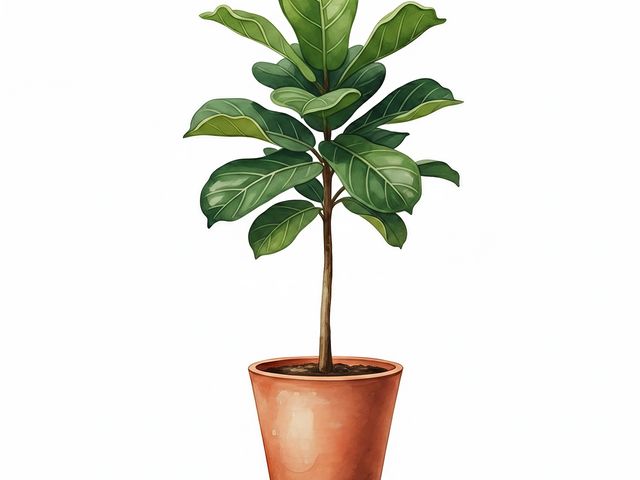
phoenix canariensis
Evidence-based care guide for Phoenix Canariensis (). Our analysis draws from 1 verified community cases with an average confidence score of 85%. Each protocol is synthesized from real rescue outcomes, not generic advice.
Care Essentials
Get to Know Your Phoenix Canariensis
The #1 killer? Overwatering. Let the soil dry between waterings and your Phoenix Canariensis will thrive.
Light
medium to bright indirect
Most comfortable in medium to bright indirect light. Avoid prolonged direct sun exposure.
💡 Grow lights: Thrives under artificial grow lights (LED or fluorescent, 10-12 hours/day). A great option if your space lacks natural light.
Watering
every 10-14 days
Let the soil dry out significantly between waterings — this plant is very sensitive to overwatering. When in doubt, wait another day.
Humidity & Temperature
Not fussy about humidity. Handles average indoor conditions without issue.
Standard room temperature (60-80°F / 15-27°C) is perfect. Avoid cold drafts and sudden temperature swings.
Soil
Standard well-draining potting mix works well. Add perlite for extra drainage if you tend to overwater.
Care Requirements
At a Glance
Care Profile in Development
While our detailed care profile is being compiled, you can find specific care guidance in the 1 care-related diagnoses below — including watering schedules, light requirements, and propagation methods from real-world cases.
Start Here
Most Common Problems
Based on 1 analyzed cases — these are the issues you're most likely to encounter
Don't see your symptom? Search all 1 topics below, or run the Diagnostic.
Which of the 7 Killers
is threatening your plants?
We analyzed 1,616 documented plant deaths to identify the 7 causes behind 78% of all losses. Answer 5 questions — we'll tell you exactly which ones apply to your setup.
Skip the quiz — get The 7 Killers course ($19) →Question 1 of 5
How do you decide when to water your plants?
Question 2 of 5
Where do most of your plants live?
Question 3 of 5
What's your home environment like?
Question 4 of 5
Have you lost a plant in the last 6 months?
Question 5 of 5
How often do you check your plants for pests?
Your diagnosis is ready
We've identified your top 2 risk killers. Enter your email to see the full breakdown and your personalized rescue protocol.
Your plants are most at risk from:

The 7 Killers mini-course covers every one of these in depth — mechanism, rescue protocol, prevention. 1,616 cases. 7 lessons. $19.
Get The 7 Killers — $19 →Get the Plant Mortality Checklist
The 7 killers behind 78% of houseplant deaths — and the exact fix for each. Free PDF based on 1,616 documented cases.
Your checklist is ready!
We also sent it to your inbox. Check your email for the full download.
Open the ChecklistFree. No spam. Unsubscribe anytime.
Verified Data
All Diagnoses
1 topics consolidated from 1 documented cases. Expand any topic to see all protocols.
Care Methods (1 topics · 1 cases)
Care Basics: Phoenix Canariensis Guide
Phoenix canariensis (Canary Island date palm) and P
85%
Care Basics: Phoenix Canariensis Guide
Phoenix canariensis (Canary Island date palm) and P
Cause
Phoenix canariensis (Canary Island date palm) and P. roebelenii (pygmy date palm) from tropical Asia and Africa require bright light, warm temperatures 13-27C (55-80F), and careful watering to prevent root rot while maintaining growth
Solutions
- 1. Provide bright light including some direct sun; Phoenix species tolerate brighter conditions than most indoor palms
- 2. Maintain 13-16C (55-61F) in winter, up to 27C (80F) in summer for optimal growth
- 3. Water freely in summer allowing compost to dry slightly between waterings; reduce in cooler months
- 4. Feed regularly during growing season with balanced fertilizer; palms are slow-growing long-term investments
Prevention
Never allow roots to sit in water; use well-draining soil-based compost and protect from cold draughts below 10C (50F)
Common Questions
Frequently Asked Questions
Why does my phoenix canariensis have Care basics?
Cause: Phoenix canariensis (Canary Island date palm) and P. roebelenii (pygmy date palm) from tropical Asia and Africa require bright light, warm temperatures 13-27C (55-80F), and careful watering to prevent root rot while maintaining growth
Solution: 1. Provide bright light including some direct sun; Phoenix species tolerate brighter conditions than most indoor palms
Prevention: Never allow roots to sit in water; use well-draining soil-based compost and protect from cold draughts below 10C (50F)
85% confidence · View full protocol →
Common Questions
Frequently Asked About Phoenix Canariensis
What problems can Phoenix Canariensis get?
Our database contains 1 documented Phoenix Canariensis cases covering 1 distinct topics, including diseases, pest identification, environmental stress, propagation, and advanced care protocols — each with verified solutions.
Structured Learning
Ready to Go Deeper?
Explore our Mastery Packs for structured, video-based learning with step-by-step protocols from 20,000+ analyzed plant cases.
Browse All Courses →