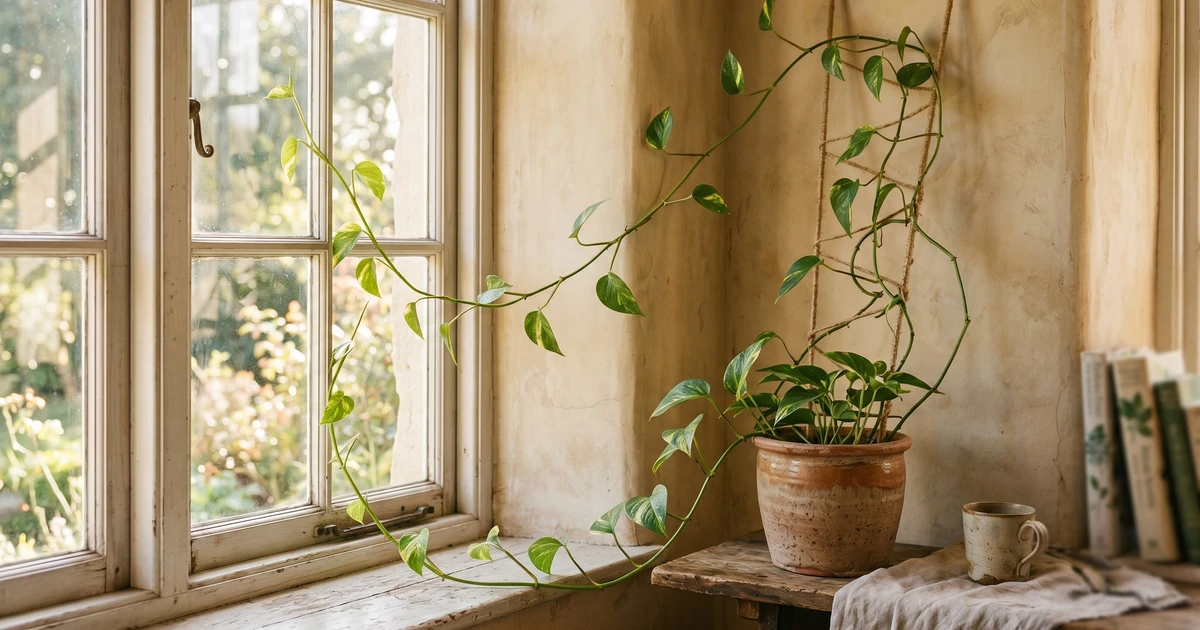
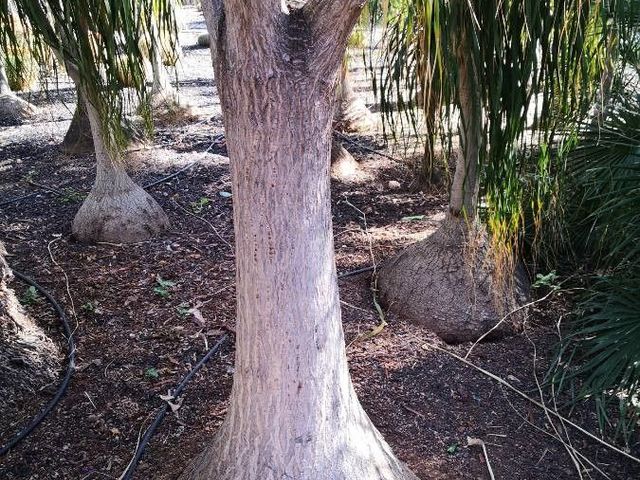
ponytail palm
Beaucarnea recurvata
Evidence-based care guide for Ponytail Palm (Beaucarnea recurvata). Covers symptom diagnosis, disease treatment, pest control and watering. Our analysis draws from 7 verified community cases with an average confidence score of 84%. Each protocol is synthesized from real rescue outcomes, not generic advice.
Care Essentials
Get to Know Your Ponytail Palm
The #1 killer? Overwatering. Let the soil dry between waterings and your Ponytail Palm will thrive.
Light
medium to bright indirect
Tolerates lower light but grows best in medium to bright indirect light. Can get leggy without enough light.
💡 Grow lights: Thrives under artificial grow lights (LED or fluorescent, 10-12 hours/day). A great option if your space lacks natural light.
Watering
every 7-10 days
Water when the top 1-2 inches of soil feel dry. Adjust with the seasons — less in winter, more in summer.
Humidity & Temperature
Appreciates some humidity but adapts to average home conditions. Brown tips in winter? Your air might be too dry — a light misting helps.
Standard room temperature (60-80°F / 15-27°C) is perfect. Avoid cold drafts and sudden temperature swings.
Soil
Standard well-draining potting mix works well. Add perlite for extra drainage if you tend to overwater.
Care Requirements
At a Glance
Care Profile in Development
While our detailed care profile is being compiled, you can find specific care guidance in the 1 care-related diagnoses below — including watering schedules, light requirements, and propagation methods from real-world cases.
Start Here
Most Common Problems
Based on 7 analyzed cases — these are the issues you're most likely to encounter
Don't see your symptom? Search all 6 topics below, or run the Diagnostic.
Why does my Ponytail Palm have root rot?
The bulbous trunk (caudex) stores significant water; frequent watering leads to...
Ponytail Palm: Buried Caudex
Burying the bulbous water-storing base (caudex) below the soil line traps...
Is my Ponytail Palm underwatered?
Extended periods without water deplete the caudex storage, leading to a...
Why are my Ponytail Palm leaves turning yellow?
The ponytail palm stores water in its swollen caudex, so it tolerates dry...
Why does my Ponytail Palm have mealybugs?
Beaucarnea recurvata is classed as a succulent because of its bulbous,...
Which of the 7 Killers
is threatening your plants?
We use Plant Grail problem records — root rot, mites, light, humidity — to rank which failures show up most. Answer 5 questions and we'll tell you which ones match your setup.
Skip the quiz — get The 7 Killers course ($19) →Question 1 of 5
How do you decide when to water your plants?
Question 2 of 5
Where do most of your plants live?
Question 3 of 5
What's your home environment like?
Question 4 of 5
Have you lost a plant in the last 6 months?
Question 5 of 5
How often do you check your plants for pests?
Your diagnosis is ready
We've identified your top 2 risk killers. Enter your email to see the full breakdown and your personalized rescue protocol.
Your plants are most at risk from:

The 7 Killers mini-course covers mechanism, rescue protocol, and prevention for the failure classes that show up most in Grail. 7 lessons. $19.
Get The 7 Killers — $19 →Get the Plant Mortality Checklist
Root rot is the largest named failure class in Plant Grail. Free PDF of the failure map and what to check first.
Your checklist is ready!
We also sent it to your inbox. Check your email for the full download.
Open the ChecklistFree. No spam. Unsubscribe anytime.
Verified Data
All Diagnoses
6 topics from 7 Grail records. Expand any topic to see the protocol.
Symptoms (2 topics · 2 cases)
Why do my Ponytail Palm leaves have brown tips?
Sensitivity to fluoride and chlorine in tap water, combined with low indoor humidity, causes necrotic tissue at the leaf extremities
80%
Why do my Ponytail Palm leaves have brown tips?
Sensitivity to fluoride and chlorine in tap water, combined with low indoor humidity, causes necrotic tissue at the leaf extremities
Cause
Sensitivity to fluoride and chlorine in tap water, combined with low indoor humidity, causes necrotic tissue at the leaf extremities.
Solutions
- Switch to distilled water, rainwater, or filtered water to avoid mineral accumulation.
- Trim brown tips diagonally with sharp, sterilized scissors to mimic natural leaf shape.
- Group with other plants or use a pebble tray to localized humidity to 40-50%.
Prevention
Flush the soil with distilled water every few months to remove salt buildup from fertilizers.
Why are my Ponytail Palm leaves turning yellow?
The ponytail palm stores water in its swollen caudex, so it tolerates dry periods, but inconsistent watering cycles (alternating bone-dry soil with sudden saturation, or letting the potting medium stay wet) cause the strappy leaves to yellow and the plant to shed its oldest leaves, leaving bare stems behind
80%
Why are my Ponytail Palm leaves turning yellow?
The ponytail palm stores water in its swollen caudex, so it tolerates dry periods, but inconsistent watering cycles (alternating bone-dry soil with sudden saturation, or letting the potting medium stay wet) cause the strappy leaves to yellow and the plant to shed its oldest leaves, leaving bare stems behind
Cause
The ponytail palm stores water in its swollen caudex, so it tolerates dry periods, but inconsistent watering cycles (alternating bone-dry soil with sudden saturation, or letting the potting medium stay wet) cause the strappy leaves to yellow and the plant to shed its oldest leaves, leaving bare stems behind.
Solutions
- Let the potting medium become almost completely dry between waterings, then water thoroughly until it drains from the pot.
- Use a clay (unglazed terracotta) pot so excess moisture evaporates through the walls and the soil does not become waterlogged.
- Trim long bare stems back to the soil level; new shoots will sprout from the cut, restoring a fuller silhouette.
Prevention
Keep the plant in the brightest available light and only water when the caudex feels slightly soft and the mix is nearly bone dry, so swings between drought and saturation stay small.
Diseases (1 topics · 1 cases)
Why does my Ponytail Palm have root rot?
The bulbous trunk (caudex) stores significant water; frequent watering leads to soil saturation and anaerobic conditions, causing root and stem base decay
90%
Why does my Ponytail Palm have root rot?
The bulbous trunk (caudex) stores significant water; frequent watering leads to soil saturation and anaerobic conditions, causing root and stem base decay
Cause
The bulbous trunk (caudex) stores significant water; frequent watering leads to soil saturation and anaerobic conditions, causing root and stem base decay.
Solutions
- Remove plant from pot and trim all mushy, brown, or foul-smelling roots back to healthy white tissue.
- Repot in a well-draining cactus or succulent mix amended with 30-50% perlite or pumice.
- Ensure the pot has adequate drainage holes and is not oversized.
- Water only when the soil is 100% dry, typically every 3-4 weeks.
Prevention
Allow the trunk to show slight shrinking as a watering cue; use unglazed terracotta pots to help wick excess moisture.
Pests (1 topics · 1 cases)
Why does my Ponytail Palm have mealybugs?
Beaucarnea recurvata is classed as a succulent because of its bulbous, water-storing trunk, and like other succulents it becomes a host for mealybugs when air circulation is poor; mealybugs resemble bits of cotton, hide in leaf axils where the long strappy leaves join the caudex, and suck juices from stems and leaves, eventually stunting the plant
80%
Why does my Ponytail Palm have mealybugs?
Beaucarnea recurvata is classed as a succulent because of its bulbous, water-storing trunk, and like other succulents it becomes a host for mealybugs when air circulation is poor; mealybugs resemble bits of cotton, hide in leaf axils where the long strappy leaves join the caudex, and suck juices from stems and leaves, eventually stunting the plant
Cause
Beaucarnea recurvata is classed as a succulent because of its bulbous, water-storing trunk, and like other succulents it becomes a host for mealybugs when air circulation is poor; mealybugs resemble bits of cotton, hide in leaf axils where the long strappy leaves join the caudex, and suck juices from stems and leaves, eventually stunting the plant.
Solutions
- Improve air circulation around the plant so the leaf axils where the trunk meets the foliage stay dry and less hospitable to mealybugs.
- Spray the plant with isopropyl (rubbing) alcohol diluted half-and-half with distilled water, reaching into the leaf axils where the cottony pests hide.
- Isolate any heavily infested plant from healthy neighbors and, for stubborn colonies, daub individual mealybugs with a cotton swab saturated in alcohol.
Prevention
Quarantine newly purchased plants, give the ponytail palm the brightest light and best airflow the room allows, and inspect the caudex and leaf axils at every watering for fresh cottony deposits.
Watering Issues (1 topics · 1 cases)
Is my Ponytail Palm underwatered?
Extended periods without water deplete the caudex storage, leading to a shrunken, wrinkled trunk and limp, curled foliage
85%
Is my Ponytail Palm underwatered?
Extended periods without water deplete the caudex storage, leading to a shrunken, wrinkled trunk and limp, curled foliage
Cause
Extended periods without water deplete the caudex storage, leading to a shrunken, wrinkled trunk and limp, curled foliage.
Solutions
- Perform a bottom-watering soak by placing the pot in a basin of water for 45-60 minutes until the soil is saturated.
- Allow excess water to drain completely before returning to its decorative pot.
- Resume watering only after the soil has fully dried out again.
Prevention
Monitor the firmness of the trunk; a soft but non-mushy trunk indicates it is time to water.
Other Topics (1 topics · 1 cases)
Ponytail Palm: Buried Caudex
Burying the bulbous water-storing base (caudex) below the soil line traps moisture against the stem tissue, causing basal rot
90%
Ponytail Palm: Buried Caudex
Burying the bulbous water-storing base (caudex) below the soil line traps moisture against the stem tissue, causing basal rot
Cause
Burying the bulbous water-storing base (caudex) below the soil line traps moisture against the stem tissue, causing basal rot.
Solutions
- Unpot the plant and clear soil away until the top 1/3 to 1/2 of the caudex is exposed above the soil line.
- Use a gritty, fast-draining substrate to ensure the surface area dries quickly.
- Inspect the base for soft spots; treat with diluted hydrogen peroxide if minor rot is detected.
Prevention
Always pot Ponytail Palms high in the container; the base should sit prominently above the soil.
Common Questions
Frequently Asked Questions
Why does my ponytail palm have Root rot?
Cause: The bulbous trunk (caudex) stores significant water; frequent watering leads to soil saturation and anaerobic conditions, causing root and stem base decay.
Solution: Remove plant from pot and trim all mushy, brown, or foul-smelling roots back to healthy white tissue.
Prevention: Allow the trunk to show slight shrinking as a watering cue; use unglazed terracotta pots to help wick excess moisture.
90% confidence · View full protocol →
Why does my ponytail palm have Buried caudex?
Cause: Burying the bulbous water-storing base (caudex) below the soil line traps moisture against the stem tissue, causing basal rot.
Solution: Unpot the plant and clear soil away until the top 1/3 to 1/2 of the caudex is exposed above the soil line.
Prevention: Always pot Ponytail Palms high in the container; the base should sit prominently above the soil.
90% confidence · View full protocol →
Why does my ponytail palm have Underwatering?
Cause: Extended periods without water deplete the caudex storage, leading to a shrunken, wrinkled trunk and limp, curled foliage.
Solution: Perform a bottom-watering soak by placing the pot in a basin of water for 45-60 minutes until the soil is saturated.
Prevention: Monitor the firmness of the trunk; a soft but non-mushy trunk indicates it is time to water.
85% confidence · View full protocol →
Why does my ponytail palm have Yellow leaves?
Cause: The ponytail palm stores water in its swollen caudex, so it tolerates dry periods, but inconsistent watering cycles (alternating bone-dry soil with sudden saturation, or letting the potting medium stay wet) cause the strappy leaves to yellow and the plant to shed its oldest leaves, leaving bare stems behind.
Solution: Let the potting medium become almost completely dry between waterings, then water thoroughly until it drains from the pot.
Prevention: Keep the plant in the brightest available light and only water when the caudex feels slightly soft and the mix is nearly bone dry, so swings between drought and saturation stay small.
80% confidence · View full protocol →
Why does my ponytail palm have Mealybugs?
Cause: Beaucarnea recurvata is classed as a succulent because of its bulbous, water-storing trunk, and like other succulents it becomes a host for mealybugs when air circulation is poor; mealybugs resemble bits of cotton, hide in leaf axils where the long strappy leaves join the caudex, and suck juices from stems and leaves, eventually stunting the plant.
Solution: Improve air circulation around the plant so the leaf axils where the trunk meets the foliage stay dry and less hospitable to mealybugs.
Prevention: Quarantine newly purchased plants, give the ponytail palm the brightest light and best airflow the room allows, and inspect the caudex and leaf axils at every watering for fresh cottony deposits.
80% confidence · View full protocol →
Common Questions
Frequently Asked About Ponytail Palm
What problems can Ponytail Palm get?
Plant Grail records 7 Ponytail Palm problems, including pests, watering stress, and environmental damage, each with a fix.
Structured Learning
Ready to Go Deeper?
Explore our Mastery Packs for structured, video-based learning with step-by-step protocols from 4,272 analyzed plant cases.
Browse All Courses →