
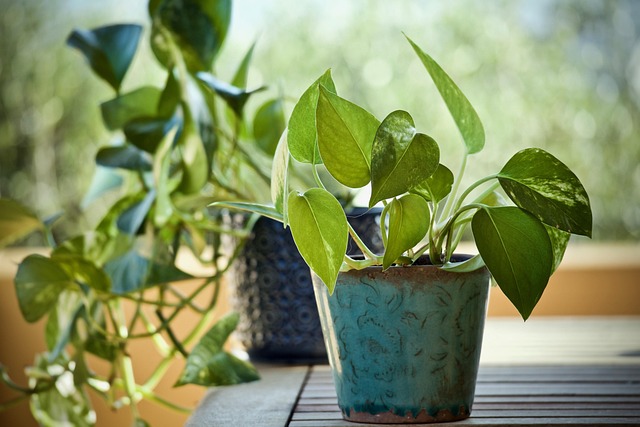
pothos manjula
pothos manjula
Evidence-based care guide for Pothos Manjula (pothos manjula). Covers disease treatment, symptom diagnosis and pest control. Our analysis draws from 4 verified community cases with an average confidence score of 80%. Each protocol is synthesized from real rescue outcomes, not generic advice.
Care Essentials
Get to Know Your Pothos Manjula
Light is everything for this plant. Get the placement right and everything else falls into place.
Light
medium to bright indirect
Most comfortable in medium to bright indirect light. Avoid prolonged direct sun exposure.
💡 Grow lights: Thrives under artificial grow lights (LED or fluorescent, 10-12 hours/day). A great option if your space lacks natural light.
Watering
every 10-14 days
Let the soil dry out significantly between waterings — this plant is very sensitive to overwatering. When in doubt, wait another day.
Humidity & Temperature
Not fussy about humidity. Handles average indoor conditions without issue.
Standard room temperature (60-80°F / 15-27°C) is perfect. Avoid cold drafts and sudden temperature swings.
Soil
Standard well-draining potting mix works well. Add perlite for extra drainage if you tend to overwater.
Care Requirements
At a Glance
Care Profile in Development
While our detailed care profile is being compiled, you can find specific care guidance in the 0 care-related diagnoses below — including watering schedules, light requirements, and propagation methods from real-world cases.
Go Deeper
Pothos Blueprint Pack
The complete protocol: advanced care, seasonal calendars, and rescue modules. Everything on this page, plus video walkthroughs.
Start Here
Most Common Problems
Based on 4 analyzed cases — these are the issues you're most likely to encounter
Don't see your symptom? Search all 4 topics below, or run the Diagnostic.
Why does my Pothos Manjula have root rot?
Pothos (Epipremnum aureum, the species that includes pothos manjula) is...
Why are my Pothos Manjula leaves turning yellow?
Pothos (Epipremnum aureum, the species pothos manjula belongs to) is forgiving...
Why does my Pothos Manjula have mealybugs?
Mealybugs occasionally infest pothos (Epipremnum aureum, the species pothos...
What are these brown spots on my Pothos Manjula?
Pothos (Epipremnum aureum, the species pothos manjula belongs to) develops...
Which of the 7 Killers
is threatening your plants?
We use Plant Grail problem records — root rot, mites, light, humidity — to rank which failures show up most. Answer 5 questions and we'll tell you which ones match your setup.
Skip the quiz — get The 7 Killers course ($19) →Question 1 of 5
How do you decide when to water your plants?
Question 2 of 5
Where do most of your plants live?
Question 3 of 5
What's your home environment like?
Question 4 of 5
Have you lost a plant in the last 6 months?
Question 5 of 5
How often do you check your plants for pests?
Your diagnosis is ready
We've identified your top 2 risk killers. Enter your email to see the full breakdown and your personalized rescue protocol.
Your plants are most at risk from:

The 7 Killers mini-course covers mechanism, rescue protocol, and prevention for the failure classes that show up most in Grail. 7 lessons. $19.
Get The 7 Killers — $19 →Get the Plant Mortality Checklist
Root rot is the largest named failure class in Plant Grail. Free PDF of the failure map and what to check first.
Your checklist is ready!
We also sent it to your inbox. Check your email for the full download.
Open the ChecklistFree. No spam. Unsubscribe anytime.
Verified Data
All Diagnoses
4 topics consolidated from 4 documented cases. Expand any topic to see all protocols.
Symptoms (2 topics · 2 cases)
What are these brown spots on my Pothos Manjula?
Pothos (Epipremnum aureum, the species pothos manjula belongs to) develops brown spots surrounded by yellow halos when infected with bacterial leaf spot, a disease encouraged by moisture sitting on the foliage
80%
What are these brown spots on my Pothos Manjula?
Pothos (Epipremnum aureum, the species pothos manjula belongs to) develops brown spots surrounded by yellow halos when infected with bacterial leaf spot, a disease encouraged by moisture sitting on the foliage
Cause
Pothos (Epipremnum aureum, the species pothos manjula belongs to) develops brown spots surrounded by yellow halos when infected with bacterial leaf spot, a disease encouraged by moisture sitting on the foliage. Because pothos manjula leaves are broad and slightly cupped, water that lands on them during watering can linger long enough for bacteria to enter the leaf tissue.
Solutions
- Clip off affected leaves, or entire branches that hold many spotted leaves, with clean, sharp scissors and dispose of the clippings rather than composting them.
- Keep leaves dry when watering the plant by directing water at the soil rather than over the foliage, and improve air circulation around the plant so leaves dry quickly after any misting.
Prevention
Water pothos manjula at the soil level rather than overhead, allow the top of the soil to dry between waterings, and provide bright, indirect light with gentle airflow so the leaves never stay wet for long.
Why are my Pothos Manjula leaves turning yellow?
Pothos (Epipremnum aureum, the species pothos manjula belongs to) is forgiving of occasional dry conditions but will develop yellowing leaves and may drop its oldest leaves, leaving bare stems behind
80%
Why are my Pothos Manjula leaves turning yellow?
Pothos (Epipremnum aureum, the species pothos manjula belongs to) is forgiving of occasional dry conditions but will develop yellowing leaves and may drop its oldest leaves, leaving bare stems behind
Cause
Pothos (Epipremnum aureum, the species pothos manjula belongs to) is forgiving of occasional dry conditions but will develop yellowing leaves and may drop its oldest leaves, leaving bare stems behind. Houseplant authorities also note that the yellow markings many buyers see on a new pothos will disappear on new growth if the plant is placed in too little light, so a variegated pothos manjula that loses its cream-and-green pattern is signalling it needs more light. Continued yellowing of leaves is usually due to too much water or transplant trauma after repotting.
Solutions
- Move the plant to a location with higher light so new growth again displays the yellow or cream markings characteristic of pothos manjula, and trim long stems back to the soil level to keep the plant full.
- If yellowing continues after a few weeks, check that the pot drains freely and allow the soil to dry slightly between waterings, since a few weeks after repotting pothos often shed a few leaves as they recover.
Prevention
Keep pothos manjula in bright, indirect light and rotate the pot so growth stays even; water only when the top of the soil is dry; and trim leggy stems back to the soil so new shoots emerge from the base and keep the plant full.
Diseases (1 topics · 1 cases)
Why does my Pothos Manjula have root rot?
Pothos (Epipremnum aureum, the species that includes pothos manjula) is described as forgiving of most care mistakes, but cannot stand waterlogged soil; overwatering is the only serious mistake growers typically make, and freshly repotted plants are especially vulnerable because they appreciate somewhat dry conditions while recovering from the change
80%
Why does my Pothos Manjula have root rot?
Pothos (Epipremnum aureum, the species that includes pothos manjula) is described as forgiving of most care mistakes, but cannot stand waterlogged soil; overwatering is the only serious mistake growers typically make, and freshly repotted plants are especially vulnerable because they appreciate somewhat dry conditions while recovering from the change
Cause
Pothos (Epipremnum aureum, the species that includes pothos manjula) is described as forgiving of most care mistakes, but cannot stand waterlogged soil; overwatering is the only serious mistake growers typically make, and freshly repotted plants are especially vulnerable because they appreciate somewhat dry conditions while recovering from the change. Peer-reviewed work on Epipremnum aureum names Rhizoctonia solani and Sclerotium rolfsii, soil-borne fungi that persist as vegetative mycelium and/or sclerotia, as the pathogens behind pothos root rot, drastically reducing root length, root fresh weight, and root dry weight of infected plants.
Solutions
- Check the bottom of the pot to make sure the drainage holes are clear, allow soil to dry slightly between waterings, and never allow the base of the plant to sit in standing water.
- If root rot has set in, propagate a few healthy stem tip cuttings, then dispose of the rotting plant and its soil, and thoroughly clean the container before using it to grow another houseplant.
Prevention
Use a well-draining potting mix and a container with clear drainage holes; water only when the top of the soil has dried, especially right after repotting; and reduce watering frequency in winter.
Pests (1 topics · 1 cases)
Why does my Pothos Manjula have mealybugs?
Mealybugs occasionally infest pothos (Epipremnum aureum, the species pothos manjula belongs to), which is normally a remarkably pest-free plant, but when they do show up they appear as white, cottony masses on stems or leaf undersides where they feed on plant sap
80%
Why does my Pothos Manjula have mealybugs?
Mealybugs occasionally infest pothos (Epipremnum aureum, the species pothos manjula belongs to), which is normally a remarkably pest-free plant, but when they do show up they appear as white, cottony masses on stems or leaf undersides where they feed on plant sap
Cause
Mealybugs occasionally infest pothos (Epipremnum aureum, the species pothos manjula belongs to), which is normally a remarkably pest-free plant, but when they do show up they appear as white, cottony masses on stems or leaf undersides where they feed on plant sap. Pothos manjula's dense, variegated foliage offers plenty of leaf joints and stem crevices where the insects can settle unnoticed.
Solutions
- Remove mealybugs by dabbing each white, cottony mass with a cotton swab dipped in rubbing alcohol, taking care to reach into the leaf joints where the insects hide.
- If the infestation is widespread, repeat the alcohol treatment after 1 week and isolate the plant from nearby houseplants until no new cottony masses appear.
Prevention
Inspect new plants and any pothos manjula that has spent time outdoors before bringing them back indoors; wipe the leaves periodically so cottony masses are noticed early; and keep the plant in good light with steady airflow so a small population cannot establish.
Common Questions
Frequently Asked Questions
Why does my pothos manjula have Root rot?
Cause: Pothos (Epipremnum aureum, the species that includes pothos manjula) is described as forgiving of most care mistakes, but cannot stand waterlogged soil; overwatering is the only serious mistake growers typically make, and freshly repotted plants are especially vulnerable because they appreciate somewhat dry conditions while recovering from the change. Peer-reviewed work on Epipremnum aureum names Rhizoctonia solani and Sclerotium rolfsii, soil-borne fungi that persist as vegetative mycelium and/or sclerotia, as the pathogens behind pothos root rot, drastically reducing root length, root fresh weight, and root dry weight of infected plants.
Solution: Check the bottom of the pot to make sure the drainage holes are clear, allow soil to dry slightly between waterings, and never allow the base of the plant to sit in standing water.
Prevention: Use a well-draining potting mix and a container with clear drainage holes; water only when the top of the soil has dried, especially right after repotting; and reduce watering frequency in winter.
80% confidence · View full protocol →
Why does my pothos manjula have Yellow leaves?
Cause: Pothos (Epipremnum aureum, the species pothos manjula belongs to) is forgiving of occasional dry conditions but will develop yellowing leaves and may drop its oldest leaves, leaving bare stems behind. Houseplant authorities also note that the yellow markings many buyers see on a new pothos will disappear on new growth if the plant is placed in too little light, so a variegated pothos manjula that loses its cream-and-green pattern is signalling it needs more light. Continued yellowing of leaves is usually due to too much water or transplant trauma after repotting.
Solution: Move the plant to a location with higher light so new growth again displays the yellow or cream markings characteristic of pothos manjula, and trim long stems back to the soil level to keep the plant full.
Prevention: Keep pothos manjula in bright, indirect light and rotate the pot so growth stays even; water only when the top of the soil is dry; and trim leggy stems back to the soil so new shoots emerge from the base and keep the plant full.
80% confidence · View full protocol →
Why does my pothos manjula have Mealybugs?
Cause: Mealybugs occasionally infest pothos (Epipremnum aureum, the species pothos manjula belongs to), which is normally a remarkably pest-free plant, but when they do show up they appear as white, cottony masses on stems or leaf undersides where they feed on plant sap. Pothos manjula's dense, variegated foliage offers plenty of leaf joints and stem crevices where the insects can settle unnoticed.
Solution: Remove mealybugs by dabbing each white, cottony mass with a cotton swab dipped in rubbing alcohol, taking care to reach into the leaf joints where the insects hide.
Prevention: Inspect new plants and any pothos manjula that has spent time outdoors before bringing them back indoors; wipe the leaves periodically so cottony masses are noticed early; and keep the plant in good light with steady airflow so a small population cannot establish.
80% confidence · View full protocol →
Why does my pothos manjula have Brown spots?
Cause: Pothos (Epipremnum aureum, the species pothos manjula belongs to) develops brown spots surrounded by yellow halos when infected with bacterial leaf spot, a disease encouraged by moisture sitting on the foliage. Because pothos manjula leaves are broad and slightly cupped, water that lands on them during watering can linger long enough for bacteria to enter the leaf tissue.
Solution: Clip off affected leaves, or entire branches that hold many spotted leaves, with clean, sharp scissors and dispose of the clippings rather than composting them.
Prevention: Water pothos manjula at the soil level rather than overhead, allow the top of the soil to dry between waterings, and provide bright, indirect light with gentle airflow so the leaves never stay wet for long.
80% confidence · View full protocol →
Common Questions
Frequently Asked About Pothos Manjula
What problems can Pothos Manjula get?
Our database contains 4 documented Pothos Manjula cases covering 4 distinct topics, including diseases, pest identification, environmental stress, propagation, and advanced care protocols — each with verified solutions.
Master This Plant
Want the Complete Protocol?
Get the Pothos Blueprint Pack with video walkthroughs, seasonal calendars, and advanced rescue techniques not covered in the free guides.