
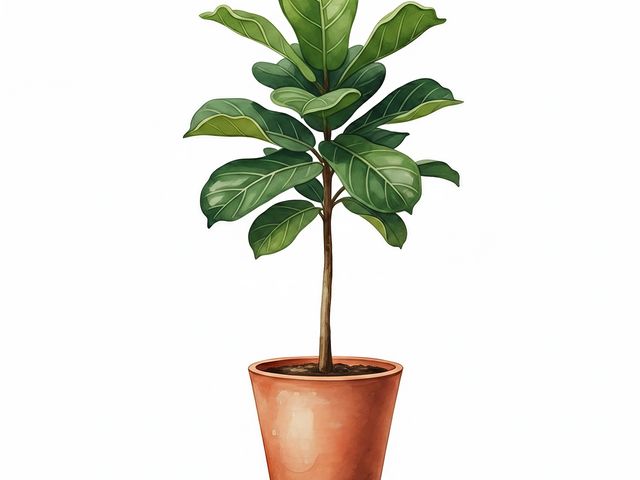
rhaphidophora tetrasperma variegated
Evidence-based care guide for Rhaphidophora Tetrasperma Variegated (). Covers lighting. Our analysis draws from 1 verified community cases with an average confidence score of 85%. Each protocol is synthesized from real rescue outcomes, not generic advice.
Care Essentials
Get to Know Your Rhaphidophora Tetrasperma Variegated
Light is everything for this plant. Get the placement right and everything else falls into place.
Light
bright indirect
Does best in bright, indirect light. A spot near a window with filtered light is ideal.
💡 Grow lights: Thrives under artificial grow lights (LED or fluorescent, 10-12 hours/day). A great option if your space lacks natural light.
Watering
every 7-10 days
Water when the top 1-2 inches of soil feel dry. Adjust with the seasons — less in winter, more in summer.
Humidity & Temperature
Not fussy about humidity. Handles average indoor conditions without issue.
Standard room temperature (60-80°F / 15-27°C) is perfect. Avoid cold drafts and sudden temperature swings.
Soil
Standard well-draining potting mix works well. Add perlite for extra drainage if you tend to overwater.
Care Requirements
At a Glance
Care Profile in Development
While our detailed care profile is being compiled, you can find specific care guidance in the 1 care-related diagnoses below — including watering schedules, light requirements, and propagation methods from real-world cases.
Start Here
Most Common Problems
Based on 1 analyzed cases — these are the issues you're most likely to encounter
Don't see your symptom? Search all 1 topics below, or run the Diagnostic.
Which of the 7 Killers
is threatening your plants?
We analyzed 1,616 documented plant deaths to identify the 7 causes behind 78% of all losses. Answer 5 questions — we'll tell you exactly which ones apply to your setup.
Skip the quiz — get The 7 Killers course ($19) →Question 1 of 5
How do you decide when to water your plants?
Question 2 of 5
Where do most of your plants live?
Question 3 of 5
What's your home environment like?
Question 4 of 5
Have you lost a plant in the last 6 months?
Question 5 of 5
How often do you check your plants for pests?
Your diagnosis is ready
We've identified your top 2 risk killers. Enter your email to see the full breakdown and your personalized rescue protocol.
Your plants are most at risk from:

The 7 Killers mini-course covers every one of these in depth — mechanism, rescue protocol, prevention. 1,616 cases. 7 lessons. $19.
Get The 7 Killers — $19 →Get the Plant Mortality Checklist
The 7 killers behind 78% of houseplant deaths — and the exact fix for each. Free PDF based on 1,616 documented cases.
Your checklist is ready!
We also sent it to your inbox. Check your email for the full download.
Open the ChecklistFree. No spam. Unsubscribe anytime.
Verified Data
All Diagnoses
1 topics consolidated from 1 documented cases. Expand any topic to see all protocols.
Other Topics (1 topics · 1 cases)
How much light does my Rhaphidophora Tetrasperma Variegated need?
Rhaphidophora tetrasperma sustained growth with 6
85%
How much light does my Rhaphidophora Tetrasperma Variegated need?
Rhaphidophora tetrasperma sustained growth with 6
Cause
Rhaphidophora tetrasperma sustained growth with 6.8 µmol m⁻² s⁻¹ white LED light for 9 h/day, indicating shade tolerance. However, variegated cultivars possess reduced chlorophyll in white sectors (lacking photosynthetic tissue), requiring 30-50% higher light intensity than green forms to maintain equivalent growth rates. Elevating light to 20.1 µmol m⁻² s⁻¹ and extending day length to 18 h/day enhanced relative growth rate, with climbing plants allocating more biomass to stems.
Solutions
- Provide bright indirect light: Target 400-600 foot-candles (FC) for variegated forms vs 250-400 FC for green forms
- Use sheer curtains on south/west windows to diffuse direct sun and prevent photooxidative damage to white variegated tissue
- Rotate plant weekly 90 degrees to ensure even light distribution and balanced variegation
- Supplement with grow lights during winter: LED full-spectrum 12-14 hours at 12-18 inches distance
- Monitor new leaf variegation patterns: Reduced white = increase light; brown crispy white patches = decrease light
Prevention
Position variegated Rhaphidophora tetrasperma in bright indirect light (east-facing window or 2-3 feet from south/west windows). Variegated forms require 50-75% more light than standard green varieties to compensate for chlorophyll-deficient tissue. Monitor for reversion (increased green) as indicator of insufficient light; conversely, brown crispy patches on white sectors indicate excessive light exposure.
Common Questions
Frequently Asked Questions
Why does my rhaphidophora tetrasperma variegated have Light requirements?
Cause: Rhaphidophora tetrasperma sustained growth with 6.8 µmol m⁻² s⁻¹ white LED light for 9 h/day, indicating shade tolerance. However, variegated cultivars possess reduced chlorophyll in white sectors (lacking photosynthetic tissue), requiring 30-50% higher light intensity than green forms to maintain equivalent growth rates. Elevating light to 20.1 µmol m⁻² s⁻¹ and extending day length to 18 h/day enhanced relative growth rate, with climbing plants allocating more biomass to stems.
Solution: Provide bright indirect light: Target 400-600 foot-candles (FC) for variegated forms vs 250-400 FC for green forms
Prevention: Position variegated Rhaphidophora tetrasperma in bright indirect light (east-facing window or 2-3 feet from south/west windows). Variegated forms require 50-75% more light than standard green varieties to compensate for chlorophyll-deficient tissue. Monitor for reversion (increased green) as indicator of insufficient light; conversely, brown crispy patches on white sectors indicate excessive light exposure.
85% confidence · View full protocol →
Common Questions
Frequently Asked About Rhaphidophora Tetrasperma Variegated
What problems can Rhaphidophora Tetrasperma Variegated get?
Our database contains 1 documented Rhaphidophora Tetrasperma Variegated cases covering 1 distinct topics, including diseases, pest identification, environmental stress, propagation, and advanced care protocols — each with verified solutions.
Structured Learning
Ready to Go Deeper?
Explore our Mastery Packs for structured, video-based learning with step-by-step protocols from 20,000+ analyzed plant cases.
Browse All Courses →