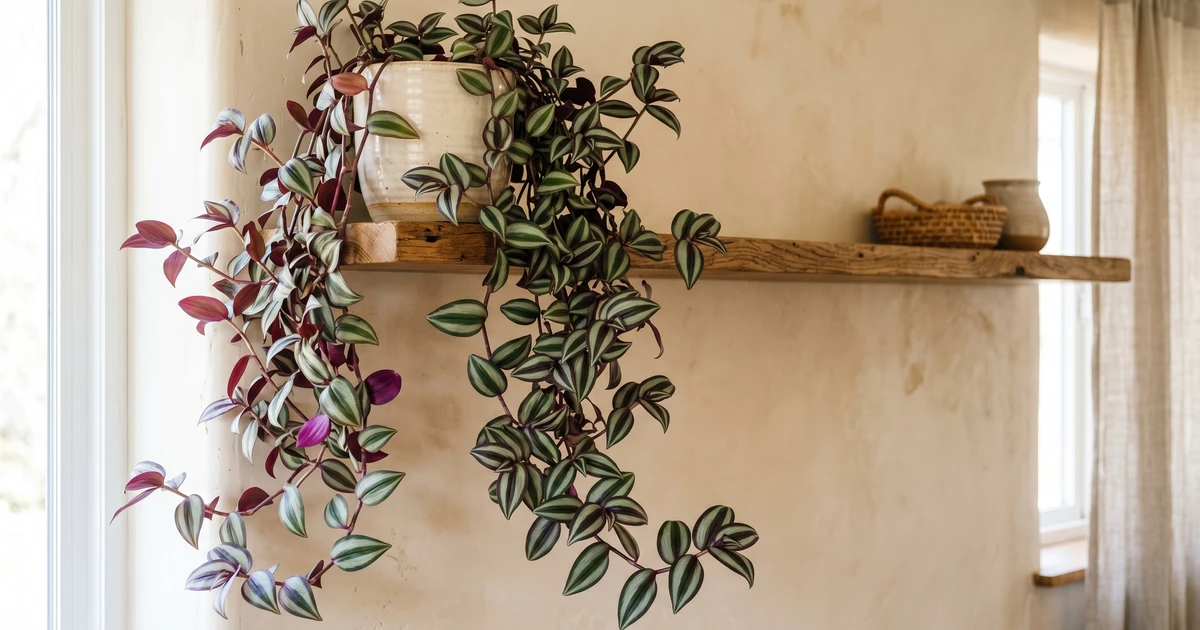
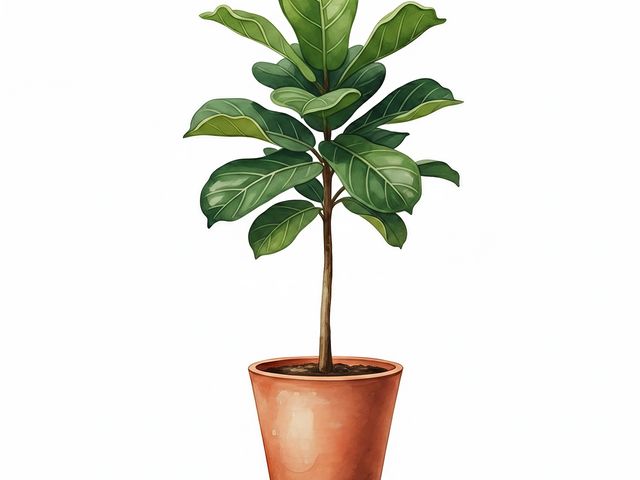
saguaro cactus
Evidence-based care guide for Saguaro Cactus (). Covers watering. Our analysis draws from 1 verified community cases with an average confidence score of 87%. Each protocol is synthesized from real rescue outcomes, not generic advice.
Care Essentials
Get to Know Your Saguaro Cactus
The #1 killer? Overwatering. Let the soil dry between waterings and your Saguaro Cactus will thrive.
Light
medium to bright indirect
Most comfortable in medium to bright indirect light. Avoid prolonged direct sun exposure.
💡 Grow lights: Thrives under artificial grow lights (LED or fluorescent, 10-12 hours/day). A great option if your space lacks natural light.
Watering
every 7-10 days
Water when the top 1-2 inches of soil feel dry. Adjust with the seasons — less in winter, more in summer.
Humidity & Temperature
Not fussy about humidity. Handles average indoor conditions without issue.
Standard room temperature (60-80°F / 15-27°C) is perfect. Avoid cold drafts and sudden temperature swings.
Soil
Standard well-draining potting mix works well. Add perlite for extra drainage if you tend to overwater.
Care Requirements
At a Glance
Care Profile in Development
While our detailed care profile is being compiled, you can find specific care guidance in the 1 care-related diagnoses below — including watering schedules, light requirements, and propagation methods from real-world cases.
Start Here
Most Common Problems
Based on 1 analyzed cases — these are the issues you're most likely to encounter
Don't see your symptom? Search all 1 topics below, or run the Diagnostic.
Which of the 7 Killers
is threatening your plants?
We analyzed 1,616 documented plant deaths to identify the 7 causes behind 78% of all losses. Answer 5 questions — we'll tell you exactly which ones apply to your setup.
Skip the quiz — get The 7 Killers course ($19) →Question 1 of 5
How do you decide when to water your plants?
Question 2 of 5
Where do most of your plants live?
Question 3 of 5
What's your home environment like?
Question 4 of 5
Have you lost a plant in the last 6 months?
Question 5 of 5
How often do you check your plants for pests?
Your diagnosis is ready
We've identified your top 2 risk killers. Enter your email to see the full breakdown and your personalized rescue protocol.
Your plants are most at risk from:

The 7 Killers mini-course covers every one of these in depth — mechanism, rescue protocol, prevention. 1,616 cases. 7 lessons. $19.
Get The 7 Killers — $19 →Get the Plant Mortality Checklist
The 7 killers behind 78% of houseplant deaths — and the exact fix for each. Free PDF based on 1,616 documented cases.
Your checklist is ready!
We also sent it to your inbox. Check your email for the full download.
Open the ChecklistFree. No spam. Unsubscribe anytime.
Verified Data
All Diagnoses
1 topics consolidated from 1 documented cases. Expand any topic to see all protocols.
Watering Issues (1 topics · 1 cases)
Is my Saguaro Cactus overwatered?
Corking is a natural, protective lignification process where saguaro and other columnar cactus epidermal tissue hardens and darkens (turning brown/woody) in response to physical stress, age, or environmental factors
87%
Is my Saguaro Cactus overwatered?
Corking is a natural, protective lignification process where saguaro and other columnar cactus epidermal tissue hardens and darkens (turning brown/woody) in response to physical stress, age, or environmental factors
Cause
Corking is a natural, protective lignification process where saguaro and other columnar cactus epidermal tissue hardens and darkens (turning brown/woody) in response to physical stress, age, or environmental factors. This creates a bark-like protective layer. Root rot produces similar brown discoloration but through pathological tissue breakdown from anaerobic bacterial infection. The misdiagnosis occurs because both appear at the stem base where soil meets plant, and both involve brown discoloration. However, corking is dry, hard, and firm; rot is soft, mushy, and often accompanied by foul odor or spreading lesions.
Solutions
- Texture differentiation test: Gently press discolored area with fingertip—corking feels hard and woody like tree bark; rot feels soft, yielding, and may weep fluid
- Visual inspection: Corking presents as uniform, dry, paper-thin layer that may crack slightly; rot shows irregular spreading lesions, often with yellow/orange halos
- Odor assessment: Healthy corking has no smell; rotting tissue produces distinct sour, fermented, or foul odor
- Progression monitoring: Corking remains static or expands slowly over months/years; rot spreads rapidly (days to weeks) and may appear wet or slimy
- Response to treatment: Corking requires no intervention; suspected rot requires immediate unpotting, root inspection, and surgical removal of affected tissue if confirmed
Prevention
Understand that corking is normal in mature columnar cacti, particularly saguaro and organ pipe species. Expect corking at soil level where stem contacts potting mix or ground surface. Prevent unnecessary corking by using potting mix that doesn't retain excessive moisture against the stem and by avoiding mechanical damage to the base during repotting.
Common Questions
Frequently Asked Questions
Why does my saguaro cactus have Overwatering vs underwatering?
Cause: Corking is a natural, protective lignification process where saguaro and other columnar cactus epidermal tissue hardens and darkens (turning brown/woody) in response to physical stress, age, or environmental factors. This creates a bark-like protective layer. Root rot produces similar brown discoloration but through pathological tissue breakdown from anaerobic bacterial infection. The misdiagnosis occurs because both appear at the stem base where soil meets plant, and both involve brown discoloration. However, corking is dry, hard, and firm; rot is soft, mushy, and often accompanied by foul odor or spreading lesions.
Solution: Texture differentiation test: Gently press discolored area with fingertip—corking feels hard and woody like tree bark; rot feels soft, yielding, and may weep fluid
Prevention: Understand that corking is normal in mature columnar cacti, particularly saguaro and organ pipe species. Expect corking at soil level where stem contacts potting mix or ground surface. Prevent unnecessary corking by using potting mix that doesn't retain excessive moisture against the stem and by avoiding mechanical damage to the base during repotting.
87% confidence · View full protocol →
Common Questions
Frequently Asked About Saguaro Cactus
What problems can Saguaro Cactus get?
Our database contains 1 documented Saguaro Cactus cases covering 1 distinct topics, including diseases, pest identification, environmental stress, propagation, and advanced care protocols — each with verified solutions.
Structured Learning
Ready to Go Deeper?
Explore our Mastery Packs for structured, video-based learning with step-by-step protocols from 20,000+ analyzed plant cases.
Browse All Courses →