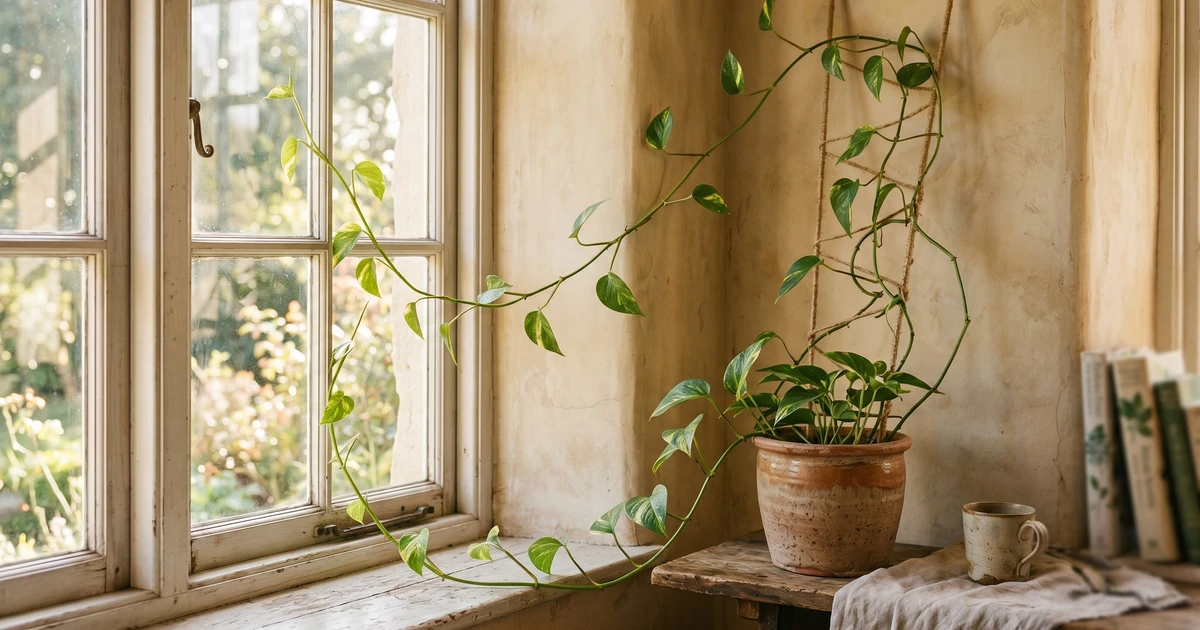
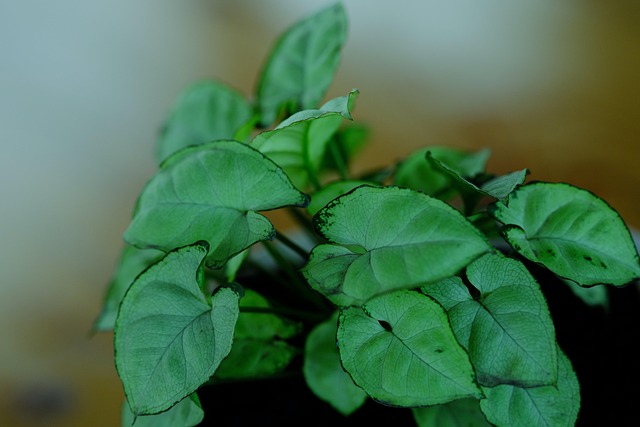
syngonium podophyllum
Evidence-based care guide for Syngonium Podophyllum (). Covers disease treatment, symptom diagnosis and pest control. Our analysis draws from 6 verified community cases with an average confidence score of 72%. Each protocol is synthesized from real rescue outcomes, not generic advice.
Care Essentials
Get to Know Your Syngonium Podophyllum
Light is everything for this plant. Get the placement right and everything else falls into place.
Light
medium to bright indirect
Tolerates lower light but grows best in medium to bright indirect light. Can get leggy without enough light.
💡 Grow lights: Thrives under artificial grow lights (LED or fluorescent, 10-12 hours/day). A great option if your space lacks natural light.
Watering
every 10-14 days
Let the soil dry out significantly between waterings — this plant is very sensitive to overwatering. When in doubt, wait another day.
Humidity & Temperature
Not fussy about humidity. Handles average indoor conditions without issue.
Standard room temperature (60-80°F / 15-27°C) is perfect. Avoid cold drafts and sudden temperature swings.
Soil
Standard well-draining potting mix works well. Add perlite for extra drainage if you tend to overwater.
Care Requirements
At a Glance
Care Profile in Development
While our detailed care profile is being compiled, you can find specific care guidance in the 0 care-related diagnoses below — including watering schedules, light requirements, and propagation methods from real-world cases.
Start Here
Most Common Problems
Based on 6 analyzed cases — these are the issues you're most likely to encounter
Don't see your symptom? Search all 4 topics below, or run the Diagnostic.
Why is my Syngonium Podophyllum losing its variegation?
Sectoral chimerism instability where white sectors (lacking chlorophyll) fail...
Why are my Syngonium Podophyllum leaves turning yellow?
Natural physiological process where Syngonium (Arrowhead Vine) sheds oldest...
Why does my Syngonium Podophyllum have mealybugs?
Mealybugs are listed in the Syngonium podophyllum (Arrowhead Vine; Nephthytis)...
Why does my Syngonium Podophyllum have spider mites?
Spider mites are listed in the Syngonium podophyllum (Arrowhead Vine;...
Which of the 7 Killers
is threatening your plants?
We use Plant Grail problem records — root rot, mites, light, humidity — to rank which failures show up most. Answer 5 questions and we'll tell you which ones match your setup.
Skip the quiz — get The 7 Killers course ($19) →Question 1 of 5
How do you decide when to water your plants?
Question 2 of 5
Where do most of your plants live?
Question 3 of 5
What's your home environment like?
Question 4 of 5
Have you lost a plant in the last 6 months?
Question 5 of 5
How often do you check your plants for pests?
Your diagnosis is ready
We've identified your top 2 risk killers. Enter your email to see the full breakdown and your personalized rescue protocol.
Your plants are most at risk from:

The 7 Killers mini-course covers mechanism, rescue protocol, and prevention for the failure classes that show up most in Grail. 7 lessons. $19.
Get The 7 Killers — $19 →Get the Plant Mortality Checklist
Root rot is the largest named failure class in Plant Grail. Free PDF of the failure map and what to check first.
Your checklist is ready!
We also sent it to your inbox. Check your email for the full download.
Open the ChecklistFree. No spam. Unsubscribe anytime.
Verified Data
All Diagnoses
4 topics from 6 Grail records. Expand any topic to see the protocol.
Symptoms (1 topics · 1 cases)
Why are my Syngonium Podophyllum leaves turning yellow?
Natural physiological process where Syngonium (Arrowhead Vine) sheds oldest basal leaves to reallocate nitrogen and resources to new apical growth
81%
Why are my Syngonium Podophyllum leaves turning yellow?
Natural physiological process where Syngonium (Arrowhead Vine) sheds oldest basal leaves to reallocate nitrogen and resources to new apical growth
Cause
Natural physiological process where Syngonium (Arrowhead Vine) sheds oldest basal leaves to reallocate nitrogen and resources to new apical growth. This occurs when the plant reaches its specific leaf count capacity (typically 6-10 leaves for indoor specimens).
Solutions
- Confirm new leaf emergence at the apex; if present, basal yellowing is normal.
- Prune fully yellowed leaves at the base to improve aesthetics and airflow.
- Ensure consistent watering (top 2 inches dry) to prevent stress from amplifying natural drop.
Prevention
Maintain stable humidity (>60%) and bright indirect light to maximize the number of leaves the plant can support. Fertilize monthly with diluted nitrogen-rich formula during the growing season.
Pests (2 topics · 2 cases)
Why does my Syngonium Podophyllum have mealybugs?
Mealybugs are listed in the Syngonium podophyllum (Arrowhead Vine; Nephthytis) encyclopedia entry as a documented pest, with the white cottony insects colonizing the leaf axils where the petiole meets the stem and sucking sap from new growth
80%
Why does my Syngonium Podophyllum have mealybugs?
Mealybugs are listed in the Syngonium podophyllum (Arrowhead Vine; Nephthytis) encyclopedia entry as a documented pest, with the white cottony insects colonizing the leaf axils where the petiole meets the stem and sucking sap from new growth
Cause
Mealybugs are listed in the Syngonium podophyllum (Arrowhead Vine; Nephthytis) encyclopedia entry as a documented pest, with the white cottony insects colonizing the leaf axils where the petiole meets the stem and sucking sap from new growth.
Solutions
- Dab individual cottony mealybug tufts with a cotton swab dipped in rubbing alcohol diluted 3:1 with water, which dissolves their waxy coating without burning the leaf.
- Spray the entire plant - including leaf axils, stem joints, and the underside of leaves - with insecticidal soap, repeating on a weekly basis until no fresh cottony clusters reappear.
Prevention
Inspect new Syngonium podophyllum plants and the leaf axils of existing ones on a routine basis under a hand lens for early cottony masses, isolate newly purchased plants for a quarantine period before introducing them to other houseplants, and remove any infested foliage before the colony spreads.
Why does my Syngonium Podophyllum have spider mites?
Spider mites are listed in the Syngonium podophyllum (Arrowhead Vine; Nephthytis) encyclopedia entry as a documented pest, colonizing the undersides of leaves in hot, dry indoor air and spinning fine white webs while sucking leaf cells dry, which causes the foliage to speckle, wrinkle, turn yellow, and drop
80%
Why does my Syngonium Podophyllum have spider mites?
Spider mites are listed in the Syngonium podophyllum (Arrowhead Vine; Nephthytis) encyclopedia entry as a documented pest, colonizing the undersides of leaves in hot, dry indoor air and spinning fine white webs while sucking leaf cells dry, which causes the foliage to speckle, wrinkle, turn yellow, and drop
Cause
Spider mites are listed in the Syngonium podophyllum (Arrowhead Vine; Nephthytis) encyclopedia entry as a documented pest, colonizing the undersides of leaves in hot, dry indoor air and spinning fine white webs while sucking leaf cells dry, which causes the foliage to speckle, wrinkle, turn yellow, and drop.
Solutions
- Shake foliage over a white sheet of paper and look for moving red or yellow, spiderlike specks to confirm an infestation, then rinse the plant repeatedly with a stream of lukewarm water focused on the leaf-stem junctions where the webs concentrate.
- Follow the rinse with insecticidal soap sprayed across the top and underside of every leaf, repeating on a weekly basis until no moving red or yellow specks shake loose onto a white paper held beneath the foliage.
Prevention
Maintain humidity at 40-70% around Syngonium podophyllum because spider mites prefer a hot, dry environment, mist the foliage on a routine basis or run a humidifier during winter when indoor air is driest, and inspect the underside of leaves for the first signs of stippling.
Other Topics (1 topics · 1 cases)
Why is my Syngonium Podophyllum losing its variegation?
Sectoral chimerism instability where white sectors (lacking chlorophyll) fail to provide enough energy, prompting the plant to produce solid green leaves for survival
81%
Why is my Syngonium Podophyllum losing its variegation?
Sectoral chimerism instability where white sectors (lacking chlorophyll) fail to provide enough energy, prompting the plant to produce solid green leaves for survival
Cause
Sectoral chimerism instability where white sectors (lacking chlorophyll) fail to provide enough energy, prompting the plant to produce solid green leaves for survival. This is often triggered by low light (meristematic instability) or excessive high light (photostress/bleaching).
Solutions
- Examine stems for white "vein-like" stripes which indicate chimeric potential.
- Prune the solid green growth back to the last node that showed prominent white stem variegation.
- Provide bright indirect light (2000-4000 lux) to stabilize variegation.
- Maintain 60-80% humidity to reduce metabolic stress.
Prevention
Position in consistent medium-high indirect light. Avoid direct midday sun which can bleach white sectors. Regularly rotate the plant 90 degrees to ensure even light exposure to the meristem.
Common Questions
Frequently Asked Questions
Why does my syngonium podophyllum have Loss of variegation?
Cause: Sectoral chimerism instability where white sectors (lacking chlorophyll) fail to provide enough energy, prompting the plant to produce solid green leaves for survival. This is often triggered by low light (meristematic instability) or excessive high light (photostress/bleaching).
Solution: Examine stems for white "vein-like" stripes which indicate chimeric potential.
Prevention: Position in consistent medium-high indirect light. Avoid direct midday sun which can bleach white sectors. Regularly rotate the plant 90 degrees to ensure even light exposure to the meristem.
81% confidence · View full protocol →
Why does my syngonium podophyllum have Yellow leaves?
Cause: Natural physiological process where Syngonium (Arrowhead Vine) sheds oldest basal leaves to reallocate nitrogen and resources to new apical growth. This occurs when the plant reaches its specific leaf count capacity (typically 6-10 leaves for indoor specimens).
Solution: Confirm new leaf emergence at the apex; if present, basal yellowing is normal.
Prevention: Maintain stable humidity (>60%) and bright indirect light to maximize the number of leaves the plant can support. Fertilize monthly with diluted nitrogen-rich formula during the growing season.
81% confidence · View full protocol →
Why does my syngonium podophyllum have Mealybugs?
Cause: Mealybugs are listed in the Syngonium podophyllum (Arrowhead Vine; Nephthytis) encyclopedia entry as a documented pest, with the white cottony insects colonizing the leaf axils where the petiole meets the stem and sucking sap from new growth.
Solution: Dab individual cottony mealybug tufts with a cotton swab dipped in rubbing alcohol diluted 3:1 with water, which dissolves their waxy coating without burning the leaf.
Prevention: Inspect new Syngonium podophyllum plants and the leaf axils of existing ones on a routine basis under a hand lens for early cottony masses, isolate newly purchased plants for a quarantine period before introducing them to other houseplants, and remove any infested foliage before the colony spreads.
80% confidence · View full protocol →
Why does my syngonium podophyllum have Spider mites?
Cause: Spider mites are listed in the Syngonium podophyllum (Arrowhead Vine; Nephthytis) encyclopedia entry as a documented pest, colonizing the undersides of leaves in hot, dry indoor air and spinning fine white webs while sucking leaf cells dry, which causes the foliage to speckle, wrinkle, turn yellow, and drop.
Solution: Shake foliage over a white sheet of paper and look for moving red or yellow, spiderlike specks to confirm an infestation, then rinse the plant repeatedly with a stream of lukewarm water focused on the leaf-stem junctions where the webs concentrate.
Prevention: Maintain humidity at 40-70% around Syngonium podophyllum because spider mites prefer a hot, dry environment, mist the foliage on a routine basis or run a humidifier during winter when indoor air is driest, and inspect the underside of leaves for the first signs of stippling.
80% confidence · View full protocol →
Common Questions
Frequently Asked About Syngonium Podophyllum
What problems can Syngonium Podophyllum get?
Plant Grail records 6 Syngonium Podophyllum problems, including pests, watering stress, and environmental damage, each with a fix.
Structured Learning
Ready to Go Deeper?
Explore our Mastery Packs for structured, video-based learning with step-by-step protocols from 4,272 analyzed plant cases.
Browse All Courses →