
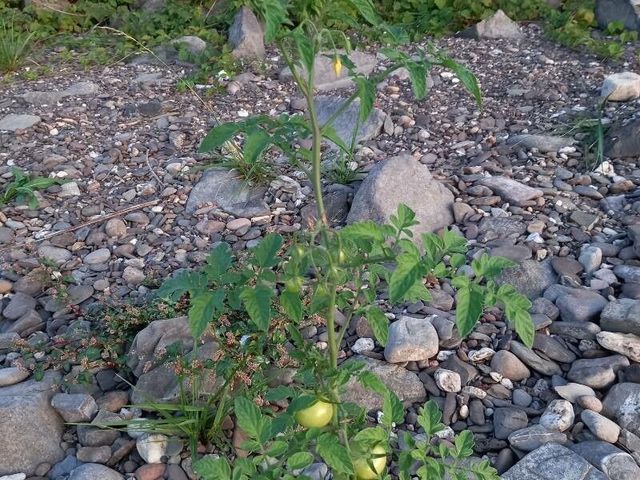
tomato
Evidence-based care guide for Tomato (). Covers symptom diagnosis and pest control. Our analysis draws from 8 verified community cases with an average confidence score of 81%. Each protocol is synthesized from real rescue outcomes, not generic advice.
Care Essentials
Get to Know Your Tomato
Keep an eye out for pests — regular leaf inspections catch problems early.
Light
medium to bright indirect
Most comfortable in medium to bright indirect light. Avoid prolonged direct sun exposure.
💡 Grow lights: Thrives under artificial grow lights (LED or fluorescent, 10-12 hours/day). A great option if your space lacks natural light.
Watering
every 10-14 days
Let the soil dry out significantly between waterings — this plant is very sensitive to overwatering. When in doubt, wait another day.
Humidity & Temperature
Not fussy about humidity. Handles average indoor conditions without issue.
Standard room temperature (60-80°F / 15-27°C) is perfect. Avoid cold drafts and sudden temperature swings.
Soil
Standard well-draining potting mix works well. Add perlite for extra drainage if you tend to overwater.
Care Requirements
At a Glance
Care Profile in Development
While our detailed care profile is being compiled, you can find specific care guidance in the 0 care-related diagnoses below — including watering schedules, light requirements, and propagation methods from real-world cases.
Start Here
Most Common Problems
Based on 8 analyzed cases — these are the issues you're most likely to encounter
Don't see your symptom? Search all 7 topics below, or run the Diagnostic.
Why does my Tomato have spider mites?
Azadirachtin (C35H44O16) from neem oil acts as antifeedant and growth regulator...
Tomato: Graft Failure
Tomato grafting failure occurs when union formation is incomplete due to...
Why are my Tomato leaves turning yellow?
Soil pH outside 6.5-7.5 range causes nutrient lockout — even when nitrogen,...
Tomato: Wilt Fusarium
Repeating the same crops or crops from the same botanical family in the same...
Tomato: Damping Off
Seedling damping-off (Pythium spp., Rhizoctonia solani, Fusarium spp.) occurs...
Which of the 7 Killers
is threatening your plants?
We use Plant Grail problem records — root rot, mites, light, humidity — to rank which failures show up most. Answer 5 questions and we'll tell you which ones match your setup.
Skip the quiz — get The 7 Killers course ($19) →Question 1 of 5
How do you decide when to water your plants?
Question 2 of 5
Where do most of your plants live?
Question 3 of 5
What's your home environment like?
Question 4 of 5
Have you lost a plant in the last 6 months?
Question 5 of 5
How often do you check your plants for pests?
Your diagnosis is ready
We've identified your top 2 risk killers. Enter your email to see the full breakdown and your personalized rescue protocol.
Your plants are most at risk from:

The 7 Killers mini-course covers mechanism, rescue protocol, and prevention for the failure classes that show up most in Grail. 7 lessons. $19.
Get The 7 Killers — $19 →Get the Plant Mortality Checklist
Root rot is the largest named failure class in Plant Grail. Free PDF of the failure map and what to check first.
Your checklist is ready!
We also sent it to your inbox. Check your email for the full download.
Open the ChecklistFree. No spam. Unsubscribe anytime.
Verified Data
All Diagnoses
7 topics consolidated from 8 documented cases. Expand any topic to see all protocols.
Pests (2 topics · 3 cases)
What pests are on my Tomato?
Aphids (light green, sap-sucking insects) and spider mites (grey/black) cause leaf distortion and sooty mold by excreting honeydew
75%
What pests are on my Tomato?
Aphids (light green, sap-sucking insects) and spider mites (grey/black) cause leaf distortion and sooty mold by excreting honeydew
Cause
Aphids (light green, sap-sucking insects) and spider mites (grey/black) cause leaf distortion and sooty mold by excreting honeydew. Ants farm aphid colonies for this honeydew. Fruit flies lay eggs in developing tomato and capsicum fruit, creating internal maggot damage visible as skin blemishes.
Solutions
- 1. Identify pest: aphids cluster on new growth; spider mites create fine webbing on leaf undersides; fruit fly damage appears as skin soft spots
- 2. For aphids/mites: spray plants with hard hose jet to dislodge insects, then apply soapy water (1 tbsp dish soap per litre water) to leaf undersides
- 3. For fruit fly: hang proprietary fruit fly traps with pheromone lure near affected plants; cover developing fruit with fine-net bags before color change
- 4. For caterpillars: inspect leaf undersides for raised egg clusters (rub off); spray with Bacillus thuringiensis (Bt) biological spray for active caterpillars
- 5. Apply molasses spray (1 tbsp molasses + 1 tsp dish soap per litre water) weekly as deterrent — reapply after rain
Prevention
Encourage beneficial insects (ladybirds, lacewings, birds, frogs) through diverse planting. Use fine-net bags or muslin covers on developing fruit from formation stage. Apply molasses spray (1:1:1000 molasses:dish soap:water) weekly during pest-active months.
Why does my Tomato have spider mites?
Azadirachtin (C35H44O16) from neem oil acts as antifeedant and growth regulator against Tetranychus urticae
2 protocols
85–88%
Why does my Tomato have spider mites?
Azadirachtin (C35H44O16) from neem oil acts as antifeedant and growth regulator against Tetranychus urticae
Protocol 1: spider mite infestation · 88% confidence
Cause
Azadirachtin (C35H44O16) from neem oil acts as antifeedant and growth regulator against Tetranychus urticae. Neem oil LC50: 33.99 ppm vs aqueous extract LC50: 260.30 ppm — neem oil is 7.7x more effective due to higher azadirachtin concentration.
Solutions
- 1. Mix neem oil at 50-300 ppm concentration with 0.1% Tween 80 emulsifier in distilled water
- 2. Shake vigorously before each application to ensure emulsification
- 3. Spray directly on leaf undersides where spider mites congregate
- 4. Wait 7 days then assess mortality using Abbott's formula
- 5. Repeat application if mortality < 90%
Prevention
Apply neem oil at 50-300 ppm every 7 days during hot/dry seasons when spider mite outbreaks peak. Rotate with other botanical pesticides to prevent resistance development.
Protocol 2: spider mite infestation · 85% confidence
Cause
Azadirachtin (C35H44O16) is a tetranortriterpenoid from neem seeds that disrupts molting hormone (ecdysone) pathways, causing growth disruption and mortality in spider mites. Neem oil (LC50: 33.99 ppm) is 7.7x more effective than aqueous extract (LC50: 260.30 ppm).
Solutions
- 1. Mix neem oil at 50-300 ppm with 0.1% Tween 80 emulsifier
- 2. Store in dark glass bottles at 4°C to preserve potency
- 3. Apply in early morning or evening to avoid UV degradation
- 4. Use in rotation with other botanical pesticides to prevent resistance
Prevention
Store neem oil in dark glass bottles at 4°C to preserve azadirachtin potency. Apply in early morning or evening to avoid rapid UV degradation.
Maintenance (1 topics · 1 cases)
Why are my Tomato leaves turning yellow?
Soil pH outside 6
80%
Why are my Tomato leaves turning yellow?
Soil pH outside 6
Cause
Soil pH outside 6.5-7.5 range causes nutrient lockout — even when nitrogen, phosphorous, and potassium are present in the soil, they become chemically unavailable to plant roots. Acidic soil (pH < 6.5) causes aluminium and manganese toxicity while binding calcium and magnesium. Alkaline soil (pH > 7.5) precipitates iron, zinc, and phosphorus into insoluble compounds that roots cannot absorb.
Solutions
- 1. Insert pH probe into moist soil, wait 60 seconds — record reading
- 2. If below 6.5: apply agricultural lime at 50g per square meter, rake into top 2 inches, water lightly
- 3. If above 7.5: apply elemental sulfur at 30g per square meter OR add 2-inch layer of composted pine needles
- 4. Wait 2-3 weeks for pH to stabilize, then retest with fresh reading
- 5. Add trace minerals: 1-2 handfuls rock dust per 3 sq ft (1m2) each season
Prevention
Test soil pH before each planting season using a $10 kit. Apply agricultural lime (50g/m2) if pH is below 6.5, or elemental sulfur (30g/m2) if above 7.5. Retest 2-3 weeks after amendments. Maintain 6.5-7.5 range through annual organic matter addition.
Other Topics (4 topics · 4 cases)
Tomato: Damping Off
Seedling damping-off (Pythium spp
80%
Tomato: Damping Off
Seedling damping-off (Pythium spp
Cause
Seedling damping-off (Pythium spp., Rhizoctonia solani, Fusarium spp.) occurs when pathogenic fungi infect seedlings at or below soil line. Fungi colonize root cortex and vascular tissue, producing phytotoxins and enzyme cocktails (cellulases, pectinases) that degrade cell walls, causing water transport collapse leading to sudden wilting and death.
Solutions
- 1. Sterile medium: Use commercially sterilized seed-starting mix or amend garden soil with 50% perlite:50% peat for drainage; do not reuse old seed-starting mix without sterilization (steam at 82°C for 30 min)
- 2. Spacing: Sow seeds thinly to avoid dense seedling clusters that trap humidity; ideal density is 60-80 seedlings per 10x10cm tray
- 3. Water management: Apply water from below (tray bottom-watering) rather than overhead; keep substrate moisture at field capacity (50-60%), not saturation; water in morning to allow surface drying
- 4. Biocontrol: Incorporate Trichoderma harzianum at 5g/L medium or drench at 1x10^6 CFU/mL at seed emergence to competitively exclude damping-off pathogens
- 5. Fungicide treatment: For high-risk conditions, apply metalaxyl or mefenoxam as drench at 0.5mL/L at first true leaf stage; organic alternative: copper octanoate at 2mL/L
Prevention
Use sterile seed-starting mix (not garden soil); avoid overwatering by maintaining substrate at 50-60% moisture (not saturated); provide good air circulation; apply Trichoderma harzianum biocontrol at 1x10^6 CFU/g to colonization prevention.
Tomato: Graft Failure
Tomato grafting failure occurs when union formation is incomplete due to incompatible cambium alignment, leading to poor water/nutrient conductance at the graft interface
82%
Tomato: Graft Failure
Tomato grafting failure occurs when union formation is incomplete due to incompatible cambium alignment, leading to poor water/nutrient conductance at the graft interface
Cause
Tomato grafting failure occurs when union formation is incomplete due to incompatible cambium alignment, leading to poor water/nutrient conductance at the graft interface. Incompatible rootstock-scion combinations show necrotic tissue at the graft union by day 10-14, with stunted growth, leaf chlorosis, and eventual collapse by week 4-6.
Solutions
- 1. Rootstock preparation: Sow Solanum habrochaites seeds 5-7 days before tomato scion to synchronize stem diameter (4-5mm); grow at 24-26°C with 16hr photoperiod for vigorous seedlings
- 2. Scion preparation: Grow tomato scion seedlings at slightly cooler (20-22°C) to slow growth; prepare 1.5-2cm single bevel cut at 30° angle using sharp blade
- 3. Grafting technique: Use tube grafting method with 2mm silicone clip to hold union; ensure at least 2-3mm cambial contact on one side minimum
- 4. Healing environment: Place in darkness at 25-28°C and 95% RH for 3-4 days (high humidity prevents scion dehydration before union forms); then gradually reduce RH to 80% over 3 days
- 5. Gradual acclimation: After 7-10 days post-graft, move to normal conditions over 3 days; transplant when scion leaves show no wilting symptoms at 60% RH ambient
Prevention
Select compatible rootstock-scion combinations (Solanum lycopersicum scion on S. habrochaites or S. sisymbrifolium rootstock for most modern varieties); ensure 2-3mm diameter match at graft interface; perform splice graft with 1.5-2cm long angled cut on both scion and rootstock for maximum cambial contact.
Tomato: Seed Germination
Sexual propagation involves the union of pollen (male) with the egg (female) to produce a seed containing an embryo
80%
Tomato: Seed Germination
Sexual propagation involves the union of pollen (male) with the egg (female) to produce a seed containing an embryo
Cause
Sexual propagation involves the union of pollen (male) with the egg (female) to produce a seed containing an embryo. Germination begins when water penetrates the seed coat, activating enzymes that convert stored endosperm into energy for radicle emergence.
Solutions
- Start with high-quality seed from a reliable dealer suited to your climate zone
- Sow at depth equal to 2-3x the seed diameter in pre-moistened sterile mix
- Maintain consistent moisture (not saturation) and temperatures of 65-75°F for most vegetable seeds
- Provide light for fine seeds; bury larger seeds in darkness
- Allow 65-80% germination rate expectation; expect 60-75% of germinated seeds to produce vigorous seedlings
Prevention
Store seeds in cool (40°F), dry conditions in sealed containers to maintain viability. Test germination rate before planting using a rag-doll test.
Tomato: Wilt Fusarium
Repeating the same crops or crops from the same botanical family in the same location year after year causes pest and disease populations to build up in the soil, while specific nutrients become depleted from the same soil depth
80%
Tomato: Wilt Fusarium
Repeating the same crops or crops from the same botanical family in the same location year after year causes pest and disease populations to build up in the soil, while specific nutrients become depleted from the same soil depth
Cause
Repeating the same crops or crops from the same botanical family in the same location year after year causes pest and disease populations to build up in the soil, while specific nutrients become depleted from the same soil depth. Pathogens like Fusarium and Pythium persist in soil for years without rotation.
Solutions
- 1. Map your garden beds and record what was planted where each year
- 2. Group vegetables by botanical family: Solanaceae, Brassicas, Fabaceae, Alliums, Cucurbits, Chenopodiaceae
- 3. Create a 3-4 year rotation plan ensuring no family returns to same bed within 3 years
- 4. In year 4, return to year 1 bed positions — the soil pathogen load will have declined
- 5. For container gardens: replace all soil and wash containers every 2 years to achieve same effect
Prevention
Practice minimum 3-year crop rotation — never plant Solanaceae (tomatoes, potatoes, eggplants) in the same spot two years running. Group vegetables by family: Chenopodiaceae (beets, spinach), Brassicas (broccoli, kale), Fabaceae (beans, peas). Rotate alliums (onions, garlic) and cucurbits (cucumbers, melons) through separate beds.
Common Questions
Frequently Asked Questions
Why does my tomato have Spider mite infestation?
Cause: Azadirachtin (C35H44O16) from neem oil acts as antifeedant and growth regulator against Tetranychus urticae. Neem oil LC50: 33.99 ppm vs aqueous extract LC50: 260.30 ppm — neem oil is 7.7x more effective due to higher azadirachtin concentration.
Solution: 1. Mix neem oil at 50-300 ppm concentration with 0.1% Tween 80 emulsifier in distilled water
Prevention: Apply neem oil at 50-300 ppm every 7 days during hot/dry seasons when spider mite outbreaks peak. Rotate with other botanical pesticides to prevent resistance development.
88% confidence · View full protocol →
Why does my tomato have Graft-failure?
Cause: Tomato grafting failure occurs when union formation is incomplete due to incompatible cambium alignment, leading to poor water/nutrient conductance at the graft interface. Incompatible rootstock-scion combinations show necrotic tissue at the graft union by day 10-14, with stunted growth, leaf chlorosis, and eventual collapse by week 4-6.
Solution: 1. Rootstock preparation: Sow Solanum habrochaites seeds 5-7 days before tomato scion to synchronize stem diameter (4-5mm); grow at 24-26°C with 16hr photoperiod for vigorous seedlings
Prevention: Select compatible rootstock-scion combinations (Solanum lycopersicum scion on S. habrochaites or S. sisymbrifolium rootstock for most modern varieties); ensure 2-3mm diameter match at graft interface; perform splice graft with 1.5-2cm long angled cut on both scion and rootstock for maximum cambial contact.
82% confidence · View full protocol →
Why does my tomato have Yellow-leaves-nutrient-deficiency?
Cause: Soil pH outside 6.5-7.5 range causes nutrient lockout — even when nitrogen, phosphorous, and potassium are present in the soil, they become chemically unavailable to plant roots. Acidic soil (pH < 6.5) causes aluminium and manganese toxicity while binding calcium and magnesium. Alkaline soil (pH > 7.5) precipitates iron, zinc, and phosphorus into insoluble compounds that roots cannot absorb.
Solution: 1. Insert pH probe into moist soil, wait 60 seconds — record reading
Prevention: Test soil pH before each planting season using a $10 kit. Apply agricultural lime (50g/m2) if pH is below 6.5, or elemental sulfur (30g/m2) if above 7.5. Retest 2-3 weeks after amendments. Maintain 6.5-7.5 range through annual organic matter addition.
80% confidence · View full protocol →
Why does my tomato have Wilt-fusarium?
Cause: Repeating the same crops or crops from the same botanical family in the same location year after year causes pest and disease populations to build up in the soil, while specific nutrients become depleted from the same soil depth. Pathogens like Fusarium and Pythium persist in soil for years without rotation.
Solution: 1. Map your garden beds and record what was planted where each year
Prevention: Practice minimum 3-year crop rotation — never plant Solanaceae (tomatoes, potatoes, eggplants) in the same spot two years running. Group vegetables by family: Chenopodiaceae (beets, spinach), Brassicas (broccoli, kale), Fabaceae (beans, peas). Rotate alliums (onions, garlic) and cucurbits (cucumbers, melons) through separate beds.
80% confidence · View full protocol →
Why does my tomato have Damping-off?
Cause: Seedling damping-off (Pythium spp., Rhizoctonia solani, Fusarium spp.) occurs when pathogenic fungi infect seedlings at or below soil line. Fungi colonize root cortex and vascular tissue, producing phytotoxins and enzyme cocktails (cellulases, pectinases) that degrade cell walls, causing water transport collapse leading to sudden wilting and death.
Solution: 1. Sterile medium: Use commercially sterilized seed-starting mix or amend garden soil with 50% perlite:50% peat for drainage; do not reuse old seed-starting mix without sterilization (steam at 82°C for 30 min)
Prevention: Use sterile seed-starting mix (not garden soil); avoid overwatering by maintaining substrate at 50-60% moisture (not saturated); provide good air circulation; apply Trichoderma harzianum biocontrol at 1x10^6 CFU/g to colonization prevention.
80% confidence · View full protocol →
Common Questions
Frequently Asked About Tomato
What problems can Tomato get?
Our database contains 8 documented Tomato cases covering 7 distinct topics, including diseases, pest identification, environmental stress, propagation, and advanced care protocols — each with verified solutions.
Structured Learning
Ready to Go Deeper?
Explore our Mastery Packs for structured, video-based learning with step-by-step protocols from 20,000+ analyzed plant cases.
Browse All Courses →