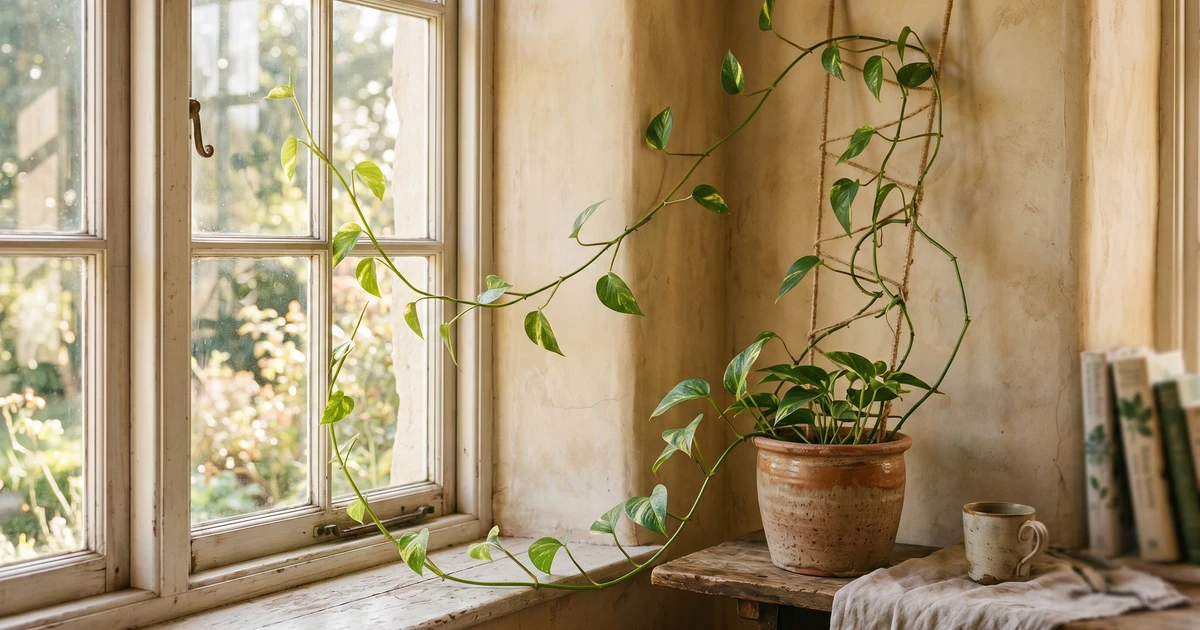
root rot on Baby Tears
Quick answer
If your Baby Tears has root rot, the most likely cause is: Because Soleirolia soleirolii forms a tight, shallow mat of fine roots in a small pot, any prolonged sogginess in the compost — cold compost sitting in standing water, oversized pot, or dense mix — suffocates those roots and lets water-borne fungi turn them soft and brown, after which the mat above wilts even though the compost feels wet.
Start here:
- 1. Lift the plant from its pot, shake off the old compost, and cut away every soft, brown, mushy root with clean scissors, retaining only the firm white ones, and repot into a free-draining mix in a clean pot with drainage holes.
- 2. After repotting, water only lightly until you see new growth, keep the plant in bright, indirect light at the cooler end of its range, and empty any outer saucer so the roots are never re-submerged.
Why Baby Tears gets root rot
Soleirolia soleirolii
Because Soleirolia soleirolii forms a tight, shallow mat of fine roots in a small pot, any prolonged sogginess in the compost — cold compost sitting in standing water, oversized pot, or dense mix — suffocates those roots and lets water-borne fungi turn them soft and brown, after which the mat above wilts even though the compost feels wet.
How to reverse root rot on Baby Tears
- 1
Lift the plant from its pot, shake off the old compost, and cut away every soft, brown, mushy root with clean scissors, retaining only the firm white ones, and repot into a free-draining mix in a clean pot with drainage holes.
- 2
After repotting, water only lightly until you see new growth, keep the plant in bright, indirect light at the cooler end of its range, and empty any outer saucer so the roots are never re-submerged.
Keep root rot off this Baby Tears
Use a free-draining, peat-based mix with added grit, water generously in summer but let excess drain away, keep baby tears in a cool spot with a minimum of 13°C (55°F), and never let the pot stand in water so the fine roots stay aerated.