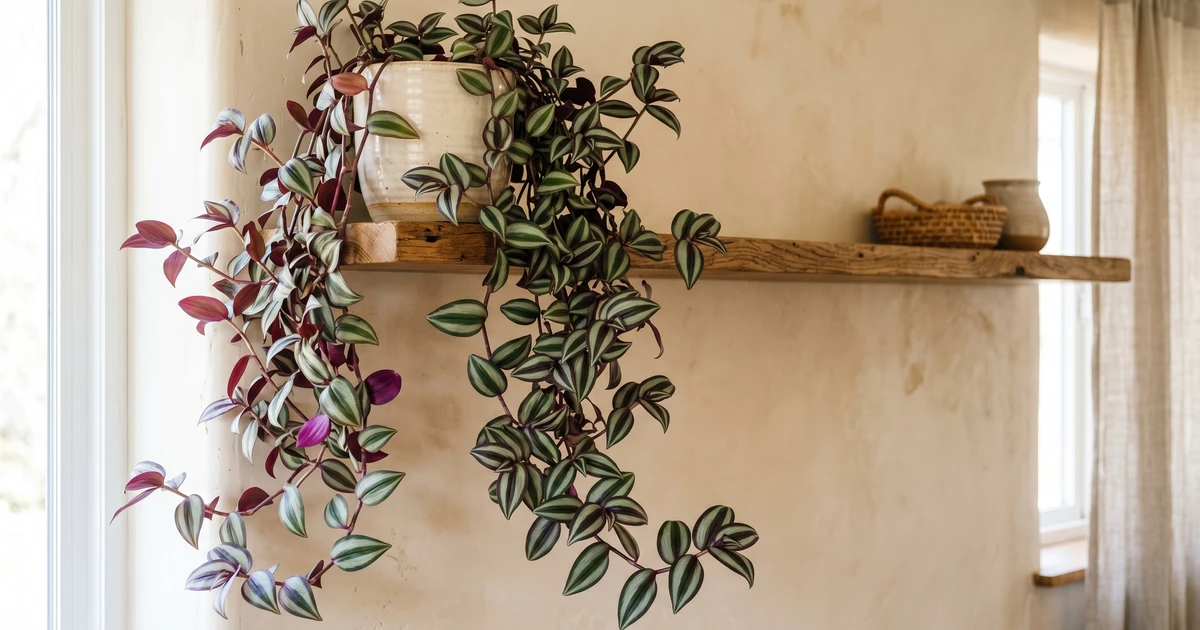
sunburn on Ball Cactus
Quick answer
If your Ball Cactus has sunburn, the most likely cause is: Successful hardening off of ball cacti requires triggering protective physiological responses before full sun exposure. These cacti synthesize UV-absorbing compounds (flavonoids, betalains) and adjust chloroplast positioning when exposed to gradually increasing light. This process takes 10-14 days minimum. Abrupt exposure skips these protective mechanisms, overwhelming the photosynthetic electron transport chain and causing oxidative damage. The rate of acclimation must match the plant's metabolic adjustment capacity, not the owner's schedule.
Start here:
- 1. Days 1-3: 30-60 minutes morning sun (7-9am), return to bright indirect light remainder of day
- 2. Days 4-6: 1-2 hours morning sun, introduce filtered afternoon light (30% shade cloth)
Why Ball Cactus gets sunburn
Successful hardening off of ball cacti requires triggering protective physiological responses before full sun exposure. These cacti synthesize UV-absorbing compounds (flavonoids, betalains) and adjust chloroplast positioning when exposed to gradually increasing light. This process takes 10-14 days minimum. Abrupt exposure skips these protective mechanisms, overwhelming the photosynthetic electron transport chain and causing oxidative damage. The rate of acclimation must match the plant's metabolic adjustment capacity, not the owner's schedule.
How to reverse sunburn on Ball Cactus
- 1
Days 1-3: 30-60 minutes morning sun (7-9am), return to bright indirect light remainder of day
- 2
Days 4-6: 1-2 hours morning sun, introduce filtered afternoon light (30% shade cloth)
- 3
Days 7-10: 3-4 hours including brief midday exposure (11am-1pm with shade cloth)
- 4
Days 11-14: 5-6 hours with decreasing shade cloth density (50% → 30% → 15%)
- 5
Days 15+: Full sun exposure for 'full sun' species; maintain partial shade for shade-tolerant varieties
- 6
Monitor daily for color change—slight pinking or yellowing indicates pause acclimation for 2-3 days before resuming
- 7
Complete acclimation before peak summer or maintain permanent shade structure in zones with UV index >9
Keep sunburn off this Ball Cactus
Begin hardening off when ambient temperatures are moderate (60-80°F) and UV index is below 6—spring and fall are optimal. Avoid starting acclimation during summer heat waves or when UV index exceeds 8. Cloudy days still transmit 60-80% of UV—use them for extending exposure time safely. Track progress with journal: date, exposure duration, sun intensity, plant response.