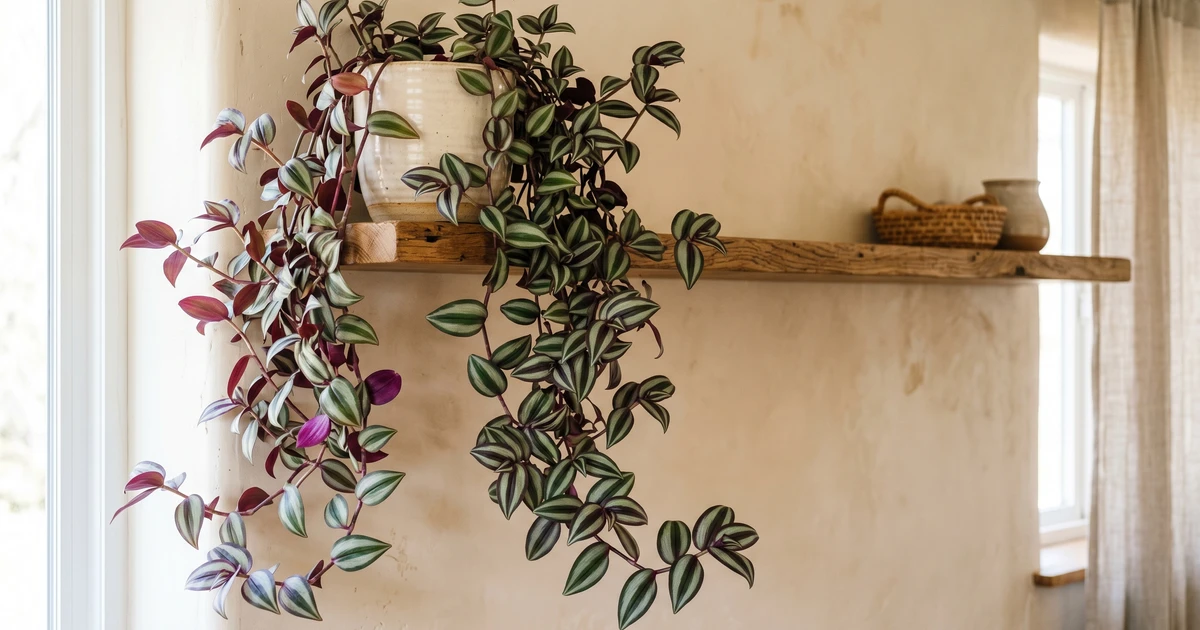
botrytis on Begonia Rex Escargot
Quick answer
If your Begonia Rex Escargot has botrytis, the most likely cause is: Begonia rex (the parent species of the 'Escargot' cultivar) develops fluffy grey mould on the leaves and stems when botrytis fungal disease is encouraged by excessive watering and humidity around the soft, moisture-loving rhizomatous foliage that the cultivar inherits from Begonia rex in the tropical rain forests of Assam.
Start here:
- 1. Spray the plant with benomyl to suppress the botrytis fungal infection on the leaves and stems of the Begonia rex 'Escargot' foliage.
- 2. Allow the compost to dry out and then resume watering as in ideal conditions, keeping the surface of the compost dry between waterings and never leaving the pot standing in water.
Why Begonia Rex Escargot gets botrytis
begonia rex escargot
Begonia rex (the parent species of the 'Escargot' cultivar) develops fluffy grey mould on the leaves and stems when botrytis fungal disease is encouraged by excessive watering and humidity around the soft, moisture-loving rhizomatous foliage that the cultivar inherits from Begonia rex in the tropical rain forests of Assam.
How to reverse botrytis on Begonia Rex Escargot
- 1
Spray the plant with benomyl to suppress the botrytis fungal infection on the leaves and stems of the Begonia rex 'Escargot' foliage.
- 2
Allow the compost to dry out and then resume watering as in ideal conditions, keeping the surface of the compost dry between waterings and never leaving the pot standing in water.
- 3
Move the Begonia rex 'Escargot' to a more airy spot with better ventilation so the humid air around the spiraled foliage is no longer stagnant and the grey mould cannot spread across the cultivar's leaves.
Keep botrytis off this Begonia Rex Escargot
Water Begonia rex 'Escargot' only when the surface of the compost is dry and allow the compost to dry out between waterings, keep the plant in a well-ventilated spot with bright but indirect light, and avoid stagnant humid air around the wet compost so the botrytis fungus cannot take hold on the spiraled 'Escargot' leaves and stems.