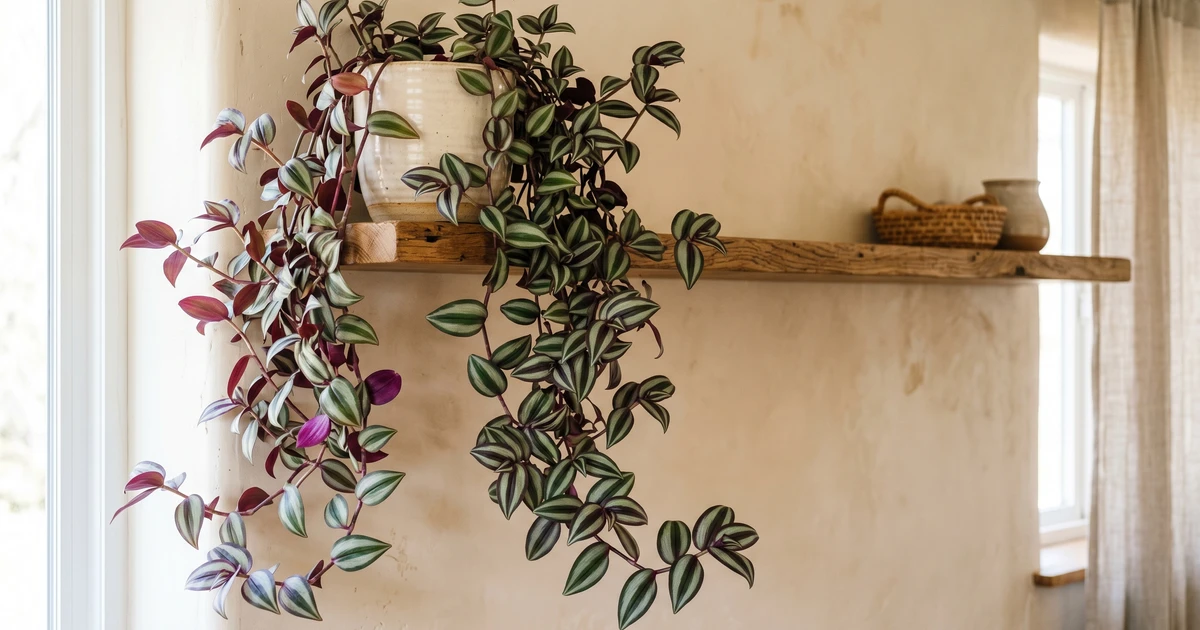
root rot on Begonia Rex Escargot
Quick answer
If your Begonia Rex Escargot has root rot, the most likely cause is: Begonia rex 'Escargot' develops rotting stems and crown at the base of the rhizomatous foliage when the compost is kept too wet or the surrounding air is excessively humid and stagnant, because the soft Begonia rex rhizome cannot tolerate waterlogged compost or saturated still air even though the species comes from tropical rain forests of Assam.
Start here:
- 1. If all the stems of the Begonia rex 'Escargot' are affected, throw the plant away because the rot has spread through the whole crown and cannot be saved.
- 2. Otherwise remove the affected stems at the base with a clean cut and dust the compost surface with a fungicide powder to stop the rot spreading into the healthy Begonia rex rhizome beneath the 'Escargot' leaves.
Why Begonia Rex Escargot gets root rot
begonia rex escargot
Begonia rex 'Escargot' develops rotting stems and crown at the base of the rhizomatous foliage when the compost is kept too wet or the surrounding air is excessively humid and stagnant, because the soft Begonia rex rhizome cannot tolerate waterlogged compost or saturated still air even though the species comes from tropical rain forests of Assam.
How to reverse root rot on Begonia Rex Escargot
- 1
If all the stems of the Begonia rex 'Escargot' are affected, throw the plant away because the rot has spread through the whole crown and cannot be saved.
- 2
Otherwise remove the affected stems at the base with a clean cut and dust the compost surface with a fungicide powder to stop the rot spreading into the healthy Begonia rex rhizome beneath the 'Escargot' leaves.
- 3
Allow the compost to dry out and only resume watering as in ideal conditions, keeping the surface of the compost dry between waterings and never leaving the pot standing in water around the Begonia rex 'Escargot'.
Keep root rot off this Begonia Rex Escargot
Water Begonia rex 'Escargot' only when the surface of the compost is just dry, allow the compost to dry out between waterings, and keep the plant in a well-ventilated room with bright indirect light so that humid air around the cultivar's spiraled crown never goes stagnant.