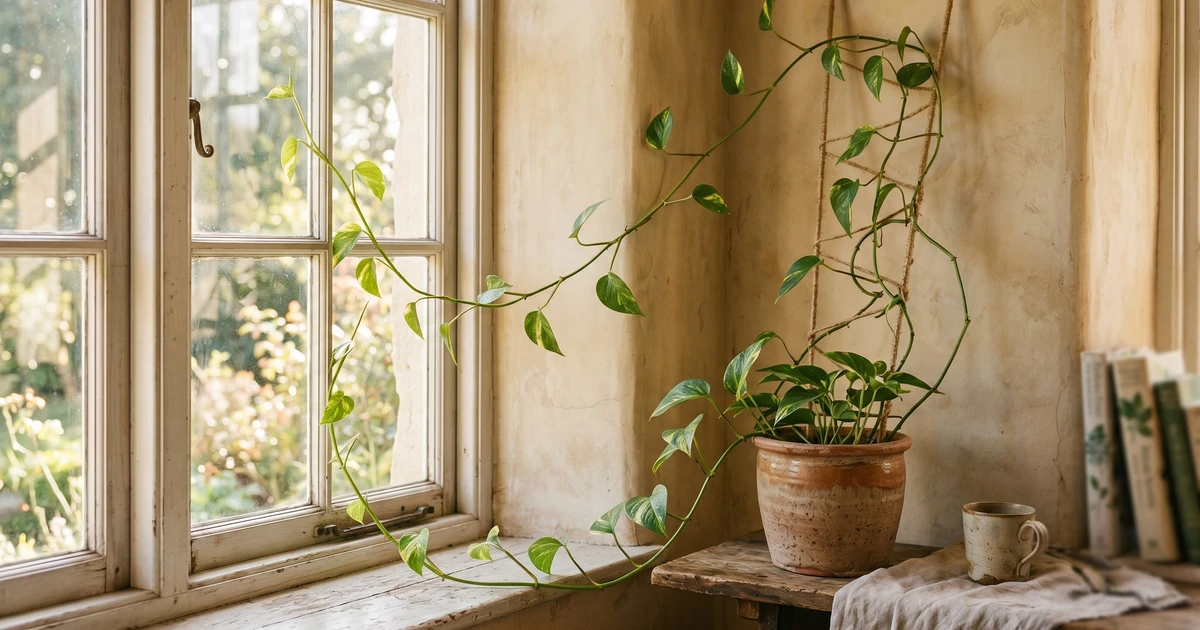
slanting shakan on Bonsai
Quick answer
If your Bonsai has slanting shakan, the most likely cause is: Slanting (shakan) style features a trunk leaning 30-45 degrees from vertical, mimicking trees shaped by wind exposure or light competition, with the first branch extending opposite the lean for visual counterbalance.
Start here:
- 1. Position first branch horizontally in the opposite direction of the lean to counterbalance
- 2. Emphasize root development on the lower (heavy) side to justify the angle
Why Bonsai gets slanting shakan
Slanting (shakan) style features a trunk leaning 30-45 degrees from vertical, mimicking trees shaped by wind exposure or light competition, with the first branch extending opposite the lean for visual counterbalance.
How to reverse slanting shakan on Bonsai
- 1
Position first branch horizontally in the opposite direction of the lean to counterbalance
- 2
Emphasize root development on the lower (heavy) side to justify the angle
- 3
Select species with flexible trunks for training into slanting style
- 4
Curve the apex slightly back toward center for compositional stability
Keep slanting shakan off this Bonsai
Keep lean angle between 30-45 degrees; exceeding this range makes the composition appear unstable rather than wind-shaped.