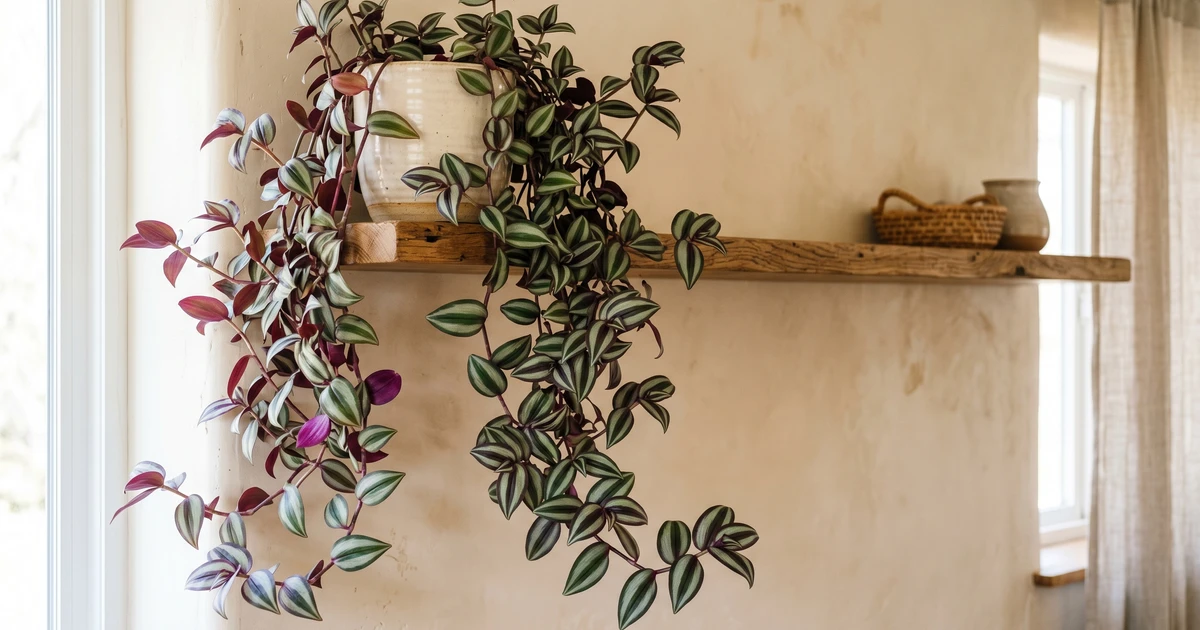
etiolation on Cactus-And-Succulent
Quick answer
If your Cactus-And-Succulent has etiolation, the most likely cause is: When succulents do not receive enough direct sunlight the leaves open and spread and become thinner as the plant reaches for light, the new leaves are smaller than the old, and the rosette becomes untidy and starts to droop — the source identifies this stretch as the most common reason succulents wither and die indoors. Artificial lighting has no effect; the plants need direct sunlight to stay compact.
Start here:
- 1. Move the affected succulent to a well-lit spot with direct sunlight as soon as mild symptoms appear so the new growth can recover its compact form.
- 2. Prune stretched stems back and let them re-grow from the base once the plant is in proper light, accepting that severely etiolated rosettes will not tighten up on their own.
Why Cactus-And-Succulent gets etiolation
cactus-and-succulent
When succulents do not receive enough direct sunlight the leaves open and spread and become thinner as the plant reaches for light, the new leaves are smaller than the old, and the rosette becomes untidy and starts to droop — the source identifies this stretch as the most common reason succulents wither and die indoors. Artificial lighting has no effect; the plants need direct sunlight to stay compact.
How to reverse etiolation on Cactus-And-Succulent
- 1
Move the affected succulent to a well-lit spot with direct sunlight as soon as mild symptoms appear so the new growth can recover its compact form.
- 2
Prune stretched stems back and let them re-grow from the base once the plant is in proper light, accepting that severely etiolated rosettes will not tighten up on their own.
- 3
During summer keep vulnerable succulents slightly in shade to avoid sunburn while still providing the strongest light available, and resume full exposure in fall when growth resumes.
Keep etiolation off this Cactus-And-Succulent
Keep cacti and succulents in direct sunlight year-round, water moderately in summer, and keep them in well-ventilated places so humidity and rot do not compound the damage from low light.