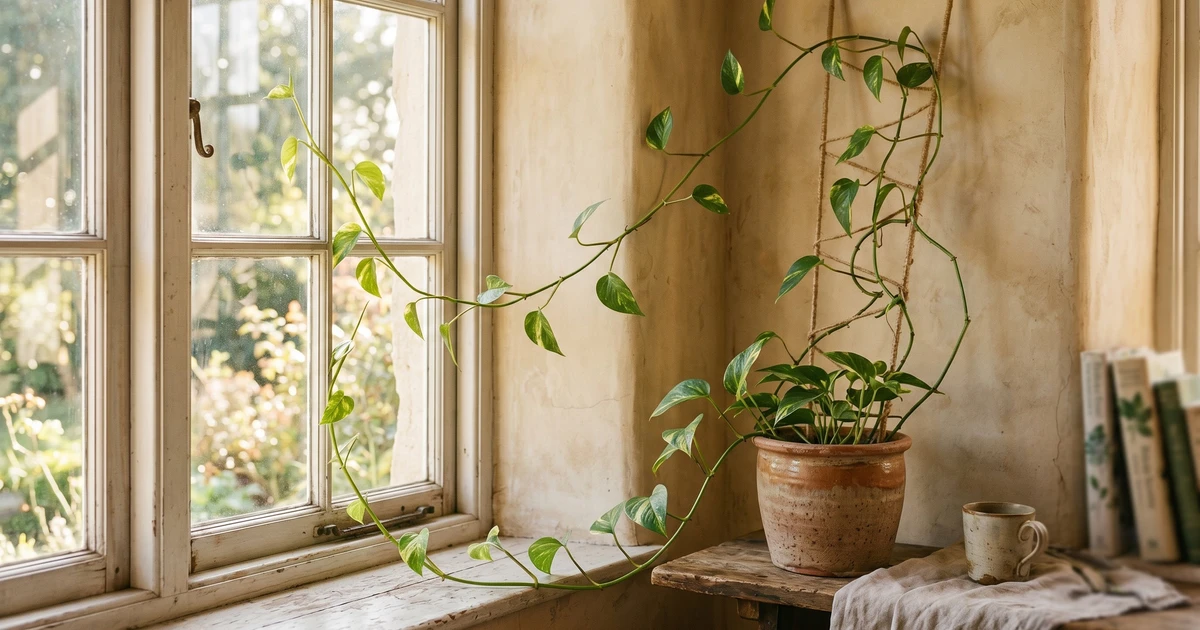
underwatering and Calathea Makoyana Peacock
Quick answer
If underwatering is what's going on with your Calathea Makoyana Peacock, the most likely cause is: Calathea makoyana needs the compost kept thoroughly moist throughout the spring and summer growing season, so when the medium is allowed to dry out the plant wilts, the lower foliage droops and the thin leaves curl because the roots cannot replace the moisture lost through transpiration in the warm, humid air the species requires.
Start here:
- 1. Soak the compost thoroughly until water runs from the drainage holes, then empty the drip tray after one hour so the roots do not then sit in standing water.
- 2. Water again as soon as the surface of the compost feels dry to the touch, keeping the medium evenly moist during spring and summer and only slightly drier in winter.
Why underwatering happens to Calathea Makoyana Peacock
calathea makoyana peacock
Calathea makoyana needs the compost kept thoroughly moist throughout the spring and summer growing season, so when the medium is allowed to dry out the plant wilts, the lower foliage droops and the thin leaves curl because the roots cannot replace the moisture lost through transpiration in the warm, humid air the species requires.
How to correct underwatering on Calathea Makoyana Peacock
- 1
Soak the compost thoroughly until water runs from the drainage holes, then empty the drip tray after one hour so the roots do not then sit in standing water.
- 2
Water again as soon as the surface of the compost feels dry to the touch, keeping the medium evenly moist during spring and summer and only slightly drier in winter.
- 3
Switch to soft rainwater for both watering and daily misting, because calathea foliage and roots react badly to the lime and fluoride in hard tap water.
Keep underwatering from repeating on this Calathea Makoyana Peacock
Check the compost with your finger before each watering, never let the pot stand in a tray of water, and feed with a dilute liquid fertilizer every two weeks in the growing season so the root system stays active and able to keep the large, thin leaves turgid.