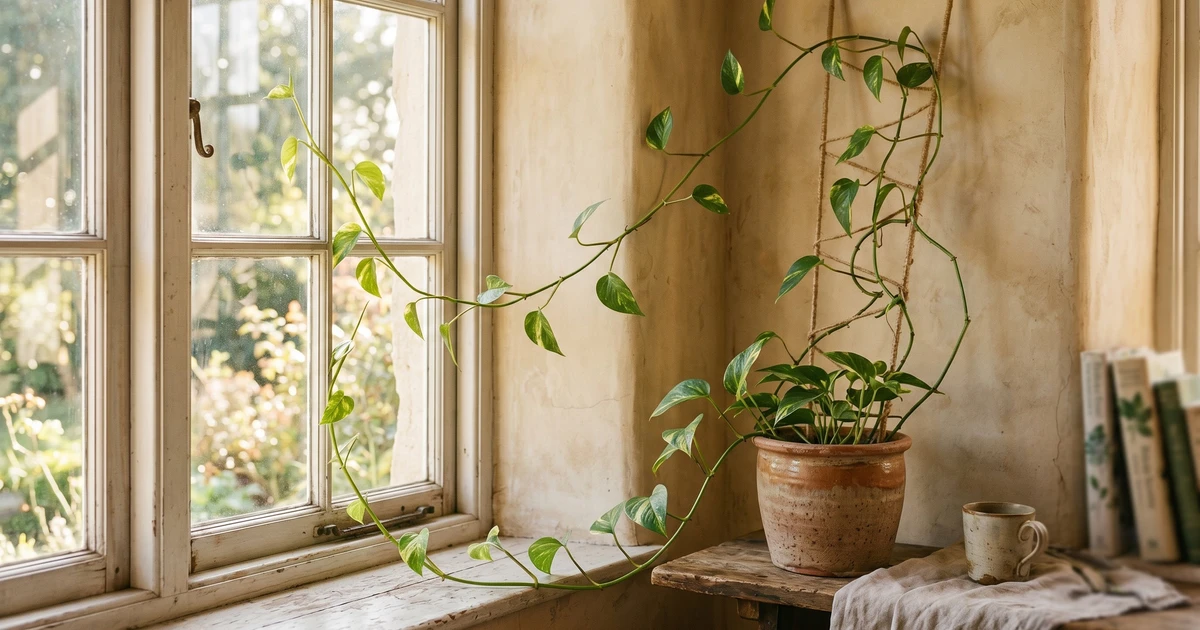
pale leaves on Calathea
Quick answer
If your Calathea has pale leaves, the most likely cause is: Pale, washed-out Calathea leaves indicate chlorosis—insufficient chlorophyll production. Unlike healthy variegation (distinct patterns), generalized paleness suggests inadequate light, nutrient deficiency (especially nitrogen or iron), or overwatering affecting nutrient uptake. Calatheas require bright indirect light for photosynthesis; low light (<100 foot-candles) causes etiolation and pale growth. Overwatering damages roots, preventing mineral absorption even when nutrients are present in soil.
Start here:
- 1. Assess light levels—if below 200 foot-candles, relocate to brighter indirect location
- 2. Check soil moisture and drainage—allow top 2 inches to dry between waterings
Why Calathea gets pale leaves
Goeppertia spp.
Pale, washed-out Calathea leaves indicate chlorosis—insufficient chlorophyll production. Unlike healthy variegation (distinct patterns), generalized paleness suggests inadequate light, nutrient deficiency (especially nitrogen or iron), or overwatering affecting nutrient uptake. Calatheas require bright indirect light for photosynthesis; low light (<100 foot-candles) causes etiolation and pale growth. Overwatering damages roots, preventing mineral absorption even when nutrients are present in soil.
How to reverse pale leaves on Calathea
- 1
Assess light levels—if below 200 foot-candles, relocate to brighter indirect location
- 2
Check soil moisture and drainage—allow top 2 inches to dry between waterings
- 3
Apply balanced houseplant fertilizer at half strength every 2-3 weeks during spring/summer
- 4
For severe cases: use chelated iron supplement following product instructions
- 5
Flush soil with plain water to remove excess fertilizer salts if buildup suspected
- 6
New growth should emerge darker green within 2-4 weeks if conditions corrected
Keep pale leaves off this Calathea
Provide bright indirect light (200-500 foot-candles) avoiding direct sun; use balanced liquid fertilizer monthly during growing season; ensure proper drainage to prevent root damage; maintain consistent soil moisture without waterlogging; flush soil quarterly to prevent salt buildup.