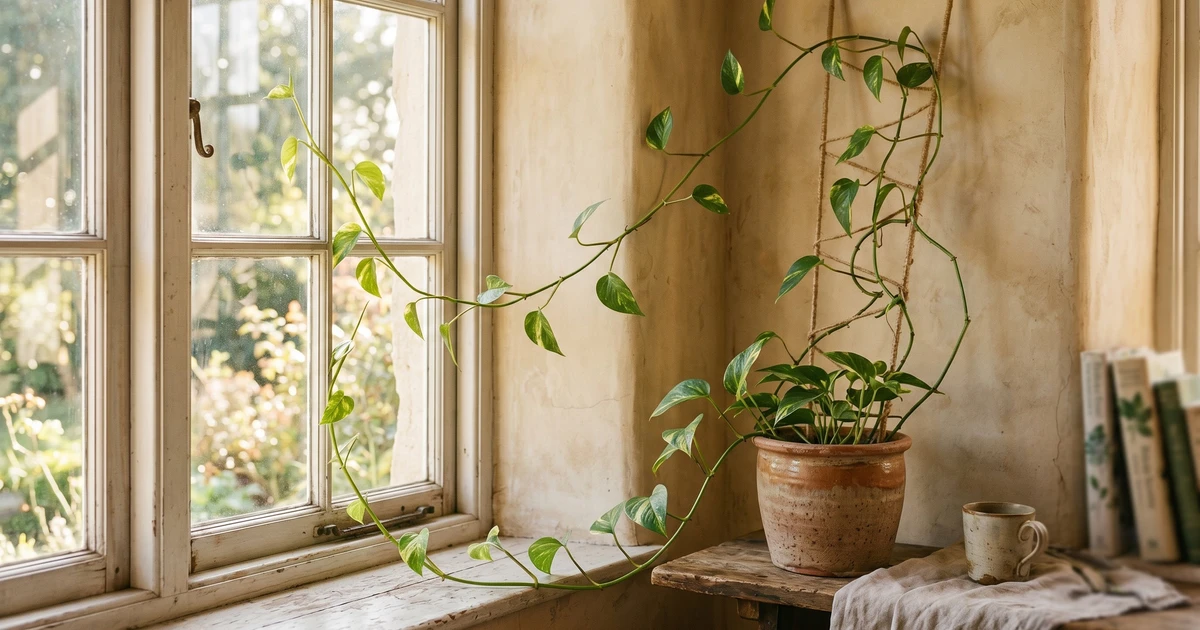
terracotta pot stress on Calathea
Quick answer
If your Calathea has terracotta pot stress, the most likely cause is: Calatheas require consistently moist (not wet) soil to maintain cellular turgor and support their large transpiring leaf surface. Unglazed terracotta pots wick moisture from soil through porous clay walls, causing soil to dry 30-50% faster than plastic or glazed ceramic. In terracotta, Calathea roots experience chronic water stress—soil swings from saturated after watering to bone-dry within 3-5 days. This moisture fluctuation triggers repeated drought stress responses: leaf curling, crispy margins, stunted growth, and root dessication. While terracotta benefits succulents by preventing rot, it creates the opposite problem for moisture-loving Calatheas.
Start here:
- 1. Immediate repot: Move from terracotta to plastic nursery pot or glazed ceramic with drainage holes
- 2. Soil adjustment: Use moisture-retentive mix (50% peat, 20% perlite, 20% orchid bark, 10% charcoal) to offset terracotta's drying effect if repotting not possible
Why Calathea gets terracotta pot stress
Goeppertia spp.
Calatheas require consistently moist (not wet) soil to maintain cellular turgor and support their large transpiring leaf surface. Unglazed terracotta pots wick moisture from soil through porous clay walls, causing soil to dry 30-50% faster than plastic or glazed ceramic. In terracotta, Calathea roots experience chronic water stress—soil swings from saturated after watering to bone-dry within 3-5 days. This moisture fluctuation triggers repeated drought stress responses: leaf curling, crispy margins, stunted growth, and root dessication. While terracotta benefits succulents by preventing rot, it creates the opposite problem for moisture-loving Calatheas.
How to reverse terracotta pot stress on Calathea
- 1
Immediate repot: Move from terracotta to plastic nursery pot or glazed ceramic with drainage holes
- 2
Soil adjustment: Use moisture-retentive mix (50% peat, 20% perlite, 20% orchid bark, 10% charcoal) to offset terracotta's drying effect if repotting not possible
- 3
Watering modification: If stuck in terracotta, water every 3-4 days instead of weekly; use finger test daily to monitor moisture 2 inches down
- 4
Cache pot method: Place terracotta pot inside larger waterproof cache pot to block moisture wicking; ensure cache pot has no standing water
- 5
Recovery monitoring: Watch for leaf unfurling and reduced crispiness within 1-2 weeks of switching to moisture-retentive container
- 6
Transition care: Keep humidity elevated (70%+) during transition to reduce transpiration while roots adjust
Keep terracotta pot stress off this Calathea
Use plastic, glazed ceramic, or self-watering pots for Calatheas; avoid unglazed terracotta completely; ensure all pots have drainage holes; match pot material to plant's moisture needs—terracotta for succulents, plastic for tropicals