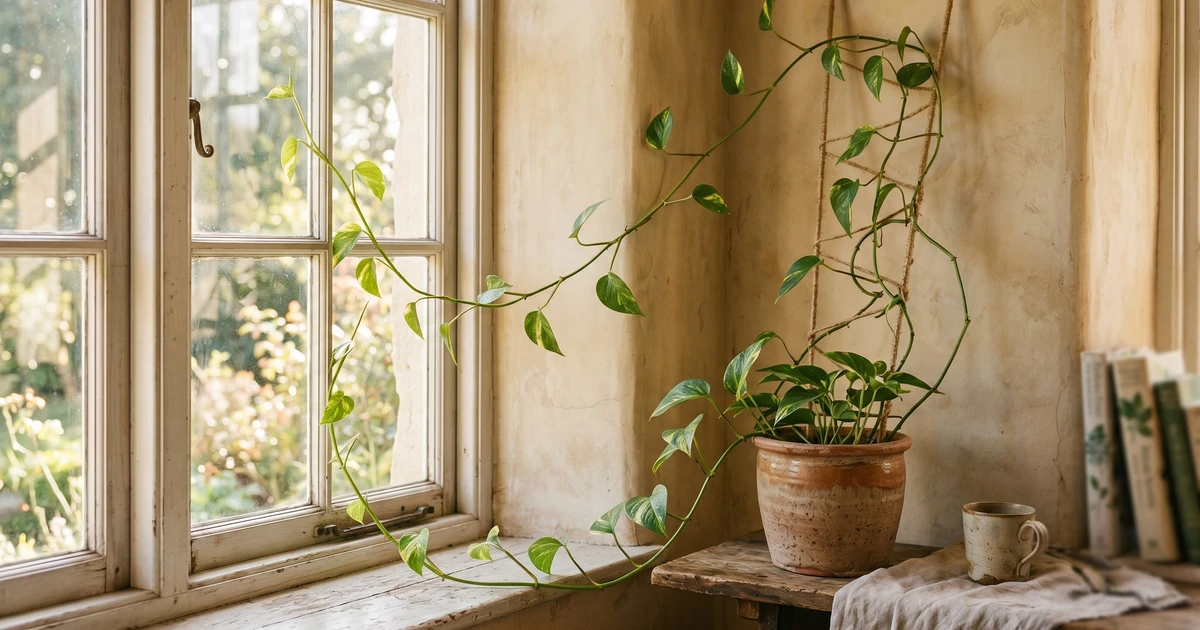
light and leaf color on Coleus Scutellarioides
Quick answer
If your Coleus Scutellarioides has light and leaf color, the most likely cause is: Coleus scutellarioides produces vibrant leaf pigments (anthocyanins, carotenoids, chlorophyll) in response to light intensity. Partial shade (2-6 hours direct sunlight) optimizes anthocyanin production for red, burgundy, and pink coloration, while excessive direct sun causes photoinhibition and wilting, and deep shade leads to leggy growth with faded colors as chlorophyll dominates over anthocyanins.
Start here:
- 1. Provide part shade location receiving 2-6 hours of direct morning or filtered afternoon sunlight
- 2. For indoor coleus, place in bright indirect light near east or north-facing windows
Why Coleus Scutellarioides gets light and leaf color
Coleus scutellarioides produces vibrant leaf pigments (anthocyanins, carotenoids, chlorophyll) in response to light intensity. Partial shade (2-6 hours direct sunlight) optimizes anthocyanin production for red, burgundy, and pink coloration, while excessive direct sun causes photoinhibition and wilting, and deep shade leads to leggy growth with faded colors as chlorophyll dominates over anthocyanins.
How to reverse light and leaf color on Coleus Scutellarioides
- 1
Provide part shade location receiving 2-6 hours of direct morning or filtered afternoon sunlight
- 2
For indoor coleus, place in bright indirect light near east or north-facing windows
- 3
If grown in full sun (6+ hours), ensure consistent soil moisture to prevent wilting
- 4
Rotate plants weekly to ensure even light distribution and uniform color development
- 5
If leaf colors appear faded, move to brighter location with filtered light
Keep light and leaf color off this Coleus Scutellarioides
Plant or position coleus in part shade (not full shade, not full sun) to maintain vibrant leaf coloration. Morning sun and filtered afternoon light produces the most intense colors.