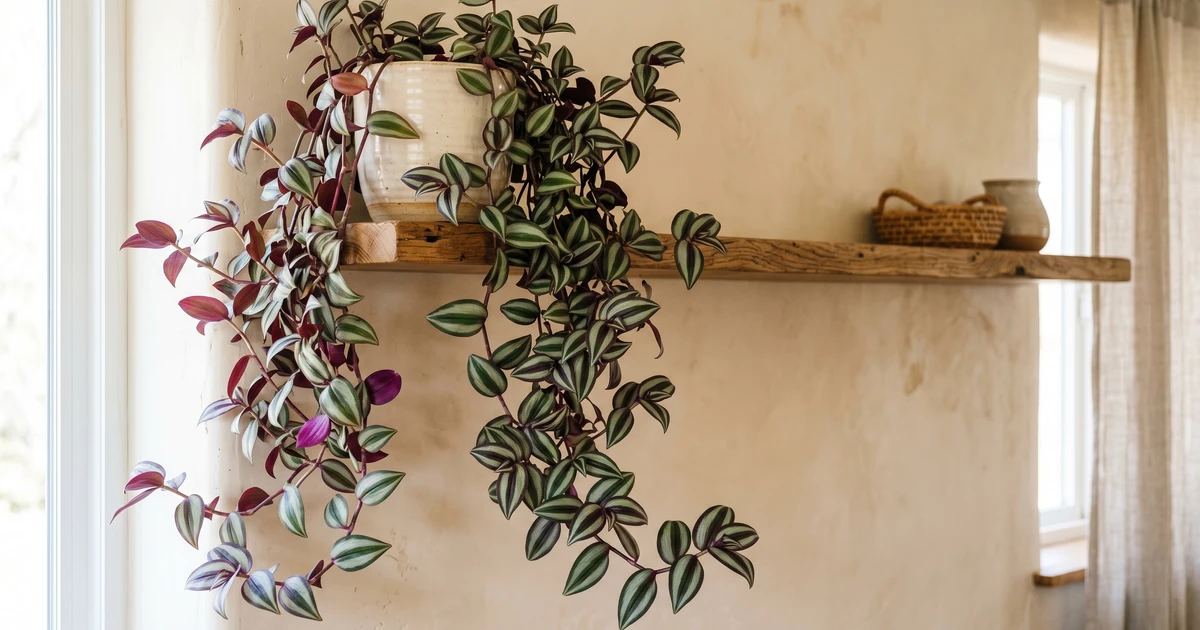
mealybugs on Hoya Retusa
Quick answer
If your Hoya Retusa has mealybugs, the most likely cause is: The Hoya genus, which includes the thin-leaved trailing species hoya retusa, is listed as susceptible to mealybugs; these round, soft-bodied insects covered in white, waxy fluff cluster along stems, under leaves, and along leaf veins in warm, moist indoor environments and are easy to miss until the population is heavy.
Start here:
- 1. Wipe the affected stems and the undersides of the leaves with a cotton swab or soft cloth dampened with isopropyl alcohol, repeating the treatment until no more pests appear, since total eradication is difficult once a plant is heavily infested.
- 2. Quarantine the infested hoya retusa away from healthy houseplants and, after physical removal, treat the whole vine with insecticidal soap or neem oil following the label directions, repeating applications because mealybugs are persistent.
Why Hoya Retusa gets mealybugs
hoya retusa
The Hoya genus, which includes the thin-leaved trailing species hoya retusa, is listed as susceptible to mealybugs; these round, soft-bodied insects covered in white, waxy fluff cluster along stems, under leaves, and along leaf veins in warm, moist indoor environments and are easy to miss until the population is heavy.
How to reverse mealybugs on Hoya Retusa
- 1
Wipe the affected stems and the undersides of the leaves with a cotton swab or soft cloth dampened with isopropyl alcohol, repeating the treatment until no more pests appear, since total eradication is difficult once a plant is heavily infested.
- 2
Quarantine the infested hoya retusa away from healthy houseplants and, after physical removal, treat the whole vine with insecticidal soap or neem oil following the label directions, repeating applications because mealybugs are persistent.
Keep mealybugs off this Hoya Retusa
Inspect new hoya retusa plants in isolation for a few weeks before adding them to a collection, avoid overwatering, and improve air circulation so the foliage does not stay warm and moist, which are the conditions mealybugs thrive in.