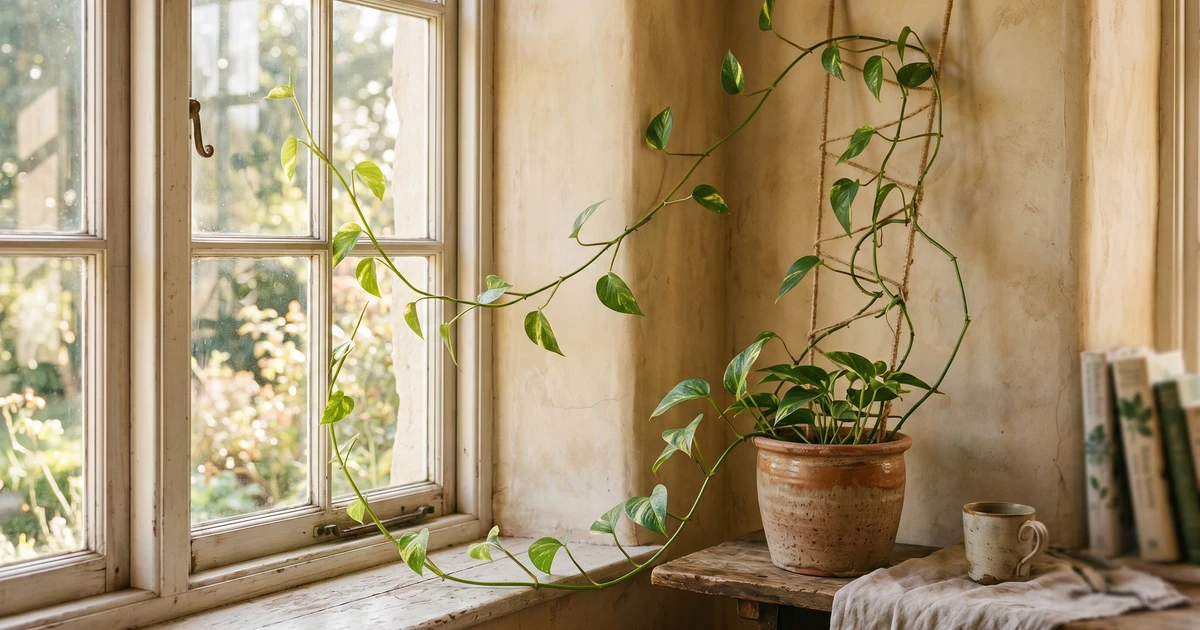
root rot on Kalanchoe Laxiflora
Quick answer
If your Kalanchoe Laxiflora has root rot, the most likely cause is: Kalanchoe Laxiflora is a Madagascar Crassulaceae succulent whose thick water-storing tissues rot quickly when soil stays wet for too long or when the plant is watered during its summer rest. Fungal pathogens colonize soggy root zones and the rot advances through the lower stem until the entire plant suddenly collapses or wilts without warning.
Start here:
- 1. Remove the plant from its pot, shake off all wet soil, and cut away every soft, dark, or mushy root and stem section back to firm pale tissue with a sterile knife.
- 2. Let the cleaned crown air-dry in a shaded, well-ventilated spot for a couple of days so the cut surfaces callus before repotting into a fresh, fast-draining cactus mix in a pot with a drainage hole.
Why Kalanchoe Laxiflora gets root rot
Kalanchoe Laxiflora
Kalanchoe Laxiflora is a Madagascar Crassulaceae succulent whose thick water-storing tissues rot quickly when soil stays wet for too long or when the plant is watered during its summer rest. Fungal pathogens colonize soggy root zones and the rot advances through the lower stem until the entire plant suddenly collapses or wilts without warning.
How to reverse root rot on Kalanchoe Laxiflora
- 1
Remove the plant from its pot, shake off all wet soil, and cut away every soft, dark, or mushy root and stem section back to firm pale tissue with a sterile knife.
- 2
Let the cleaned crown air-dry in a shaded, well-ventilated spot for a couple of days so the cut surfaces callus before repotting into a fresh, fast-draining cactus mix in a pot with a drainage hole.
- 3
Resume watering only when the new potting medium has dried out completely, and always water at soil level rather than over the leaves to keep the crown dry.
- 4
Move the recovering plant into partial shade during midsummer and withhold water during the heat of the day to prevent a second round of fungal attack.
Keep root rot off this Kalanchoe Laxiflora
Grow Kalanchoe Laxiflora in a gritty, low-organic cactus mix in a container with a drainage hole, allow the medium to dry fully between waterings, water at the base only, and keep the plant in partial shade with reduced irrigation during summer dormancy to keep fungal root rot from taking hold.