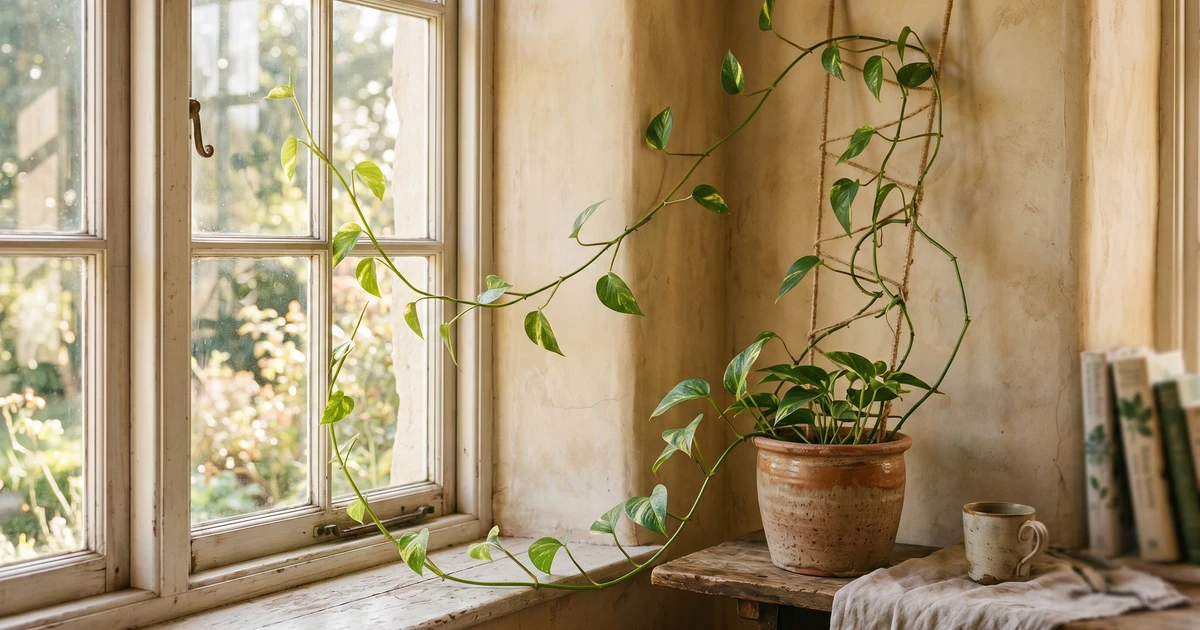
root rot on Maranta
Quick answer
If your Maranta has root rot, the most likely cause is: Maranta leuconeura root rot occurs when fine surface roots (adapted for rapid water uptake in rainforest humus) are submerged in waterlogged soil, creating anaerobic conditions that favor Pythium and Fusarium pathogens. Unlike succulents with thick storage roots, Maranta's thin feeder roots have high surface-area-to-volume ratio and rot rapidly — within 48-72 hours of saturation. The critical threshold is when soil remains soggy below the surface for more than 24 hours.
Start here:
- 1. Gently remove plant from pot and rinse roots under lukewarm water
- 2. Identify rot: healthy roots are white and pliable; rotted roots are black, mushy, and emit foul odor
Why Maranta gets root rot
Maranta leuconeura
Maranta leuconeura root rot occurs when fine surface roots (adapted for rapid water uptake in rainforest humus) are submerged in waterlogged soil, creating anaerobic conditions that favor Pythium and Fusarium pathogens. Unlike succulents with thick storage roots, Maranta's thin feeder roots have high surface-area-to-volume ratio and rot rapidly — within 48-72 hours of saturation. The critical threshold is when soil remains soggy below the surface for more than 24 hours.
How to reverse root rot on Maranta
- 1
Gently remove plant from pot and rinse roots under lukewarm water
- 2
Identify rot: healthy roots are white and pliable; rotted roots are black, mushy, and emit foul odor
- 3
Trim all black/mushy roots with sterilized scissors, cutting 1/4 inch into healthy tissue
- 4
Disinfect remaining roots with diluted hydrogen peroxide (1:4 water) for 30 seconds
- 5
Repot in fresh chunky aroid mix (50% peat, 30% perlite, 20% bark) in pot with clear drainage
- 6
Water sparingly post-repot; wait 5-7 days before first watering then keep lightly moist only
- 7
Place in 60-80% RH environment with bright indirect light to reduce recovery stress
Keep root rot off this Maranta
Water only when top 1-2 inches of soil reach field capacity (moist but not dripping); use well-draining aroid mix with 40%+ perlite/bark; always use pots with unobstructed drainage holes; never let pot sit in standing water for more than 15 minutes.