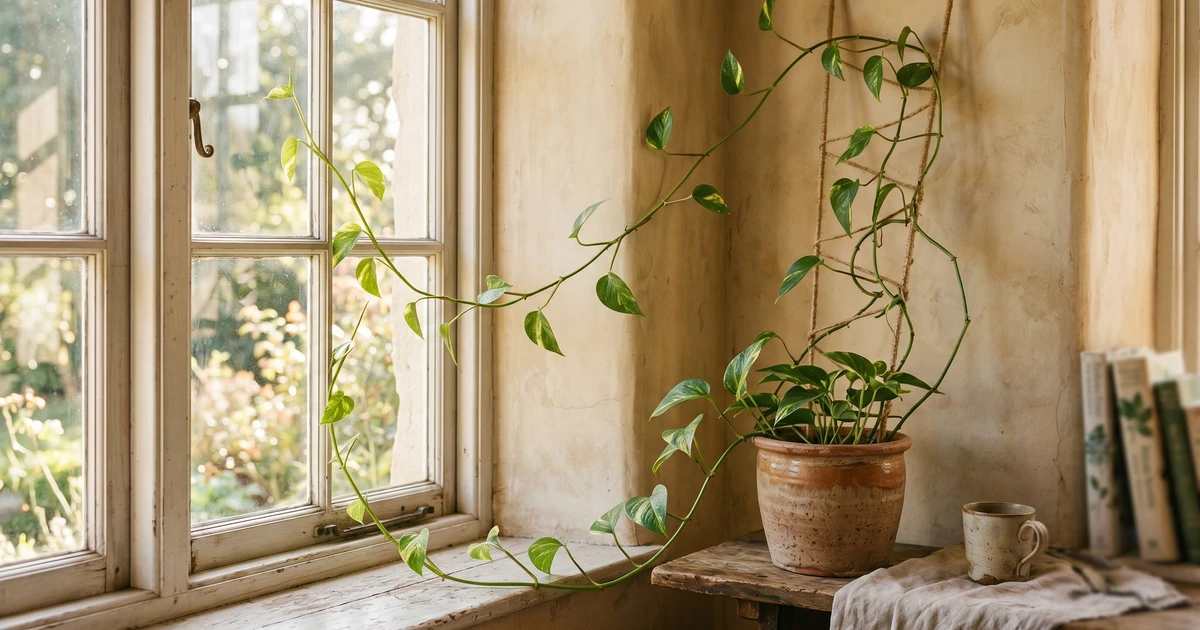
fenestration development on Monstera Deliciosa
Quick answer
If your Monstera Deliciosa has fenestration development, the most likely cause is: Insufficient photon flux (PAR) prevents Monstera deliciosa from reaching the metabolic threshold required to activate the genetic pathways for fenestration (leaf splitting). Fenestrations are a specialized adaptation to allow light penetration to lower foliage and reduce wind resistance. Low light leads to etiolated petioles and small, entire leaves.
Start here:
- 1. 1. Measure current light at leaf level; if below 800 FC, move closer to a south or east-facing window.
- 2. 2. Supplement with 36W full-spectrum LED grow lights for 12-14 hours daily if natural light is insufficient.
Why Monstera Deliciosa gets fenestration development
Monstera deliciosa
Insufficient photon flux (PAR) prevents Monstera deliciosa from reaching the metabolic threshold required to activate the genetic pathways for fenestration (leaf splitting). Fenestrations are a specialized adaptation to allow light penetration to lower foliage and reduce wind resistance. Low light leads to etiolated petioles and small, entire leaves.
How to reverse fenestration development on Monstera Deliciosa
- 1
1. Measure current light at leaf level; if below 800 FC, move closer to a south or east-facing window.
- 2
2. Supplement with 36W full-spectrum LED grow lights for 12-14 hours daily if natural light is insufficient.
- 3
3. Gradually acclimate to higher intensity over 10 days to prevent photo-inhibition and leaf bleach.
Keep fenestration development off this Monstera Deliciosa
Maintain light levels between 10,000 and 20,000 lux (1000-2000 FC) using a PAR meter or light app.
Other Monstera Deliciosa problems
Same Problem on Other Plants
Go Deeper
This is covered in-depth in the monstera deliciosa Mastery Pack — structured modules with video walkthroughs, advanced protocols, and rescue timelines.
Get the Mastery Pack — $37 →