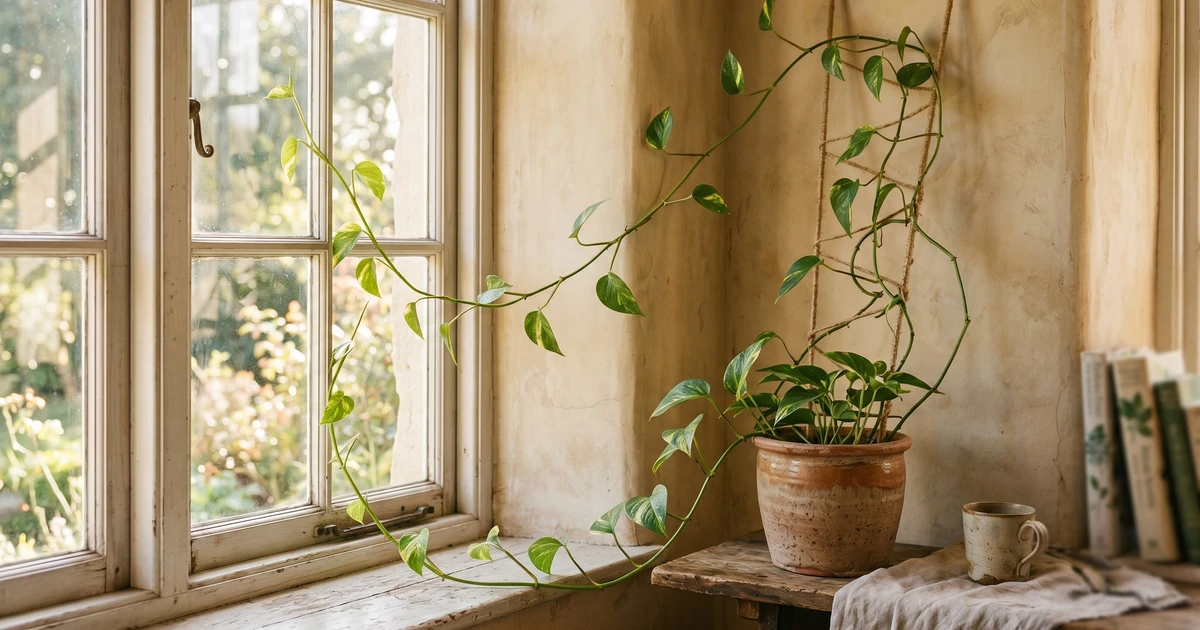
indoor care on Nephrolepis Exaltata
Quick answer
If your Nephrolepis Exaltata has indoor care, the most likely cause is: Boston ferns are tropical epiphytes requiring specific indoor conditions. Unlike seed plants, their stomata lack ABA responsiveness (PMID 41103075) and they have minimal drought adaptation (PMID 40781927). Indoor challenges include low humidity, inconsistent moisture from pot-bound conditions, inadequate bright indirect light, and bacterial pathogens like Herbaspirillum huttiense subsp. nephrolepidis.
Start here:
- 1. Light: Provide bright indirect light (1000-2000 lux) from east or north-facing windows
- 2. Humidity: Maintain 60-80% RH using humidifier, bathroom placement, or pebble trays
Why Nephrolepis Exaltata gets indoor care
Boston ferns are tropical epiphytes requiring specific indoor conditions. Unlike seed plants, their stomata lack ABA responsiveness (PMID 41103075) and they have minimal drought adaptation (PMID 40781927). Indoor challenges include low humidity, inconsistent moisture from pot-bound conditions, inadequate bright indirect light, and bacterial pathogens like Herbaspirillum huttiense subsp. nephrolepidis.
How to reverse indoor care on Nephrolepis Exaltata
- 1
Light: Provide bright indirect light (1000-2000 lux) from east or north-facing windows
- 2
Humidity: Maintain 60-80% RH using humidifier, bathroom placement, or pebble trays
- 3
Watering: Keep soil evenly moist but never soggy; water when top 1 inch feels dry
- 4
Soil: Use well-draining peat-based mix with 30% perlite
- 5
Temperature: Maintain 65-75°F; protect from cold drafts and heating vents
- 6
Fertilizer: Apply diluted balanced liquid fertilizer monthly during spring/summer only
Keep indoor care off this Nephrolepis Exaltata
Acclimate new plants gradually over 2 weeks to indoor conditions. Use glazed ceramic or plastic pots to retain moisture. Install hygrometer near plant for continuous RH monitoring. Inspect fronds monthly for bacterial leaf spot.