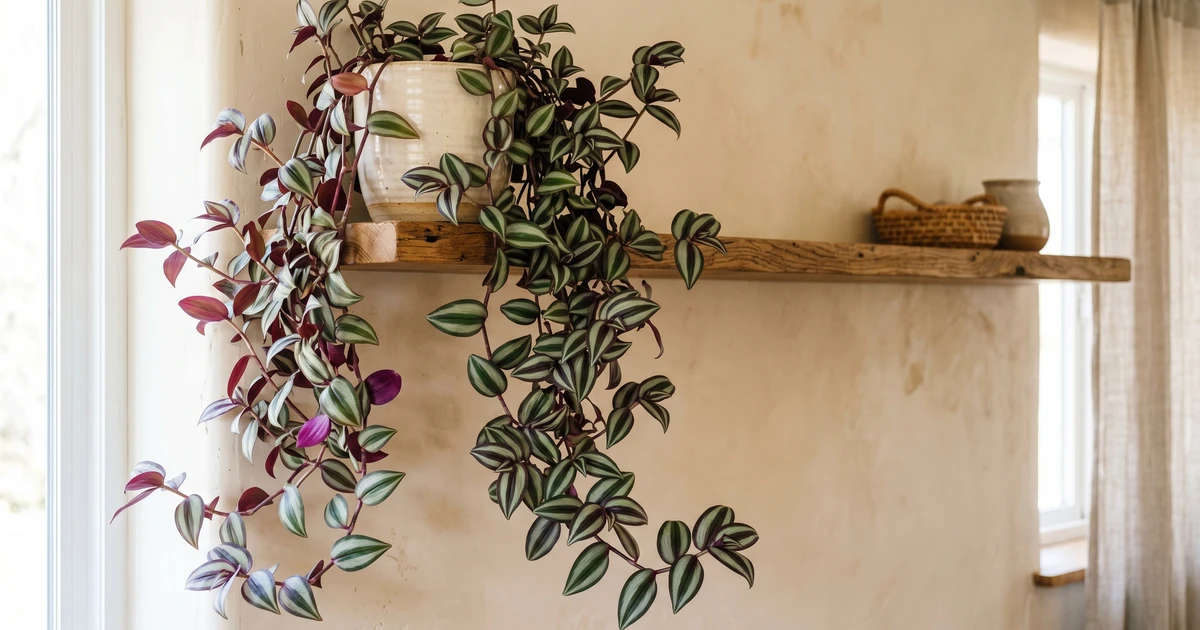
fertilizer urea burn on Phalaenopsis Orchid
Quick answer
If your Phalaenopsis Orchid has fertilizer urea burn, the most likely cause is: Phalaenopsis orchid roots are highly sensitive to salt burn from urea-based fertilizers. Orchids lack the soil bacteria (Rhizobium and others) that convert urea nitrogen into ammonium in terrestrial plants. Urea (CO(NH2)2) requires microbial hydrolysis to produce usable ammonium - without these bacteria in orchid bark media, urea accumulates as a toxic salt that draws water from root tissues via osmotic stress, causing burn, root die-back, and eventual plant decline.
Start here:
- 1. Avoid ALL Miracle-Gro fertilizers for orchids - their nitrogen comes from urea which burns orchid roots
- 2. Select orchid fertilizers where nitrogen is listed as ammonium or nitrate (check label for 'nitrogen' breakdown)
Why Phalaenopsis Orchid gets fertilizer urea burn
Phalaenopsis orchid roots are highly sensitive to salt burn from urea-based fertilizers. Orchids lack the soil bacteria (Rhizobium and others) that convert urea nitrogen into ammonium in terrestrial plants. Urea (CO(NH2)2) requires microbial hydrolysis to produce usable ammonium - without these bacteria in orchid bark media, urea accumulates as a toxic salt that draws water from root tissues via osmotic stress, causing burn, root die-back, and eventual plant decline.
How to reverse fertilizer urea burn on Phalaenopsis Orchid
- 1
Avoid ALL Miracle-Gro fertilizers for orchids - their nitrogen comes from urea which burns orchid roots
- 2
Select orchid fertilizers where nitrogen is listed as ammonium or nitrate (check label for 'nitrogen' breakdown)
- 3
Look for products like Dyna-Gro Grow (urea-free), Tezula MSU orchid formula, or any balanced fertilizer with NPK below 15%
- 4
If only urea-based fertilizer is available: dilute to 1/4 teaspoon per gallon (far below label instructions) and only use monthly
- 5
Signs of urea burn: root tips turn black and crispy, velamen layer separates from inner root, leaf edges yellow and die
- 6
If burn occurs: flush medium thoroughly with plain room-temperature water; repeat 3 times over 1 week to leach salts
- 7
For safe orchid nutrition: apply balanced fertilizer (10-10-10 or 20-20-20) at 1/4 strength weekly during active growth (spring-fall)
Keep fertilizer urea burn off this Phalaenopsis Orchid
Select fertilizers with ammoniacal (NH4+) or nitrate (NO3-) nitrogen as the primary nitrogen source; avoid urea-based products; always dilute to 1/4 strength or lower.