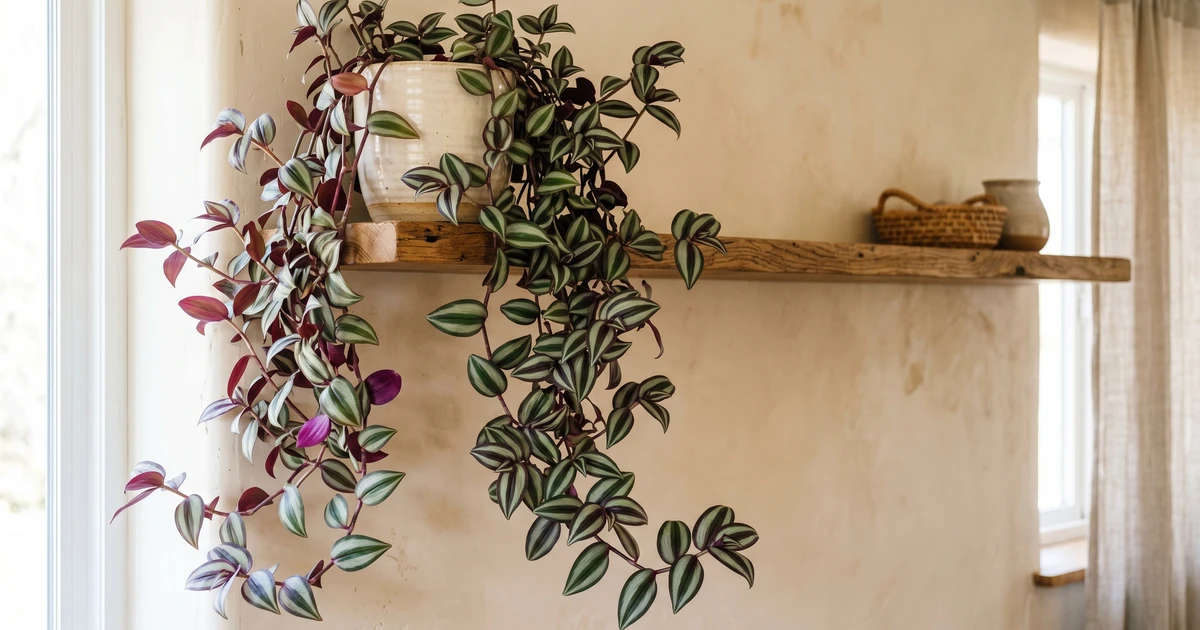
humidity optimal on Phalaenopsis Orchid
Quick answer
If your Phalaenopsis Orchid has humidity optimal, the most likely cause is: Phalaenopsis orchids require 50-70% relative humidity as tropical epiphytes adapted to environments where atmospheric moisture is consistently available. Below 40% humidity, orchid leaves lose water faster through transpiration than the root system can compensate, leading to osmotic stress that manifests as wilting, leaf crinkling, and eventual desiccation. The thin, highly permeable leaf tissue of Phalaenopsis makes them particularly sensitive to low humidity compared to succulent plants with thick water-storing leaves.
Start here:
- 1. Measure ambient humidity with a digital hygrometer placed at plant height - aim for 50-70% RH consistently
- 2. Use a cool-mist humidifier within 3 feet of orchids to maintain consistent humidity levels
Why Phalaenopsis Orchid gets humidity optimal
Phalaenopsis orchids require 50-70% relative humidity as tropical epiphytes adapted to environments where atmospheric moisture is consistently available. Below 40% humidity, orchid leaves lose water faster through transpiration than the root system can compensate, leading to osmotic stress that manifests as wilting, leaf crinkling, and eventual desiccation. The thin, highly permeable leaf tissue of Phalaenopsis makes them particularly sensitive to low humidity compared to succulent plants with thick water-storing leaves.
How to reverse humidity optimal on Phalaenopsis Orchid
- 1
Measure ambient humidity with a digital hygrometer placed at plant height - aim for 50-70% RH consistently
- 2
Use a cool-mist humidifier within 3 feet of orchids to maintain consistent humidity levels
- 3
Create a pebble tray: fill a shallow tray with stones and water, place pot on stones above the water line (pot not touching water)
- 4
Group orchids together to create a collective humid microclimate - plants release water through transpiration
- 5
Avoid placing orchids near heating/cooling vents that dramatically reduce humidity
- 6
In winter when indoor heating is active, check humidity more frequently as heating dramatically reduces relative humidity
- 7
If humidity exceeds 80% and mold appears on soil or leaves, improve air circulation immediately with a small fan
- 8
Mist orchids sparingly - misting alone cannot maintain 50%+ RH and can promote fungal growth on leaves if water pools
Keep humidity optimal off this Phalaenopsis Orchid
Maintain 50-70% RH using digital hygrometer monitoring; increase humidity before winter heating season; use humidifiers or pebble trays to buffer indoor air dryness.