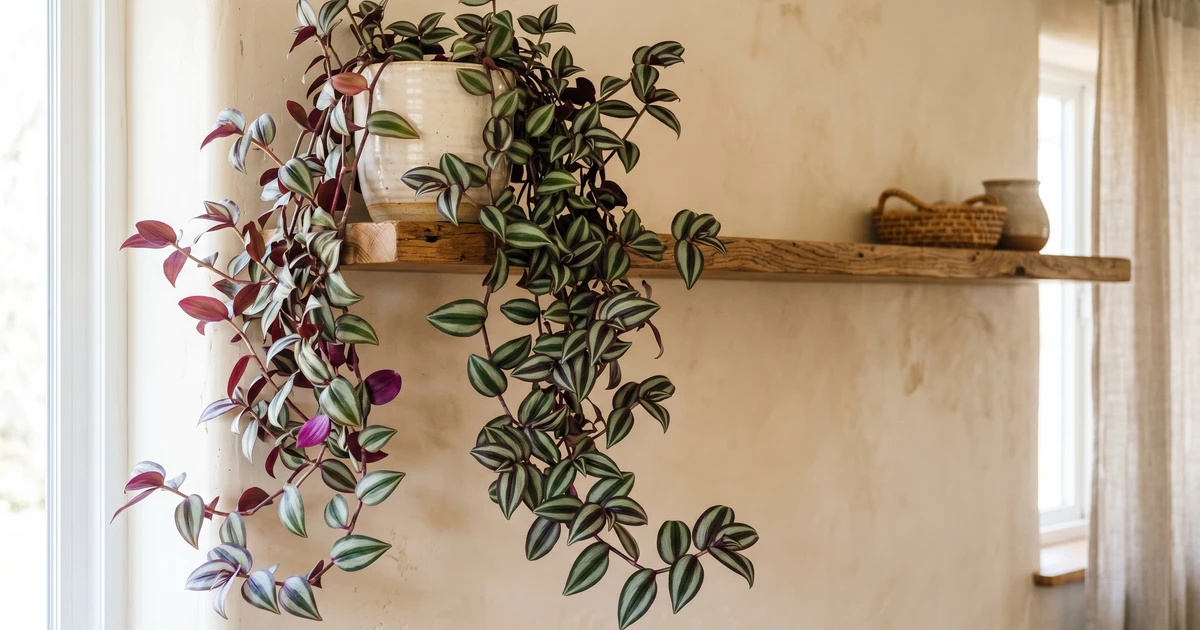
yellow leaves on Philodendron Grazielae
Quick answer
If your Philodendron Grazielae has yellow leaves, the most likely cause is: Yellowing leaves on Philodendron grazielae most often signal an overwatering or drainage problem rather than age alone. Houseplant manuals explain that 'bright yellow leaves with an almost see-through appearance ... are usually the result of overwatering, this could be because you're watering too frequently or your plant is potted into a vessel with poor drainage' (Bailey, The Houseplant Handbook). For philodendrons specifically, older leaves commonly yellow first when the root zone stays saturated and oxygen-starved, the same root-rot pathway that turns foliage chlorotic before leaves drop.
Start here:
- 1. Lift the plant from its decorative pot and confirm the inner nursery pot is not sitting in standing water; pour out any excess.
- 2. Check the substrate with a finger or chopstick: if it is wet below the top inch, withhold water until the top inch dries out.
Why Philodendron Grazielae gets yellow leaves
philodendron grazielae
Yellowing leaves on Philodendron grazielae most often signal an overwatering or drainage problem rather than age alone. Houseplant manuals explain that 'bright yellow leaves with an almost see-through appearance ... are usually the result of overwatering, this could be because you're watering too frequently or your plant is potted into a vessel with poor drainage' (Bailey, The Houseplant Handbook). For philodendrons specifically, older leaves commonly yellow first when the root zone stays saturated and oxygen-starved, the same root-rot pathway that turns foliage chlorotic before leaves drop.
How to reverse yellow leaves on Philodendron Grazielae
- 1
Lift the plant from its decorative pot and confirm the inner nursery pot is not sitting in standing water; pour out any excess.
- 2
Check the substrate with a finger or chopstick: if it is wet below the top inch, withhold water until the top inch dries out.
- 3
If yellowing is accompanied by mushy roots or a sour smell, unpot the plant, trim rotten roots with sterile shears, and repot into fresh, dry, free-draining aroid mix.
- 4
Trim off fully yellow leaves at the base so the plant directs energy to new, healthy growth, removing no more than one-third of the leaf surface at once.
- 5
Resume a measured watering rhythm only after new growth emerges, watering deeply but letting the top inch dry between sessions.
Keep yellow leaves off this Philodendron Grazielae
Pot Philodendron grazielae in a chunky, well-draining aroid mix in a nursery pot with drainage holes; water only when the top inch of mix is dry and empty any cachepot runoff. Keep the plant in bright, indirect light with steady warmth and avoid letting temperatures drop into the cool range, since 'overwatering greatly increases the risk of root rot, especially in winter when temperatures may be cooler' (Pleasant, The Complete Houseplant Survival Manual).