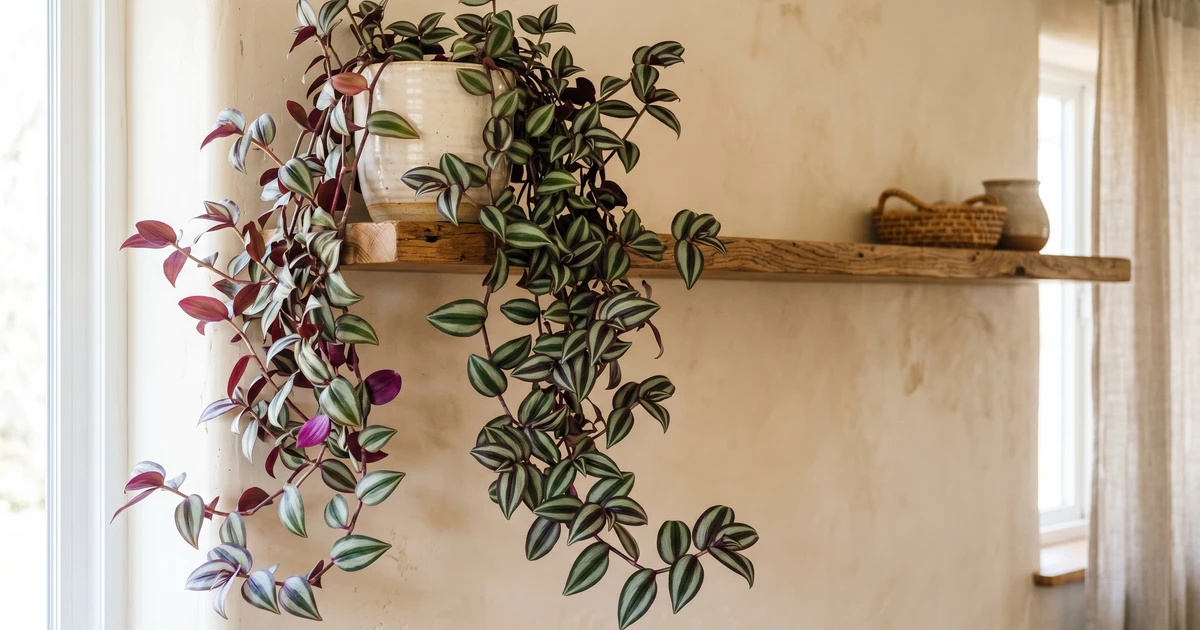
pink princess care on Philodendron Pink Princess
Quick answer
If your Philodendron Pink Princess has pink princess care, the most likely cause is: Philodendron erubescens 'Pink Princess' is a highly sought-after cultivar with bubblegum-pink variegation resulting from a spontaneous genetic mutation. The pink sectors contain no chlorophyll, making the plant slower-growing and requiring more light than standard green varieties. Pink reversion to green occurs when the plant compensates for insufficient light by producing more chlorophyll-rich tissue. The cultivar is also susceptible to Xanthomonas bacterial infection common in the Araceae family.
Start here:
- 1. Move to brighter location if pink fades to green—gradually acclimate over 1 week
- 2. Prune reverted green stems back to last pink node to encourage variegated regrowth
Why Philodendron Pink Princess gets pink princess care
Philodendron erubescens 'Pink Princess' is a highly sought-after cultivar with bubblegum-pink variegation resulting from a spontaneous genetic mutation. The pink sectors contain no chlorophyll, making the plant slower-growing and requiring more light than standard green varieties. Pink reversion to green occurs when the plant compensates for insufficient light by producing more chlorophyll-rich tissue. The cultivar is also susceptible to Xanthomonas bacterial infection common in the Araceae family.
How to reverse pink princess care on Philodendron Pink Princess
- 1
Move to brighter location if pink fades to green—gradually acclimate over 1 week
- 2
Prune reverted green stems back to last pink node to encourage variegated regrowth
- 3
Use grow lights (12-16 inches away) if natural light is insufficient
- 4
Inspect regularly for bacterial leaf spot (dark water-soaked lesions with yellow halos)
- 5
Isolate immediately if bacterial infection suspected and remove affected leaves
Keep pink princess care off this Philodendron Pink Princess
Maintain bright indirect light (4000-5500 lux) to preserve pink variegation; avoid direct sun which burns pink tissue; use well-draining mix; water when top 2 inches dry; quarantine new plants to prevent bacterial spread.