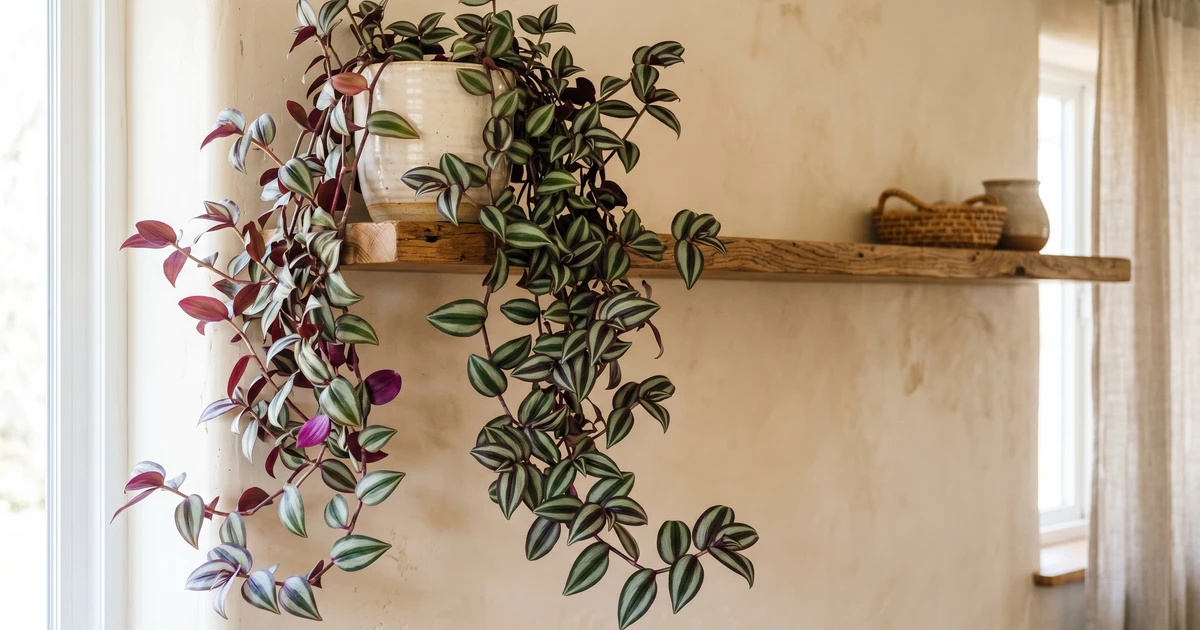
spider mites on Philodendron Red Congo
Quick answer
If your Philodendron Red Congo has spider mites, the most likely cause is: Spider mites on Philodendron 'Red Congo' are the same microscopic red arachnids that attack the wider genus: Jack Kramer's 1974 chart describes fine webs at leaf and stem axils with leaves mottled, turning gray or brown and crumbly, and he notes that dry crumbling leaves, brown leaves, and identical spider-mite damage can all show up on philodendrons kept where the air is hot and dry.
Start here:
- 1. Blast the plant with a vigorous water spray from above and underneath to physically break the webs and dislodge the mites, repeating every few days while the infestation is active.
- 2. Wipe foliage weekly with a damp cloth or mist with clear tepid water; this cleansing tends to remove insect eggs and spider mites and discourages other pests, and is preferable to leaf-shining preparations that clog leaf pores.
Why Philodendron Red Congo gets spider mites
philodendron red congo
Spider mites on Philodendron 'Red Congo' are the same microscopic red arachnids that attack the wider genus: Jack Kramer's 1974 chart describes fine webs at leaf and stem axils with leaves mottled, turning gray or brown and crumbly, and he notes that dry crumbling leaves, brown leaves, and identical spider-mite damage can all show up on philodendrons kept where the air is hot and dry.
How to reverse spider mites on Philodendron Red Congo
- 1
Blast the plant with a vigorous water spray from above and underneath to physically break the webs and dislodge the mites, repeating every few days while the infestation is active.
- 2
Wipe foliage weekly with a damp cloth or mist with clear tepid water; this cleansing tends to remove insect eggs and spider mites and discourages other pests, and is preferable to leaf-shining preparations that clog leaf pores.
- 3
If the infestation is heavy, apply a miticide such as Dimite or Aramite, or rotate to insecticidal soap and horticultural oil, treating both leaf surfaces and the leaf-stem axils where the mites and their webs concentrate.
Keep spider mites off this Philodendron Red Congo
Keep humidity around the plant high enough that the foliage does not crisp, wipe or mist leaves weekly to remove dust and eggs, and isolate any new philodendron for a trial period before adding it to the indoor garden so mites cannot ride in on a stranger.