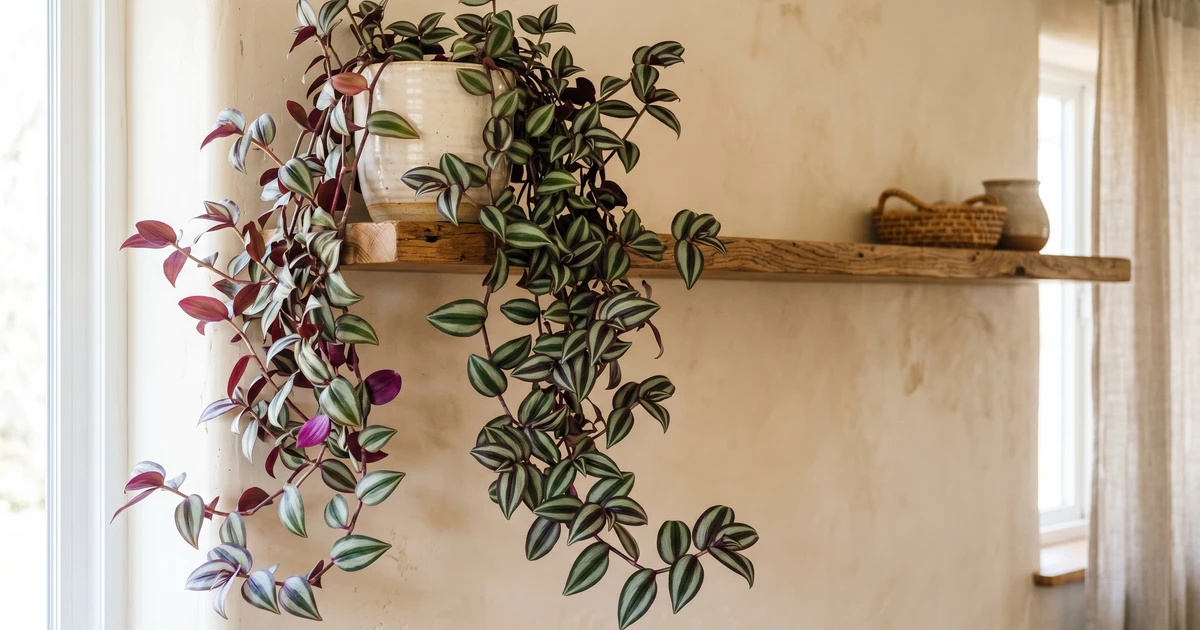
chlorophyll enhancement on Philodendron Selloum
Quick answer
If your Philodendron Selloum has chlorophyll enhancement, the most likely cause is: Nano-NPK and nano-chitosan treatments elevated chlorophyll a from ~1.0 mg/g to ~1.5 mg/g, chlorophyll b from ~0.35 to ~0.7 mg/g, and total carotenoids from ~0.25 to ~0.45 mg/g in Philodendron sellum — increases driven by enhanced nitrogen assimilation and Mg²⁺ uptake via nanoparticle-facilitated ion channels.
Start here:
- 1. Apply 3 mg/L nano-NPK foliar spray every 15 days to maximize chlorophyll a (~1.52 mg/g)
- 2. Alternatively use 2 mg/L nano-NPK + 3 mg/L nano-chitosan for chlorophyll b boost (~0.78 mg/g)
Why Philodendron Selloum gets chlorophyll enhancement
Nano-NPK and nano-chitosan treatments elevated chlorophyll a from ~1.0 mg/g to ~1.5 mg/g, chlorophyll b from ~0.35 to ~0.7 mg/g, and total carotenoids from ~0.25 to ~0.45 mg/g in Philodendron sellum — increases driven by enhanced nitrogen assimilation and Mg²⁺ uptake via nanoparticle-facilitated ion channels.
How to reverse chlorophyll enhancement on Philodendron Selloum
- 1
Apply 3 mg/L nano-NPK foliar spray every 15 days to maximize chlorophyll a (~1.52 mg/g)
- 2
Alternatively use 2 mg/L nano-NPK + 3 mg/L nano-chitosan for chlorophyll b boost (~0.78 mg/g)
- 3
Morning application ensures optimal stomatal uptake of nanoparticles
Keep chlorophyll enhancement off this Philodendron Selloum
Maintain 3 mg/L nano-NPK or 2 mg/L nano-NPK + 3 mg/L nano-chitosan every 15 days to sustain chlorophyll levels above 1.2 mg/g chlorophyll a.