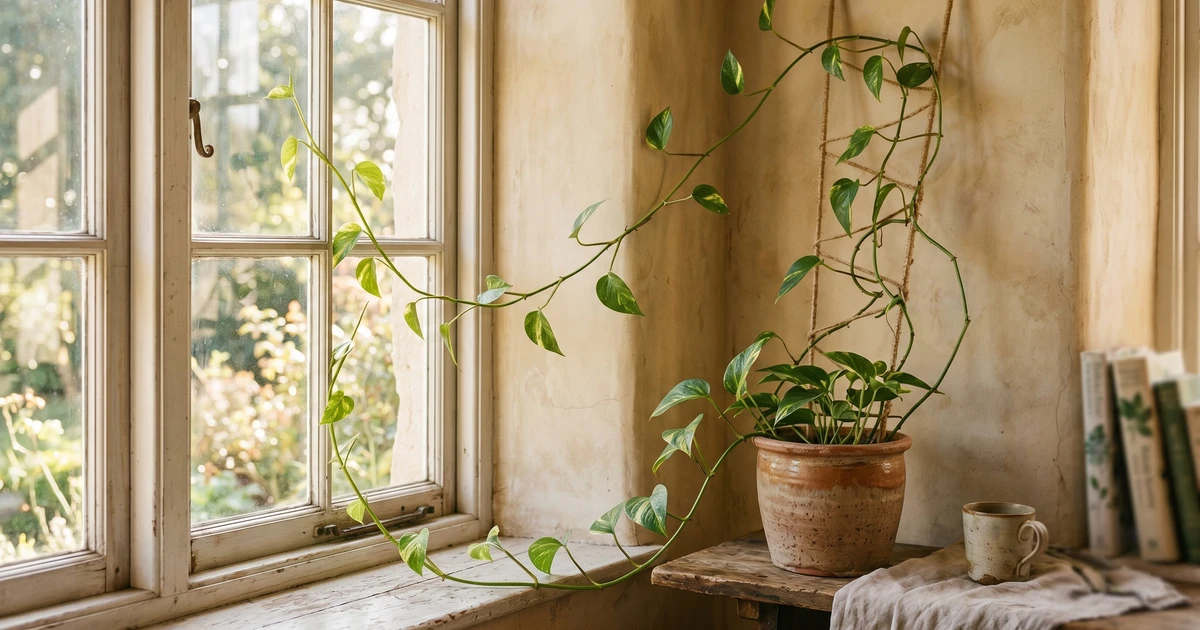
etiolation on Schefflera
Quick answer
If your Schefflera has etiolation, the most likely cause is: When an indoor schefflera is kept in a spot that does not deliver enough light for long enough, its stems stretch out long and bare between the leaf nodes (the classic leggy look), and any variegated cultivars start losing their yellow or cream markings as the plant stops producing enough chlorophyll-poor tissue to display them. The Complete Houseplant Survival Manual lists this as the first troubleshooting entry in its Schefflera profile, attributing it to too little light and noting that all scheffleras tend to become lanky as they age.
Start here:
- 1. Move the plant to a brighter filtered-light spot, ideally near a south- or west-facing window with a sheer curtain, and rotate the pot a quarter turn every few weeks so all sides of the canopy receive equal light.
- 2. Pinch or prune back the leggy stems to a healthy node to force branching lower down on the plant, then propagate the excised tips as stem cuttings in moist potting mix to start replacement plants rather than discard the prunings.
Why Schefflera gets etiolation
Schefflera spp.
When an indoor schefflera is kept in a spot that does not deliver enough light for long enough, its stems stretch out long and bare between the leaf nodes (the classic leggy look), and any variegated cultivars start losing their yellow or cream markings as the plant stops producing enough chlorophyll-poor tissue to display them. The Complete Houseplant Survival Manual lists this as the first troubleshooting entry in its Schefflera profile, attributing it to too little light and noting that all scheffleras tend to become lanky as they age.
How to reverse etiolation on Schefflera
- 1
Move the plant to a brighter filtered-light spot, ideally near a south- or west-facing window with a sheer curtain, and rotate the pot a quarter turn every few weeks so all sides of the canopy receive equal light.
- 2
Pinch or prune back the leggy stems to a healthy node to force branching lower down on the plant, then propagate the excised tips as stem cuttings in moist potting mix to start replacement plants rather than discard the prunings.
Keep etiolation off this Schefflera
Provide bright, filtered light year-round, especially in winter when natural daylight drops, and supplement with a fluorescent or grow light if a brighter window is not available; rotate the pot regularly so the schefflera does not lean toward one light source, and prune annually to keep a compact shape before the stems become bare and woody.