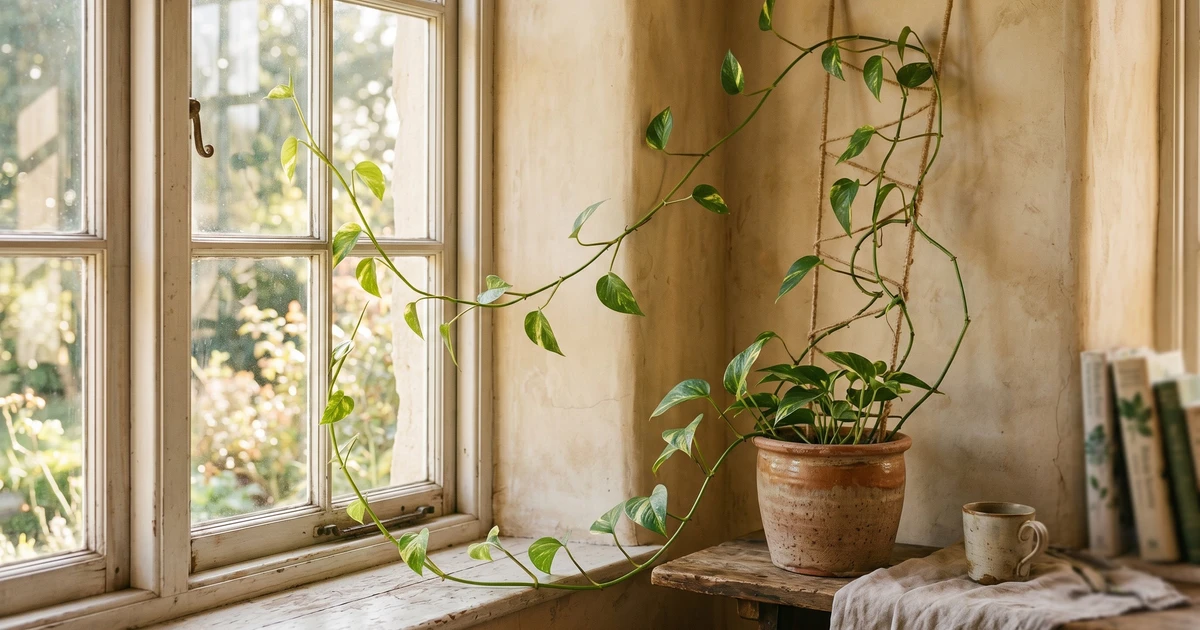
bottom watering technique on Snake Plant
Quick answer
If your Snake Plant has bottom watering technique, the most likely cause is: Snake plant (Dracaena trifasciata) benefits from bottom watering because it encourages deep root growth and prevents surface-soil saturation that leads to root rot. Bottom watering works by allowing the root zone to absorb water from below via capillary action, mimicking the natural water table dynamics of the plant's native arid African habitats.
Start here:
- 1. Fill a tray or saucer with room-temperature water (filtered or distilled preferred to avoid fluoride/chlorine sensitivity)
- 2. Place the snake plant pot in the water tray — water level should reach 1/3 to 1/2 up the pot height, not submerging the pot rim
Why Snake Plant gets bottom watering technique
Dracaena trifasciata
Snake plant (Dracaena trifasciata) benefits from bottom watering because it encourages deep root growth and prevents surface-soil saturation that leads to root rot. Bottom watering works by allowing the root zone to absorb water from below via capillary action, mimicking the natural water table dynamics of the plant's native arid African habitats.
How to reverse bottom watering technique on Snake Plant
- 1
Fill a tray or saucer with room-temperature water (filtered or distilled preferred to avoid fluoride/chlorine sensitivity)
- 2
Place the snake plant pot in the water tray — water level should reach 1/3 to 1/2 up the pot height, not submerging the pot rim
- 3
Allow the plant to absorb water for 20-30 minutes until the soil surface becomes moist (indicates full saturation to the bottom)
- 4
Remove the pot from the tray and allow it to drain freely for 10-15 minutes
- 5
Empty any remaining water in the drip saucer after 30 minutes — never let the pot sit in standing water
- 6
Bottom water every 3-4 weeks in summer, every 4-6 weeks in winter; between bottom waterings, allow soil to dry completely
- 7
Terracotta pots work best for bottom watering as they wick moisture through walls, preventing over-saturation at the root zone
Keep bottom watering technique off this Snake Plant
Use bottom watering exclusively or as the primary method to train roots to grow deep. This reduces the risk of overwatering by requiring patience — the plant only absorbs what it needs.
Other Snake Plant problems
Same Problem on Other Plants
Go Deeper
This is covered in-depth in the snake plant Mastery Pack — structured modules with video walkthroughs, advanced protocols, and rescue timelines.
Get the Mastery Pack — $37 →