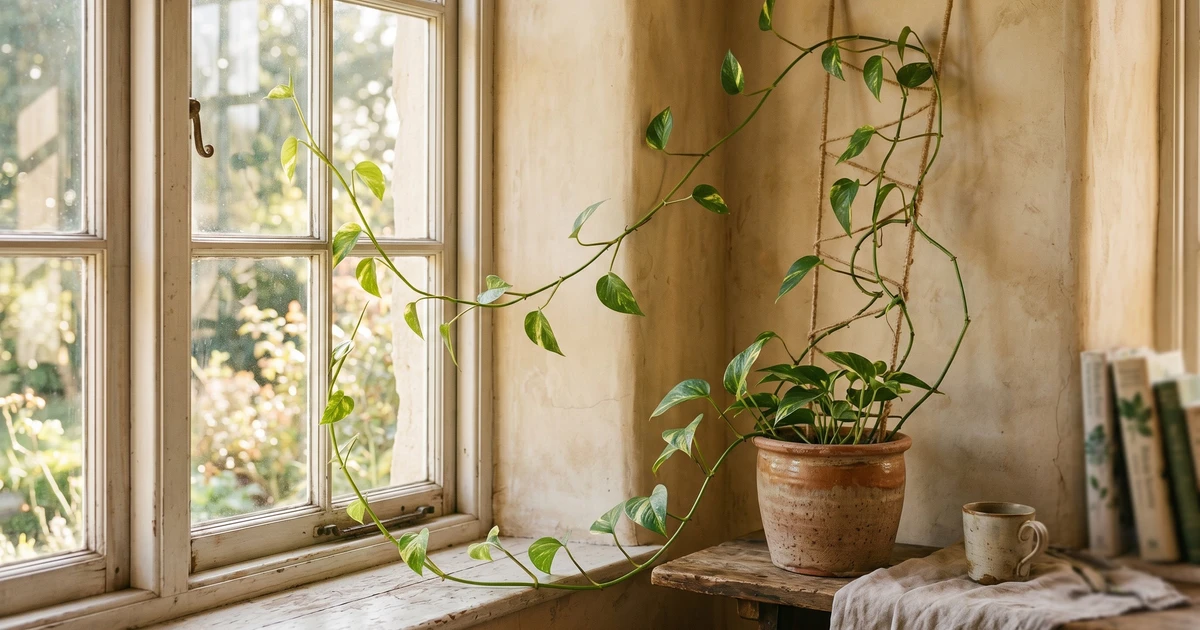
low humidity and Snake Plant
Quick answer
If low humidity is what's going on with your Snake Plant, the most likely cause is: Snake plants tolerate low humidity but develop crispy leaf tips when ambient humidity drops below 30% for extended periods. The affected leaf tissue loses moisture faster than the root system can compensate, causing desiccation at the most exposed (and physiologically active) leaf tip area.
Start here:
- 1. Increase humidity using a cool-mist humidifier within 3 feet of the plant
- 2. Use a pebble tray: fill shallow tray with water and stones, place pot on stones above water line
Why low humidity happens to Snake Plant
Dracaena trifasciata
Snake plants tolerate low humidity but develop crispy leaf tips when ambient humidity drops below 30% for extended periods. The affected leaf tissue loses moisture faster than the root system can compensate, causing desiccation at the most exposed (and physiologically active) leaf tip area.
How to correct low humidity on Snake Plant
- 1
Increase humidity using a cool-mist humidifier within 3 feet of the plant
- 2
Use a pebble tray: fill shallow tray with water and stones, place pot on stones above water line
- 3
Move plant away from heating/cooling vents and drafty doorways
- 4
Trim brown tips with sharp scissors at an angle for natural appearance if desired
- 5
Monitor improvement over 2-4 weeks; new growth should emerge without browning
- 6
Once humidity stabilizes above 40%, crispy tips should not recur on new growth
Keep low humidity from repeating on this Snake Plant
Maintain 40-50% relative humidity using humidifiers in dry climates or during winter heating season. Avoid placement near heating/cooling vents that dramatically reduce humidity.
Other Snake Plant problems
Same Problem on Other Plants
Go Deeper
This is covered in-depth in the snake plant Mastery Pack — structured modules with video walkthroughs, advanced protocols, and rescue timelines.
Get the Mastery Pack — $37 →