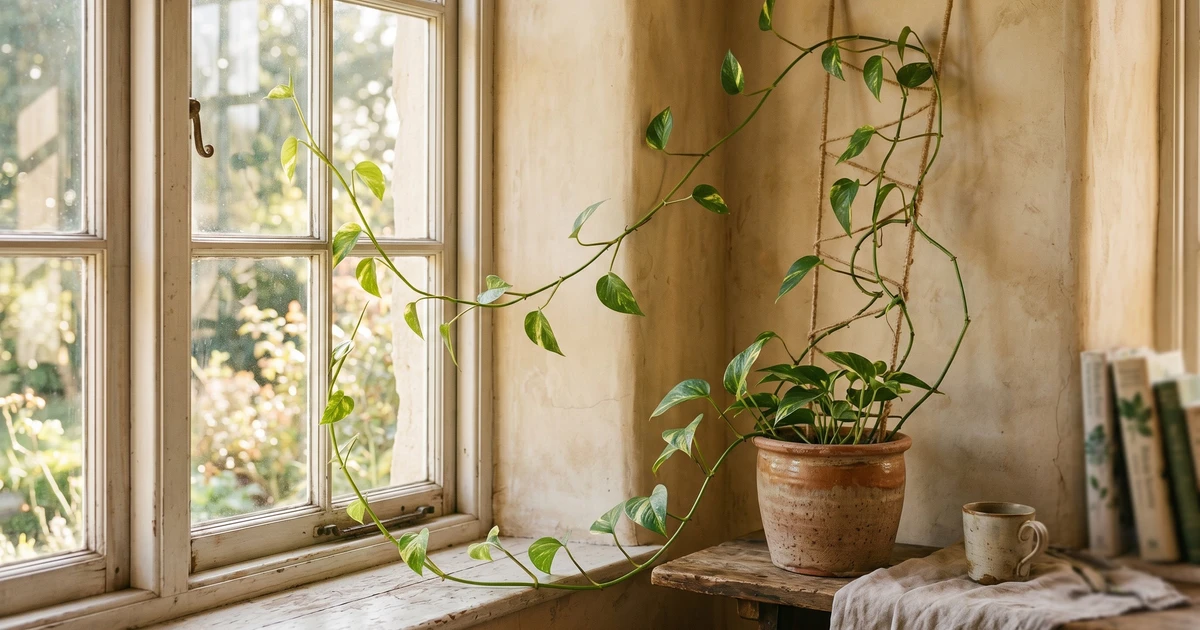
porous pot material on Snake Plant
Quick answer
If your Snake Plant has porous pot material, the most likely cause is: Container material directly determines soil drying rate and root zone oxygen availability. Unglazed terracotta (15-25% open porosity) allows vapor transfer through pot walls, creating uniform drying from all surfaces. Plastic pots (0% porosity) seal moisture inside, causing bottom-heavy saturation and extended anaerobic conditions. Glazed ceramic (0% porosity but decorative) behaves identically to plastic. Concrete (5-10% porosity, variable) dries slower than terracotta due to denser microstructure. For Dracaena trifasciata — a plant species that evolved in rapidly drained rocky savanna soils with low organic matter — the pot material determines whether roots experience oxygenated or hypoxic conditions within 48 hours of watering.
Start here:
- 1. For snake plants, use ONLY unglazed terracotta or fabric grow bags — both materials prevent overwatering by maintaining oxygen at the root zone
- 2. Avoid plastic pots for snake plants unless you use a moisture meter to confirm soil is below 40% field capacity before each watering
Why Snake Plant gets porous pot material
Dracaena trifasciata
Container material directly determines soil drying rate and root zone oxygen availability. Unglazed terracotta (15-25% open porosity) allows vapor transfer through pot walls, creating uniform drying from all surfaces. Plastic pots (0% porosity) seal moisture inside, causing bottom-heavy saturation and extended anaerobic conditions. Glazed ceramic (0% porosity but decorative) behaves identically to plastic. Concrete (5-10% porosity, variable) dries slower than terracotta due to denser microstructure. For Dracaena trifasciata — a plant species that evolved in rapidly drained rocky savanna soils with low organic matter — the pot material determines whether roots experience oxygenated or hypoxic conditions within 48 hours of watering.
How to reverse porous pot material on Snake Plant
- 1
For snake plants, use ONLY unglazed terracotta or fabric grow bags — both materials prevent overwatering by maintaining oxygen at the root zone
- 2
Avoid plastic pots for snake plants unless you use a moisture meter to confirm soil is below 40% field capacity before each watering
- 3
Avoid glazed ceramic and sealed concrete pots — these trap moisture identically to plastic and cause root rot in snake plants
- 4
If propagating snake plant cuttings: terracotta is strongly preferred because the faster drying signals roots to search for water, stimulating root development
- 5
If keeping multiple plants: group terracotta pots together in humid microclimates — they will dry at similar rates, simplifying scheduling
Keep porous pot material off this Snake Plant
Match pot material to plant water needs: snake plants require unglazed terracotta or fabric grow bags (which also have 100% porosity through fabric walls). Plastic pots and glazed ceramic should only be used if the owner can precisely regulate watering frequency based on soil moisture meters, not calendars. If using plastic, reduce watering frequency by 40-50% compared to terracotta.
Other Snake Plant problems
Go Deeper
This is covered in-depth in the snake plant Mastery Pack — structured modules with video walkthroughs, advanced protocols, and rescue timelines.
Get the Mastery Pack — $37 →