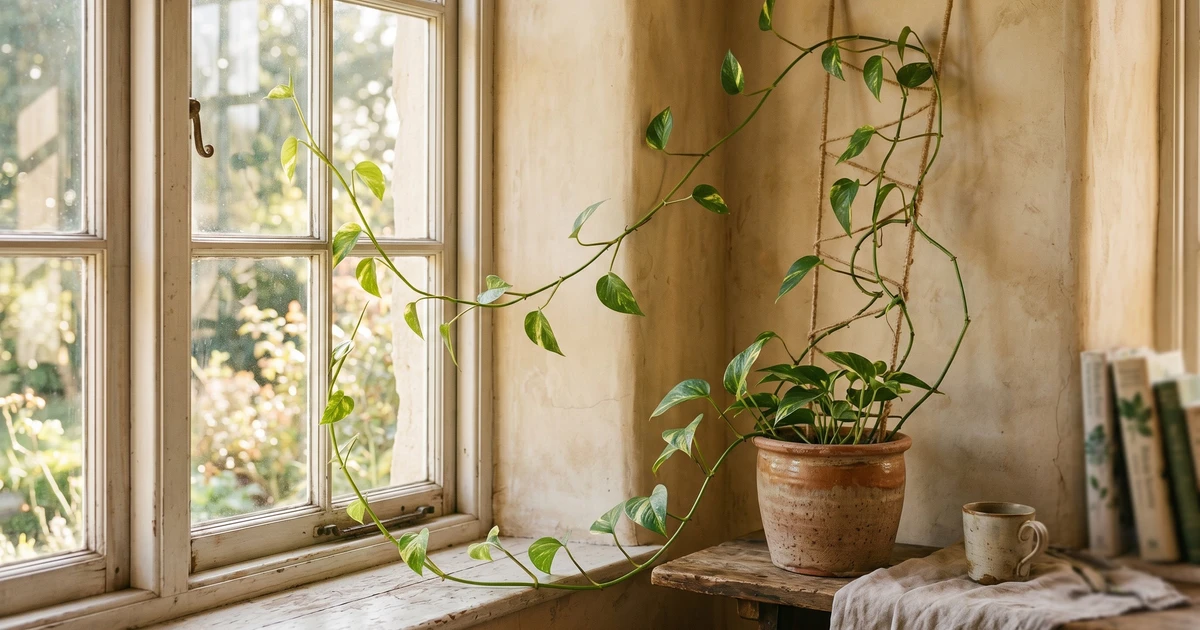
pot selection on Snake Plant
Quick answer
If your Snake Plant has pot selection, the most likely cause is: Snake plants are slow-growing plants that naturally thrive in nutrient-poor conditions. Clay pots (especially terracotta) wick excess moisture through porous walls, preventing the anaerobic conditions that plastic containers create. Repotting should be conservative—Sansevieria prefer being slightly rootbound.
Start here:
- 1. Pot material: Unglazed terracotta provides moisture wicking and breathability—ideal for snake plants
- 2. Repot timing: Spring is optimal when plants enter active growth; avoid winter repotting
Why Snake Plant gets pot selection
Dracaena trifasciata
Snake plants are slow-growing plants that naturally thrive in nutrient-poor conditions. Clay pots (especially terracotta) wick excess moisture through porous walls, preventing the anaerobic conditions that plastic containers create. Repotting should be conservative—Sansevieria prefer being slightly rootbound.
How to reverse pot selection on Snake Plant
- 1
Pot material: Unglazed terracotta provides moisture wicking and breathability—ideal for snake plants
- 2
Repot timing: Spring is optimal when plants enter active growth; avoid winter repotting
- 3
Pot size: Match container to root ball—oversized pots retain excess moisture causing rot
- 4
Pre-moistening: Lightly moisten new potting mix before planting—never use bone-dry soil
- 5
Aftercare: Wait 7-10 days before first watering to allow damaged roots to callus and heal
Keep pot selection off this Snake Plant
Choose unglazed terracotta or clay pots over plastic. Select containers only 1-2 inches larger than current root ball. Repot only every 2-3 years or when roots emerge from drainage holes.
Other Snake Plant problems
Go Deeper
This is covered in-depth in the snake plant Mastery Pack — structured modules with video walkthroughs, advanced protocols, and rescue timelines.
Get the Mastery Pack — $37 →