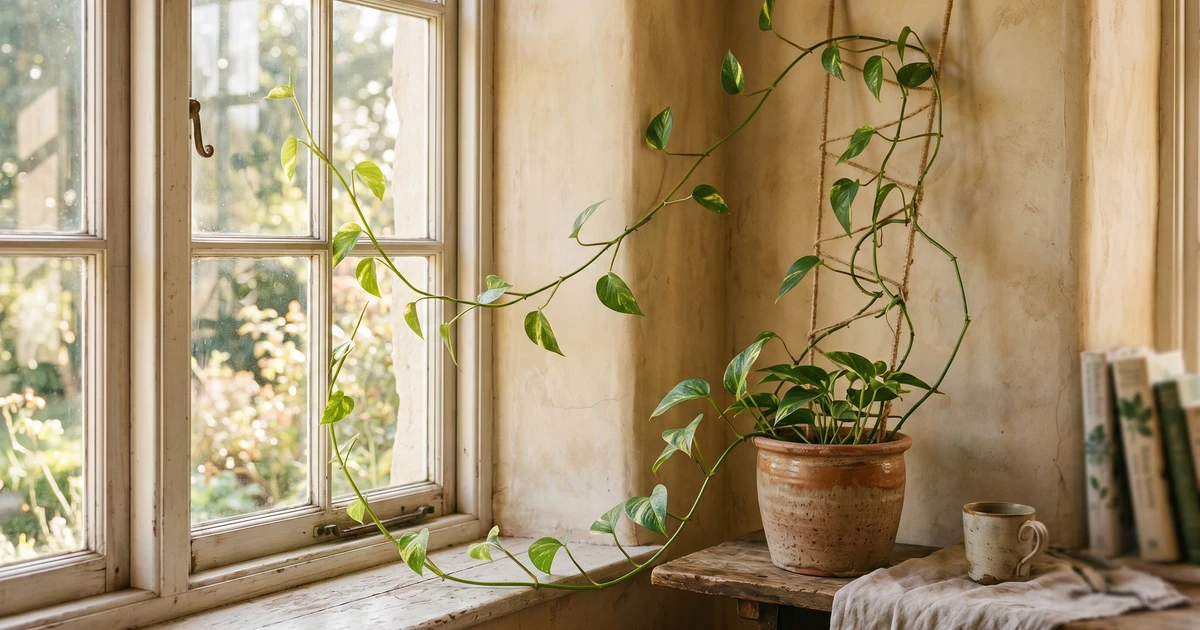
Spider Plant root rot soil requirements
Quick answer
For Spider Plant, root rot soil requirements come down to this: Standard potting soil retains too much moisture for spider plant's drought-adapted tuberous roots. Fine peat particles compact over 2-3 months, creating anaerobic zones even with careful watering. Spider plants require rapid drainage and air pockets to maintain root oxygen levels above the 2mg/L threshold required for healthy metabolic function.
Start here:
- 1. Base mix: 50% high-quality potting soil (provides organic matter and nutrients)
- 2. Drainage amendment: 30% perlite or pumice (creates air pockets, improves drainage—rinse perlite 3-5 times to remove fluoride)
What root rot soil requirements mean for Spider Plant
Chlorophytum comosum
Standard potting soil retains too much moisture for spider plant's drought-adapted tuberous roots. Fine peat particles compact over 2-3 months, creating anaerobic zones even with careful watering. Spider plants require rapid drainage and air pockets to maintain root oxygen levels above the 2mg/L threshold required for healthy metabolic function.
How to meet Spider Plant root rot soil requirements
- 1
Base mix: 50% high-quality potting soil (provides organic matter and nutrients)
- 2
Drainage amendment: 30% perlite or pumice (creates air pockets, improves drainage—rinse perlite 3-5 times to remove fluoride)
- 3
Structural component: 20% orchid bark or coarse sand (maintains soil structure, prevents compaction)
- 4
Optional aeration: Add 10% activated charcoal to absorb excess moisture and prevent bacterial growth
- 5
Test drainage: Water should exit drainage holes within 30 seconds; if slower, increase perlite ratio
- 6
Pot sizing: Use containers only 1-2 inches larger than root ball to prevent excess moisture retention
Keeping Spider Plant in range
Refresh soil mix every 12-18 months as organic components break down. Use unglazed terracotta pots which wick moisture through porous walls. Avoid oversized pots that retain water in unused soil volume.