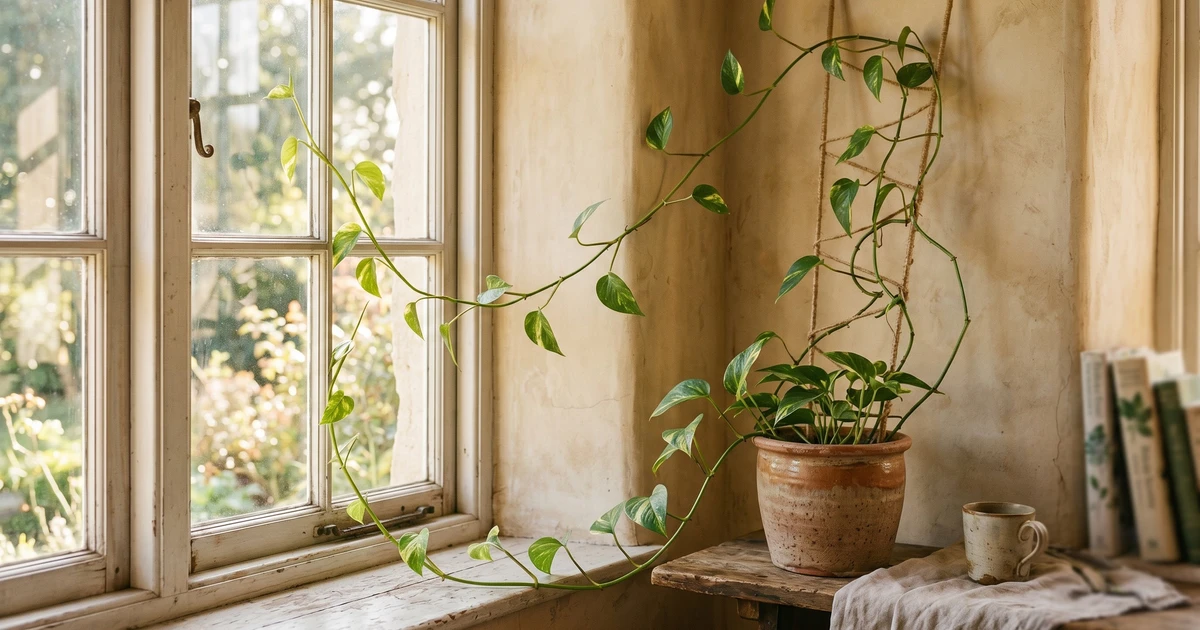
overwatering and Syngonium Neon Robusta
Quick answer
If overwatering is what's going on with your Syngonium Neon Robusta, the most likely cause is: The Syngonium podophyllum entry in The Indoor Plant Bible warns that drying out or overwatering will cause the leaves to yellow; chronically waterlogged soil suffocates the fibrous aroid roots, triggering yellowing foliage, brown leaf tips and margins, leaf drop, wilting, soggy soil, fungal disease, and ultimately stem, crown, or root rot.
Start here:
- 1. Check soil moisture with the finger test before watering - stick a finger into the soil up to the first finger joint and only water when the surface has dried out - and use a moisture meter for accuracy in deeper pots.
- 2. Water deeply until excess flows from the bottom of the pot, allow the plant to drain, and remove any standing water from the cachepot or saucer within a half-hour so the rootball never sits in standing water.
Why overwatering happens to Syngonium Neon Robusta
syngonium neon robusta
The Syngonium podophyllum entry in The Indoor Plant Bible warns that drying out or overwatering will cause the leaves to yellow; chronically waterlogged soil suffocates the fibrous aroid roots, triggering yellowing foliage, brown leaf tips and margins, leaf drop, wilting, soggy soil, fungal disease, and ultimately stem, crown, or root rot.
How to correct overwatering on Syngonium Neon Robusta
- 1
Check soil moisture with the finger test before watering - stick a finger into the soil up to the first finger joint and only water when the surface has dried out - and use a moisture meter for accuracy in deeper pots.
- 2
Water deeply until excess flows from the bottom of the pot, allow the plant to drain, and remove any standing water from the cachepot or saucer within a half-hour so the rootball never sits in standing water.
Keep overwatering from repeating on this Syngonium Neon Robusta
Water Syngonium neon robusta only when the soil surface dries rather than on a fixed schedule, keep humidity around 40-70%, maintain temperatures in the 60-75°F (16-24°C) range favored by the species, and fertilize semi-monthly until the plant reaches desired size, then quarterly thereafter.