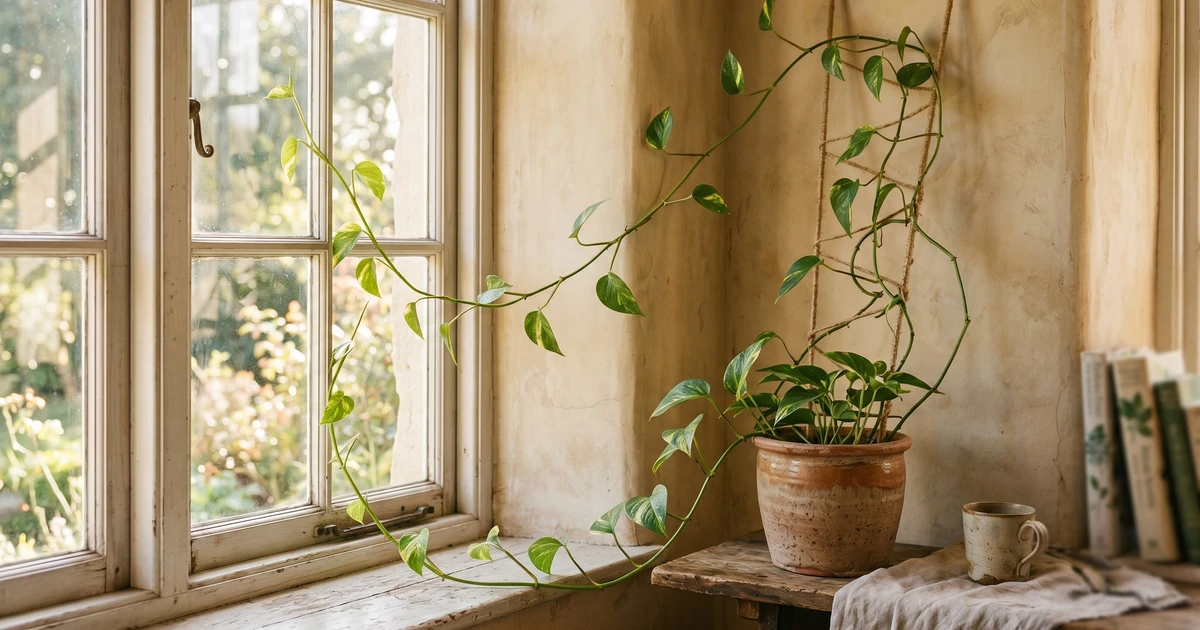
closed terrarium setup on Terrarium
Quick answer
If your Terrarium has closed terrarium setup, the most likely cause is: Closed terrariums (completely sealed with lids) create self-sustaining humid environments through the water cycle: soil moisture evaporates during daytime warmth, condenses on glass walls, and drips back down in evenings — maintaining 80-100% relative humidity without manual intervention for weeks to months. This makes them ideal for moisture-loving plants like mosses, ferns, and tropical houseplants.
Start here:
- 1. 1. Select container with tight-fitting lid (glass jar, flask, beaker, or acrylic case) — must form complete seal
- 2. 2. Layer bottom with 1-2 inches of zeolite or fine gravel for drainage base
Why Terrarium gets closed terrarium setup
Closed terrariums (completely sealed with lids) create self-sustaining humid environments through the water cycle: soil moisture evaporates during daytime warmth, condenses on glass walls, and drips back down in evenings — maintaining 80-100% relative humidity without manual intervention for weeks to months. This makes them ideal for moisture-loving plants like mosses, ferns, and tropical houseplants.
How to reverse closed terrarium setup on Terrarium
- 1
1. Select container with tight-fitting lid (glass jar, flask, beaker, or acrylic case) — must form complete seal
- 2
2. Layer bottom with 1-2 inches of zeolite or fine gravel for drainage base
- 3
3. Add bark chips pushed to container sides, then aqua soil or peat-based mix to center
- 4
4. Plant moisture-loving species: Selaginella, Leucobryum (mountain moss), Fissidens, Racomitrium, and/or small ferns
- 5
5. Mist generously after planting until soil is thoroughly moistened and water runs to bottom
- 6
6. Seal container with lid or wax paper tied with twine — create tight barrier
- 7
7. Place in location with bright indirect light (NOT direct sun); monitor condensation pattern
- 8
8. If heavy sheet-condensation appears, remove lid 1-2 hours daily until proper fogging returns
Keep closed terrarium setup off this Terrarium
Seal container tightly after planting; mist generously on day one so condensation cycle begins immediately; avoid direct sunlight which overheats sealed containers; monitor for excessive condensation indicating overwatering.