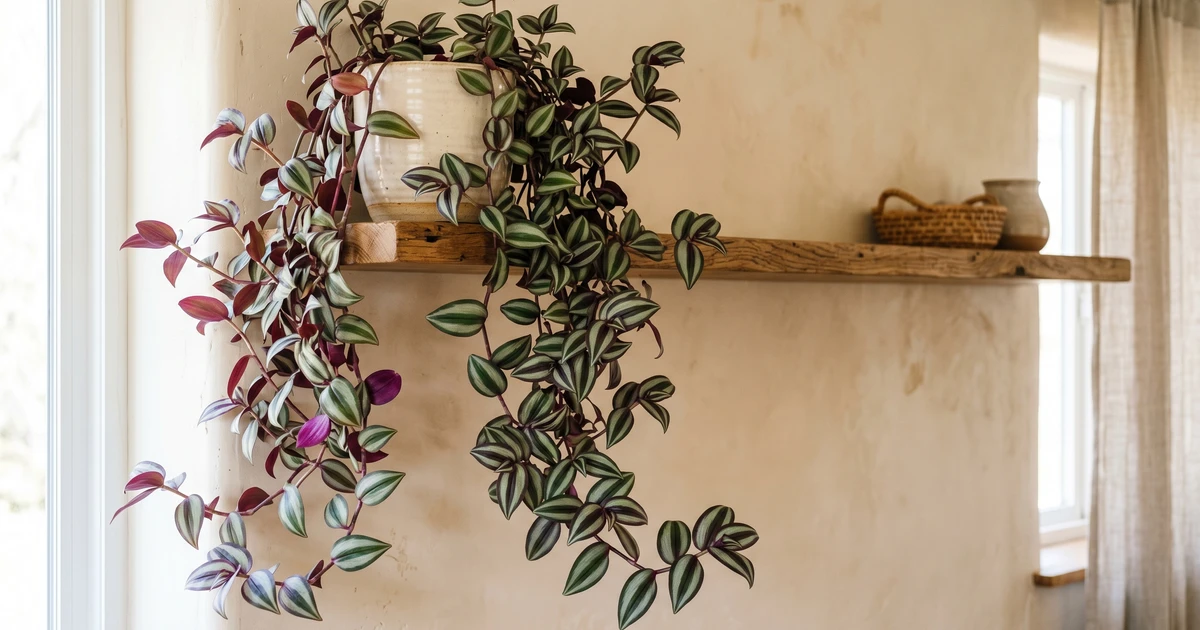
spider mite infestations on Alocasia Polly
Quick answer
If your Alocasia Polly has spider mite infestations, the most likely cause is: Alocasia Polly is a spider mite (Tetranychus urticae) magnet due to large, thin leaves that provide ideal feeding surfaces and shelter on undersides. Mites thrive in dry conditions below 50% humidity, reproducing rapidly on stressed plants. The combination of low indoor humidity, insufficient air circulation, and plant stress from environmental changes creates optimal mite habitat. Early signs include stippling on upper leaf surfaces and fine webbing on undersides.
Start here:
- 1. Inspect weekly using 10x magnification: Check leaf undersides, stem joints, and new growth
- 2. Quarantine immediately upon detection to prevent spread to other plants
Why Alocasia Polly gets spider mite infestations
Alocasia Polly is a spider mite (Tetranychus urticae) magnet due to large, thin leaves that provide ideal feeding surfaces and shelter on undersides. Mites thrive in dry conditions below 50% humidity, reproducing rapidly on stressed plants. The combination of low indoor humidity, insufficient air circulation, and plant stress from environmental changes creates optimal mite habitat. Early signs include stippling on upper leaf surfaces and fine webbing on undersides.
How to reverse spider mite infestations on Alocasia Polly
- 1
Inspect weekly using 10x magnification: Check leaf undersides, stem joints, and new growth
- 2
Quarantine immediately upon detection to prevent spread to other plants
- 3
Treat with 1/3 rubbing alcohol + 2/3 water + dash of dish soap; spray thoroughly and wipe with cloth/brush
- 4
Increase humidity to 60-70% via humidifier to disrupt mite lifecycle and reproduction
- 5
Repeat treatment every 5-7 days for 3 cycles to catch eggs and hatchlings
- 6
For severe infestations: Trim heavily affected leaves and use insecticidal soap or neem oil
Keep spider mite infestations off this Alocasia Polly
Maintain 60-80% humidity year-round with consistent humidifier use. Quarantine new plants for 2 weeks. Provide gentle air circulation with fans. Group plants to create humid microclimates. Inspect weekly, especially during winter heating season.