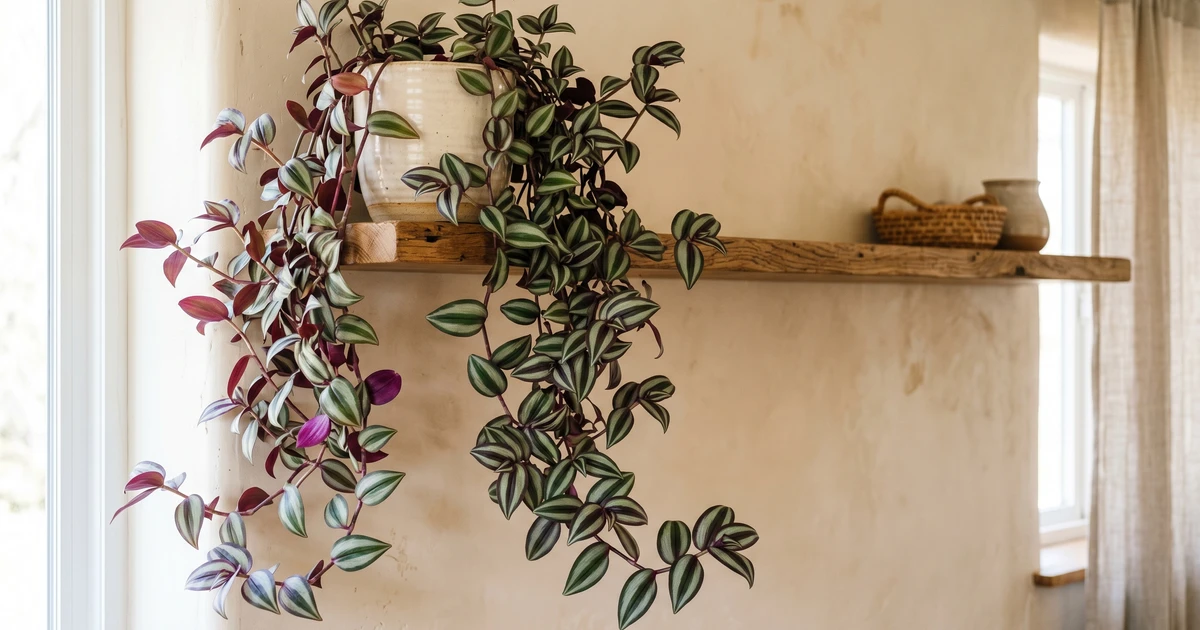
leaf browning on Aloe Vera
Quick answer
If your Aloe Vera has leaf browning, the most likely cause is: Aloe vera leaf browning occurs through three mechanisms. NATURAL SENESCENCE: Oldest outer leaves turn brown and dry over 2-4 months as plant redirects nutrients to new growth—this is healthy and expected. OVERWATERING STRESS: Lower leaves turn brown and mushy at base within days due to root rot preventing water uptake. SUN/WATER STRESS: Leaf tips turn brown and crispy when underwatered in high light, as leaf tissue desiccates faster than roots can replenish. Key differentiator: senescence affects single oldest leaf; stress affects multiple leaves simultaneously.
Start here:
- 1. Count affected leaves: single oldest leaf = natural senescence; multiple leaves = stress
- 2. Check soil moisture: wet/mushy leaf bases = overwatering; dry/crispy tips = underwatering
Why Aloe Vera gets leaf browning
Aloe vera
Aloe vera leaf browning occurs through three mechanisms. NATURAL SENESCENCE: Oldest outer leaves turn brown and dry over 2-4 months as plant redirects nutrients to new growth—this is healthy and expected. OVERWATERING STRESS: Lower leaves turn brown and mushy at base within days due to root rot preventing water uptake. SUN/WATER STRESS: Leaf tips turn brown and crispy when underwatered in high light, as leaf tissue desiccates faster than roots can replenish. Key differentiator: senescence affects single oldest leaf; stress affects multiple leaves simultaneously.
How to reverse leaf browning on Aloe Vera
- 1
Count affected leaves: single oldest leaf = natural senescence; multiple leaves = stress
- 2
Check soil moisture: wet/mushy leaf bases = overwatering; dry/crispy tips = underwatering
- 3
For natural senescence: Allow leaf to fully brown, then gently pull away at base or snip flush with stem
- 4
For overwatering: Stop all watering; unpot to inspect roots; trim rotted roots; repot in dry well-draining mix
- 5
For underwatering: Soak soil thoroughly until water exits drainage; resume watering when top 2-3 inches dry
- 6
Monitor new growth: healthy emerging leaves confirm recovery; continued browning indicates unresolved issue
Keep leaf browning off this Aloe Vera
Water using 'soak and dry' method: drench soil completely, then allow top 2-3 inches to dry fully before next watering (typically 2-3 weeks indoors). Maintain consistent bright indirect light. Use well-draining succulent mix (50%+ inorganic material). Avoid watering on fixed calendar schedule.