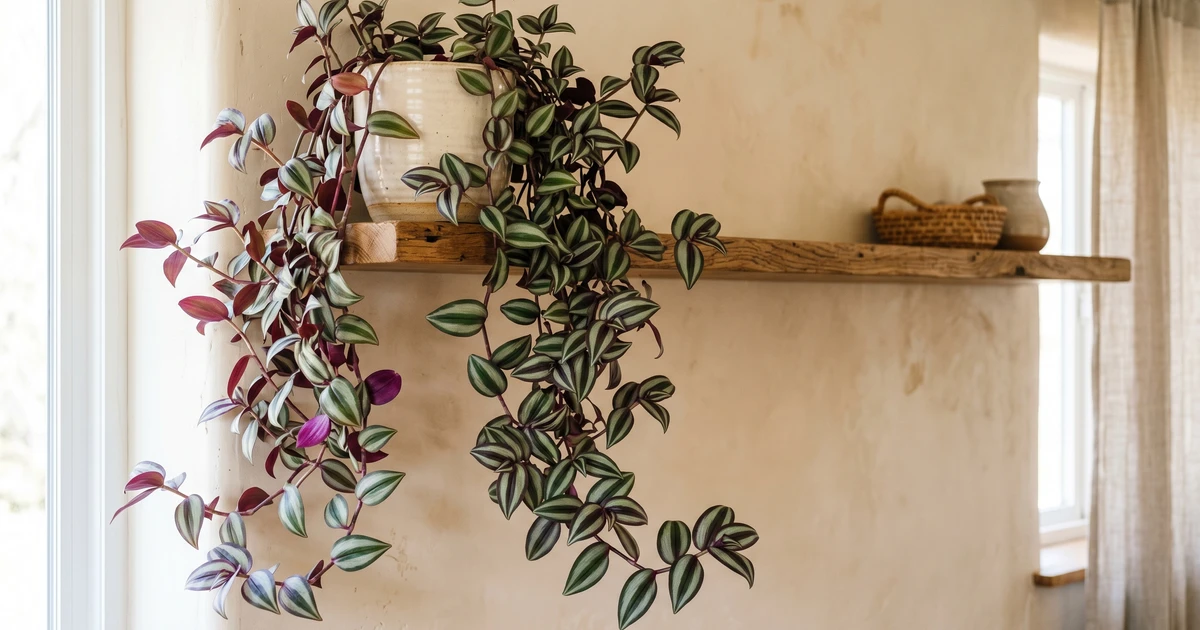
winter dormancy on Aloe
Quick answer
If your Aloe has winter dormancy, the most likely cause is: Aloe vera enters winter dormancy when indoor temperatures drop below 65°F (18°C) and daylight hours fall below 10-12 hours, triggering metabolic slowdown. During dormancy, the plant's CAM photosynthesis operates at minimal levels, transpiration nearly ceases, and root water uptake drops by 60-80%. This reduced demand means soil stays wet much longer — the critical danger point where overwatering causes root rot in otherwise healthy Aloe.
Start here:
- 1. Reduce watering frequency from every 2 weeks to every 3-4 weeks when indoor temperatures drop below 65°F or daylight hours are under 10-12 hours.
- 2. In unheated rooms or spaces below 60°F, withhold water entirely until the soil has been dry for 6+ weeks — Aloe can tolerate this duration during true dormancy.
Why Aloe gets winter dormancy
Aloe vera enters winter dormancy when indoor temperatures drop below 65°F (18°C) and daylight hours fall below 10-12 hours, triggering metabolic slowdown. During dormancy, the plant's CAM photosynthesis operates at minimal levels, transpiration nearly ceases, and root water uptake drops by 60-80%. This reduced demand means soil stays wet much longer — the critical danger point where overwatering causes root rot in otherwise healthy Aloe.
How to reverse winter dormancy on Aloe
- 1
Reduce watering frequency from every 2 weeks to every 3-4 weeks when indoor temperatures drop below 65°F or daylight hours are under 10-12 hours.
- 2
In unheated rooms or spaces below 60°F, withhold water entirely until the soil has been dry for 6+ weeks — Aloe can tolerate this duration during true dormancy.
- 3
Use a moisture meter inserted 3-4 inches deep — if reading shows below 20% moisture for 2+ consecutive weeks in winter, the Aloe is in dormancy and doesn't need water.
- 4
When resuming regular watering in spring, start with a single thorough watering and wait 3 weeks before the next to avoid shocking the dormant root system.
- 5
Maintain Aloes above 50°F (10°C) — below this threshold, cellular damage begins and may not be visible for 3-7 days.
Keep winter dormancy off this Aloe
Reduce Aloe watering to once every 3-4 weeks during November through February when indoor temps are below 65°F and light is limited. Watch for the plant to show subtle new growth in March as the signal to resume normal 2-3 week watering cycle.