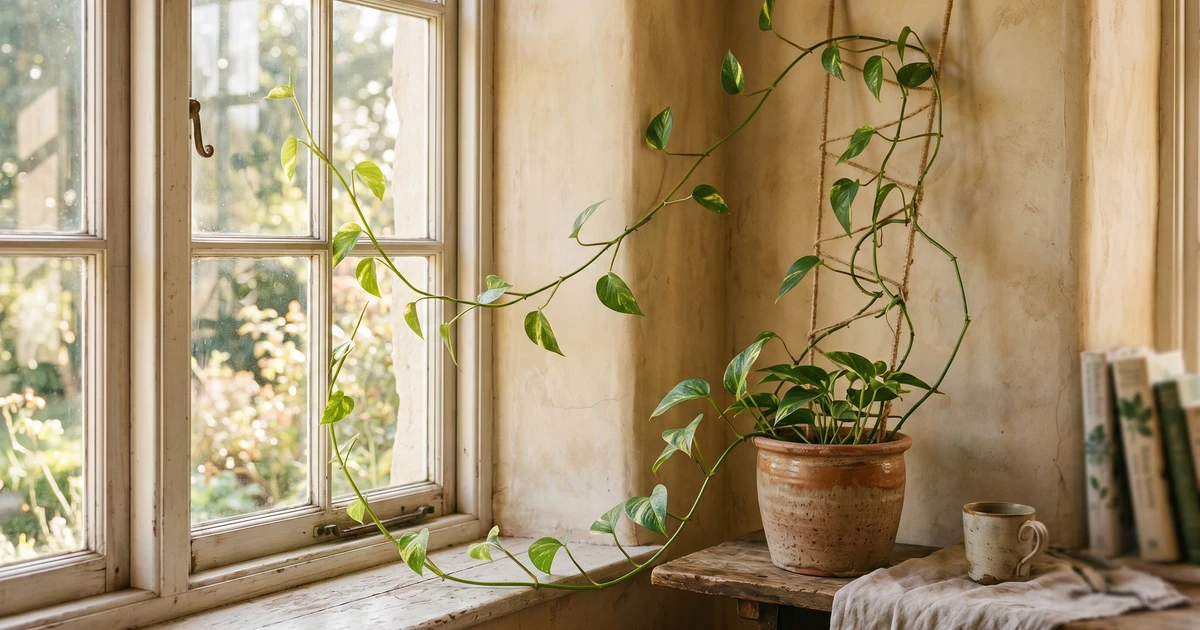
root rot on Anthurium Portillae
Quick answer
If your Anthurium Portillae has root rot, the most likely cause is: Although Anthurium portillae is an epiphyte in the wild, where its roots are exposed to moving air, indoors it is usually potted in a dense jungle mix and kept constantly wet; that combination suffocates the roots, lets water moulds and fungal pathogens take hold, and produces the classic root rot that the genus Anthurium is widely documented as suffering.
Start here:
- 1. Unpot the plant, shake off the soggy mix, and cut away any black, mushy or hollow roots with sterilised scissors, leaving only firm white or pale roots.
- 2. Repot into a coarse, airy epiphyte mix such as a blend of bark, perlite and coco chips in a net or slotted orchid-style pot so the remaining roots get strong air circulation, and water only after the top of the mix has dried.
Why Anthurium Portillae gets root rot
anthurium portillae
Although Anthurium portillae is an epiphyte in the wild, where its roots are exposed to moving air, indoors it is usually potted in a dense jungle mix and kept constantly wet; that combination suffocates the roots, lets water moulds and fungal pathogens take hold, and produces the classic root rot that the genus Anthurium is widely documented as suffering.
How to reverse root rot on Anthurium Portillae
- 1
Unpot the plant, shake off the soggy mix, and cut away any black, mushy or hollow roots with sterilised scissors, leaving only firm white or pale roots.
- 2
Repot into a coarse, airy epiphyte mix such as a blend of bark, perlite and coco chips in a net or slotted orchid-style pot so the remaining roots get strong air circulation, and water only after the top of the mix has dried.
Keep root rot off this Anthurium Portillae
Grow Anthurium portillae in a very free-draining epiphytic mix in a net or slotted pot, water only when the mix is approaching dry, and keep the plant in warm conditions with bright indirect light so the roots never sit cold and wet.