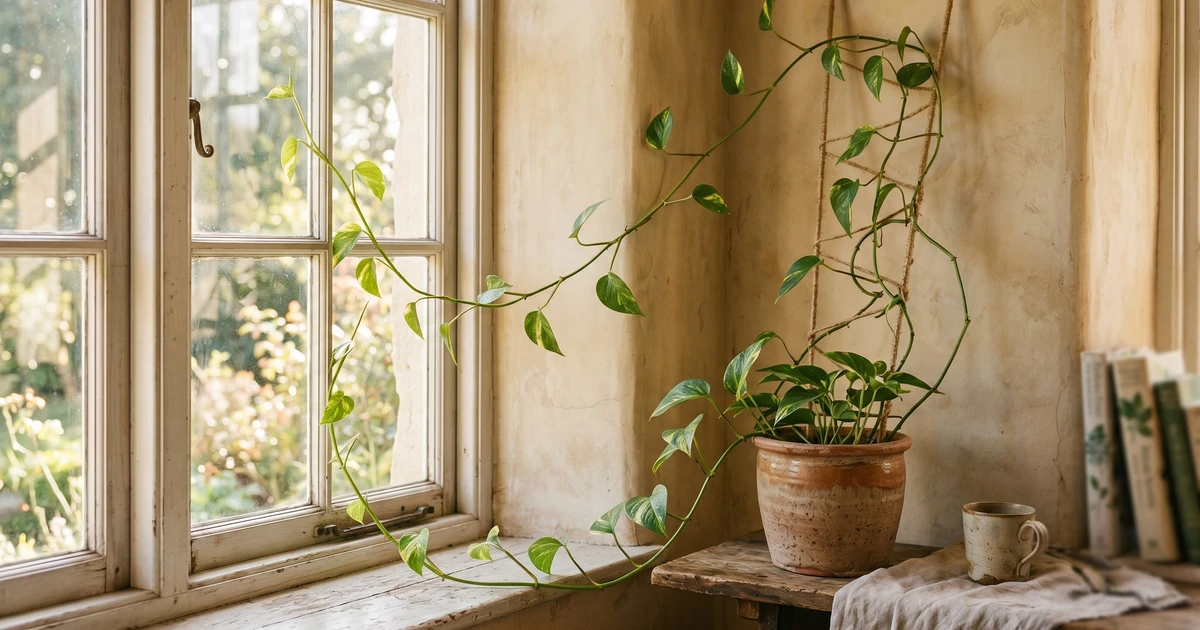
pale leaves on Anthurium
Quick answer
If your Anthurium has pale leaves, the most likely cause is: Anthurium pale leaves result from chlorophyll degradation due to insufficient light for photosynthesis (etiolation), nitrogen deficiency causing chlorosis, or excessive light causing photobleaching. The distinction: etiolation appears as yellowing with elongated petioles and small leaves reaching toward light; nitrogen deficiency causes uniform pale green-yellow older leaves while new leaves remain green; photobleaching creates white/bleached patches on leaf surfaces exposed to direct sun.
Start here:
- 1. Diagnose cause by observing pattern: pale new growth + elongated petioles = insufficient light (etiolation)
- 2. Check for uniform pale older leaves with green new growth = nitrogen deficiency
Why Anthurium gets pale leaves
Anthurium spp.
Anthurium pale leaves result from chlorophyll degradation due to insufficient light for photosynthesis (etiolation), nitrogen deficiency causing chlorosis, or excessive light causing photobleaching. The distinction: etiolation appears as yellowing with elongated petioles and small leaves reaching toward light; nitrogen deficiency causes uniform pale green-yellow older leaves while new leaves remain green; photobleaching creates white/bleached patches on leaf surfaces exposed to direct sun.
How to reverse pale leaves on Anthurium
- 1
Diagnose cause by observing pattern: pale new growth + elongated petioles = insufficient light (etiolation)
- 2
Check for uniform pale older leaves with green new growth = nitrogen deficiency
- 3
White/bleached patches on sun-facing side = photobleaching from too much direct light
- 4
For etiolation: move to brighter location with more consistent indirect light; rotate weekly
- 5
For nitrogen deficiency: apply balanced liquid fertilizer at 1/4 strength; repeat in 2 weeks
- 6
For photobleaching: filter intense light with sheer curtains; move 2-4 feet back from window
- 7
New healthy growth emerging within 4-6 weeks confirms diagnosis was correct
Keep pale leaves off this Anthurium
Provide 1500-2500 foot-candles bright indirect light; fertilize monthly during growing season with balanced 20-20-20 at 1/4 strength; avoid direct afternoon sun; use north or east-facing windows; supplement with full-spectrum grow lights on 12-hour cycles in winter.